Ricon Tools Ricon Tools

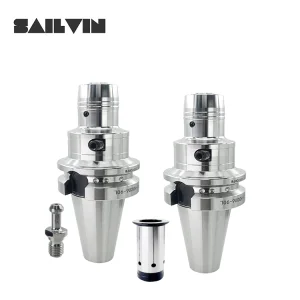
China Top Taper Shank Tool Holders Factory & Exporters

High-Precision Tooling Systems, Next-Gen CNC Machining Solutions, and OEM/ODM Global Export Leadership by Shandong Ricon Tools.

1. Executive Summary & The Evolution of Taper Shank Tool Holders

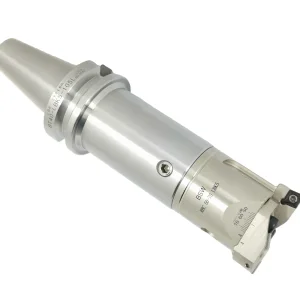
In modern manufacturing, tool holding systems represent the critical bridge between the high-torque, ultra-high-speed machine spindle and the cutting tool itself. Historically, the transition from manual, low-speed milling systems to high-speed, automated CNC centers has driven the transformation of tool holder technology. The traditional Morse Taper gave way to steep tapers (such as 7/24 CAT, BT, and DIN 69871 standards) and ultimately to the dual-contact face-and-taper interfaces (such as HSK and modified BT designs).

At high rotational velocities, centrifugal forces cause the spindle to expand, which pulls standard taper shanks deeper into the housing. This shift alters the Z-axis height and degrades mechanical stability. The adoption of advanced taper interfaces directly addresses this thermal and structural deflection. Standardizing on precision taper shank configurations ensures micro-meter accuracy, uniform clamping forces, and the dynamic balance (often rated up to G2.5 at 25,000 RPM) necessary to support modern sub-micron and high-feed machining operations.

Key Parameter Focus: Total Indicated Runout (T.I.R.) should ideally remain under 0.003 mm at 3x Diameter (3D) to maximize carbide tool life and prevent premature chipping caused by structural vibration during heavy cutting cycles.

2. Comprehensive Industrial Solutions & Application Scenarios

Modern CNC tooling systems must survive diverse operating environments. Heavy roughing cuts require extreme torque transmission, while fine finishing operations mandate exceptional stability and vibration damping.

  • Aerospace Component Machining: Machining titanium alloys, nickel-based superalloys, and carbon fiber composites demands robust rigidity. Heavy-duty hydraulic tool holders and shrink-fit systems are typically deployed to mitigate harmonics and achieve high metal removal rates.
  • Automotive High-Volume Production: Fast cycle times demand reliable, predictable performance. Tool changers run continuously, which necessitates highly wear-resistant interfaces to preserve spindle integrity over millions of loading cycles.
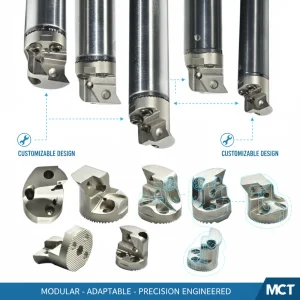
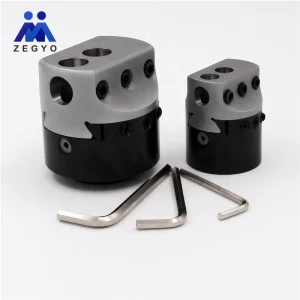
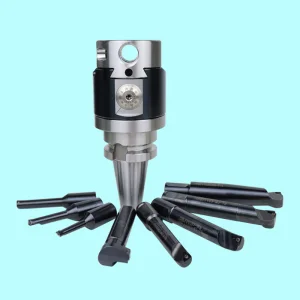
  • Mold & Die Manufacturing: Deep cavities require extended reach tool configurations. Damped boring bars (such as the NiceCutt Anti-Vibration system) combined with precision boring heads allow machining of high-aspect-ratio holes while maintaining geometric tolerances.
  • Medical and Micro-machining: Small dental implants and micro-surgical components rely on small-scale taper shanks (like ISO 10, ISO 20, or HSK-E25). These systems operate at high spindle speeds to deliver the necessary cutting velocity for sub-millimeter tools.

3. Global Procurement Challenges & Mitigation Strategies

Procurement teams are tasked with balancing initial acquisition costs against tool longevity and operational safety. A low-cost tool holder that degrades quickly can rapidly erode profit margins.

Key challenges in global supply chains include:

  • Taper Material Chemistry and Heat Treatment: Tool holders must feature a hard outer skin (typically 58-62 HRC) to resist wear, while retaining a tough, shock-absorbing core (35-40 HRC) to survive heavy impact forces. Standardizing on alloys like 20CrMnTi is a proven method for balancing these requirements.
  • Concentricity and Geometrical Tolerances: Precision taper grinding demands advanced machinery. Out-of-roundness or incorrect taper angles lead to uneven contact patterns inside the spindle, accelerating spindle wear and leading to expensive repairs.
  • Supply Chain Transparency and Standards Compliance: Procurement leads must verify that suppliers conform to recognized standards such as ISO, DIN, MAS, or ANSI. Traceability of raw materials via mill test certificates is a critical metric for quality assurance.

4. Technical Roadmap & Future Trends

The machine tool industry is adapting to support digitized production workflows, automation, and sustainable practices.

Key technological developments include:

  • Smart Tooling (Industry 4.0 Integration): Embedding RFID chips or Bluetooth-enabled sensors directly within tool holder bodies allows for real-time tracking of run-time, temperature, vibration profiles, and fatigue cycles.
  • Advanced Coatings and Materials: Application of specialized coatings (such as Black Oxide or DLC) on non-functional surfaces minimizes corrosion and prevents corrosion-fatigue cracking. Advanced composite structures are also being researched to reduce weight for high-velocity tooling applications.
  • Eco-Friendly Manufacturing: Incorporating minimum quantity lubrication (MQL) channels directly through the spindle and taper shank reduces overall coolant consumption and aligns with carbon reduction mandates.
Quality Certifications

Shandong Ricon Tools operates under strict quality management parameters to ensure international standard compliance.

- ISO 9001:2015 Standards
- 100% Taper Contact Inspection
- Dynamic Balance: G2.5/25krpm
- In-house Metallurgy Labs
Export footprint

Supplying high-precision machine tool components to major global industrial hubs.

North America Germany Italy Australia Southeast Asia South America
Inquiry Support

Request technical documentation, custom product design blueprints, or wholesale export quotes.

Contact Technical Sales
Shandong Ricon Tools Capabilities
Production capacity, raw material benchmarks, and quality metrics that define our factory.
< 0.003mm
Concentricity Accuracy
25,000 RPM
Dynamic Balance Rating (G2.5)
30+ Countries
Global Export Destinations
20CrMnTi
Standard High-Grade Steel Alloy
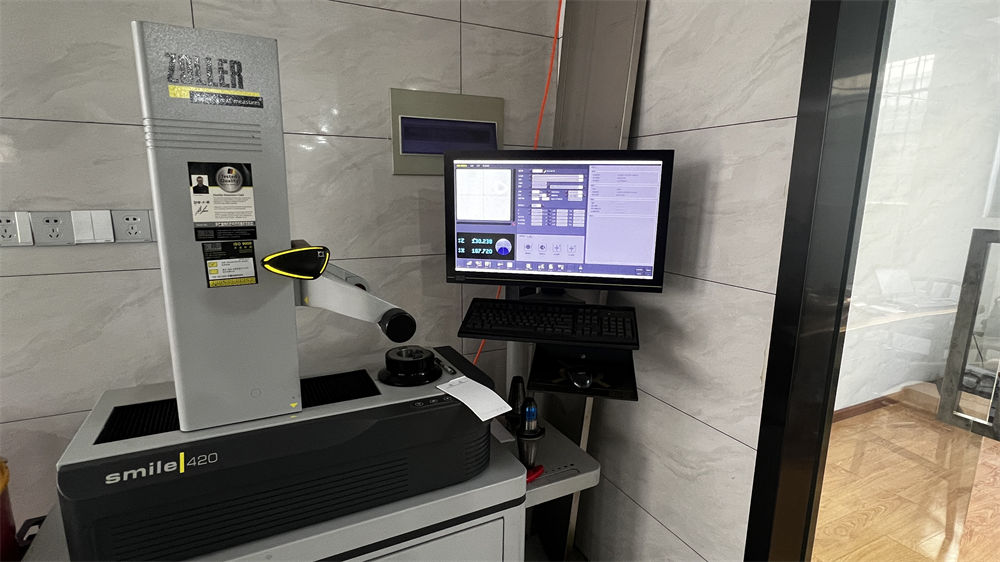
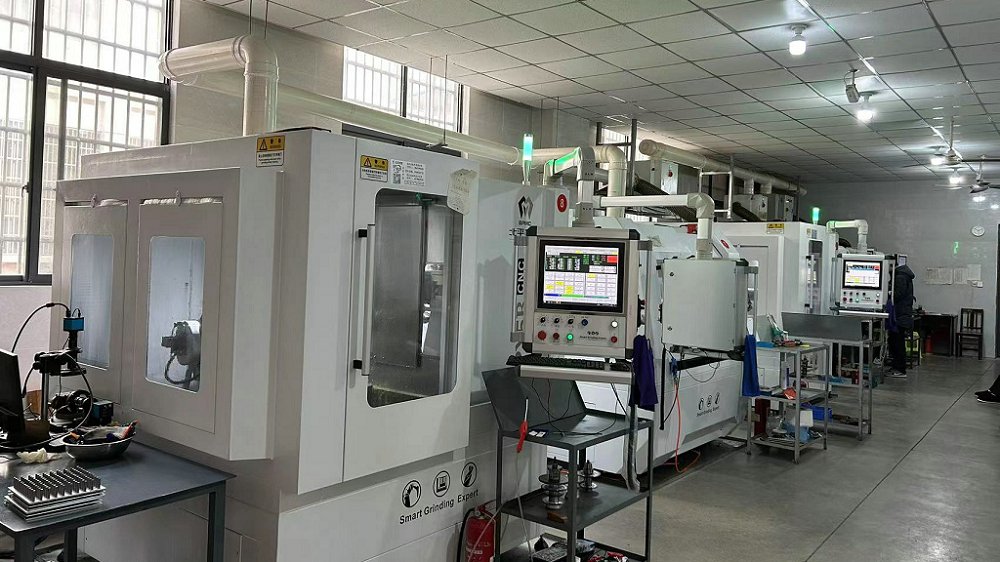
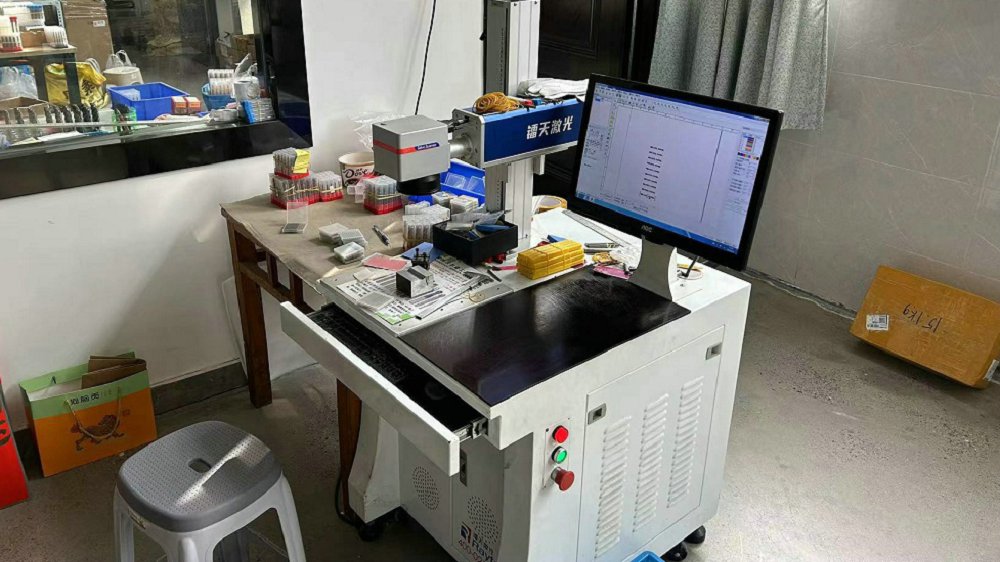
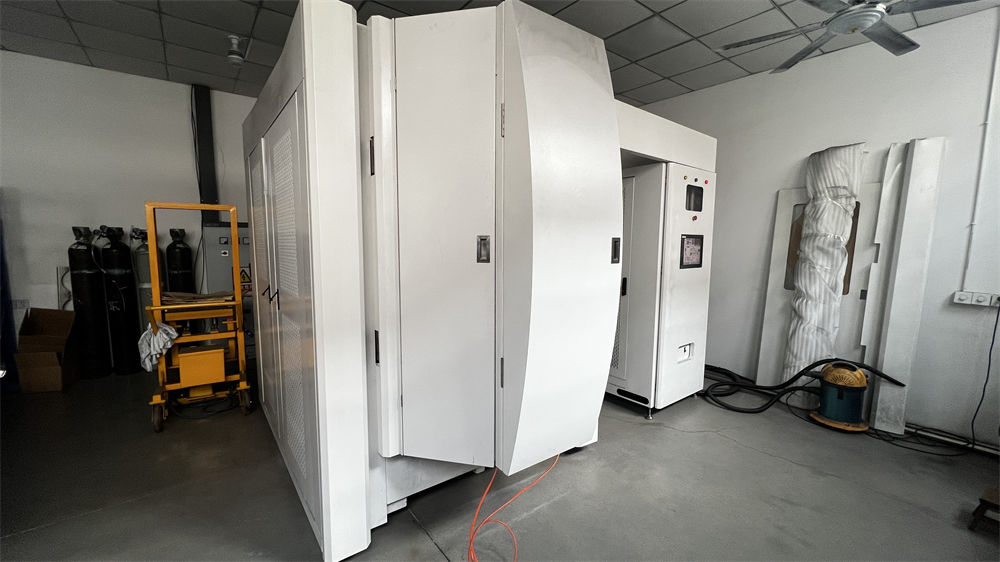
Factory Infrastructure & Quality Assurance
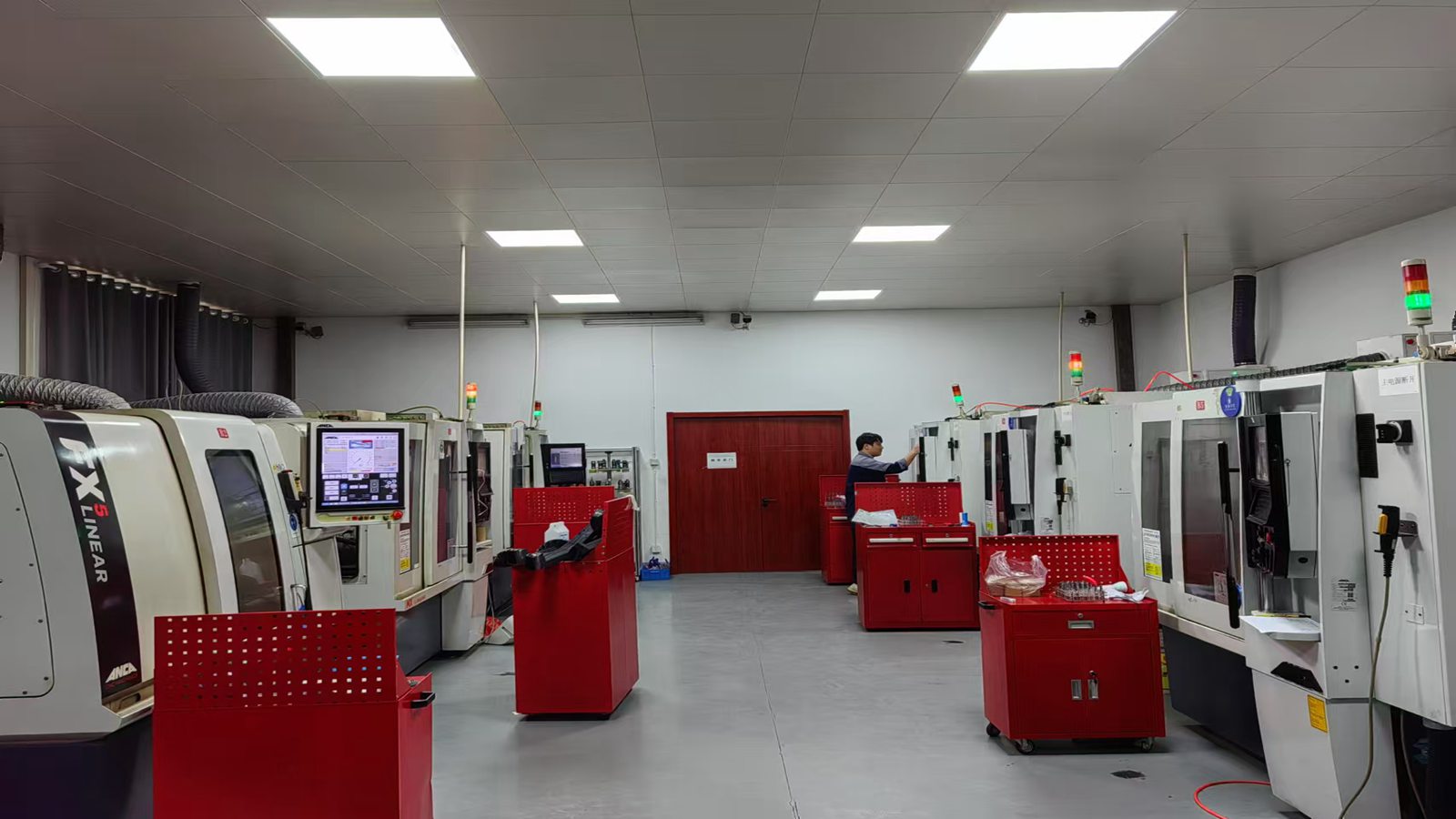
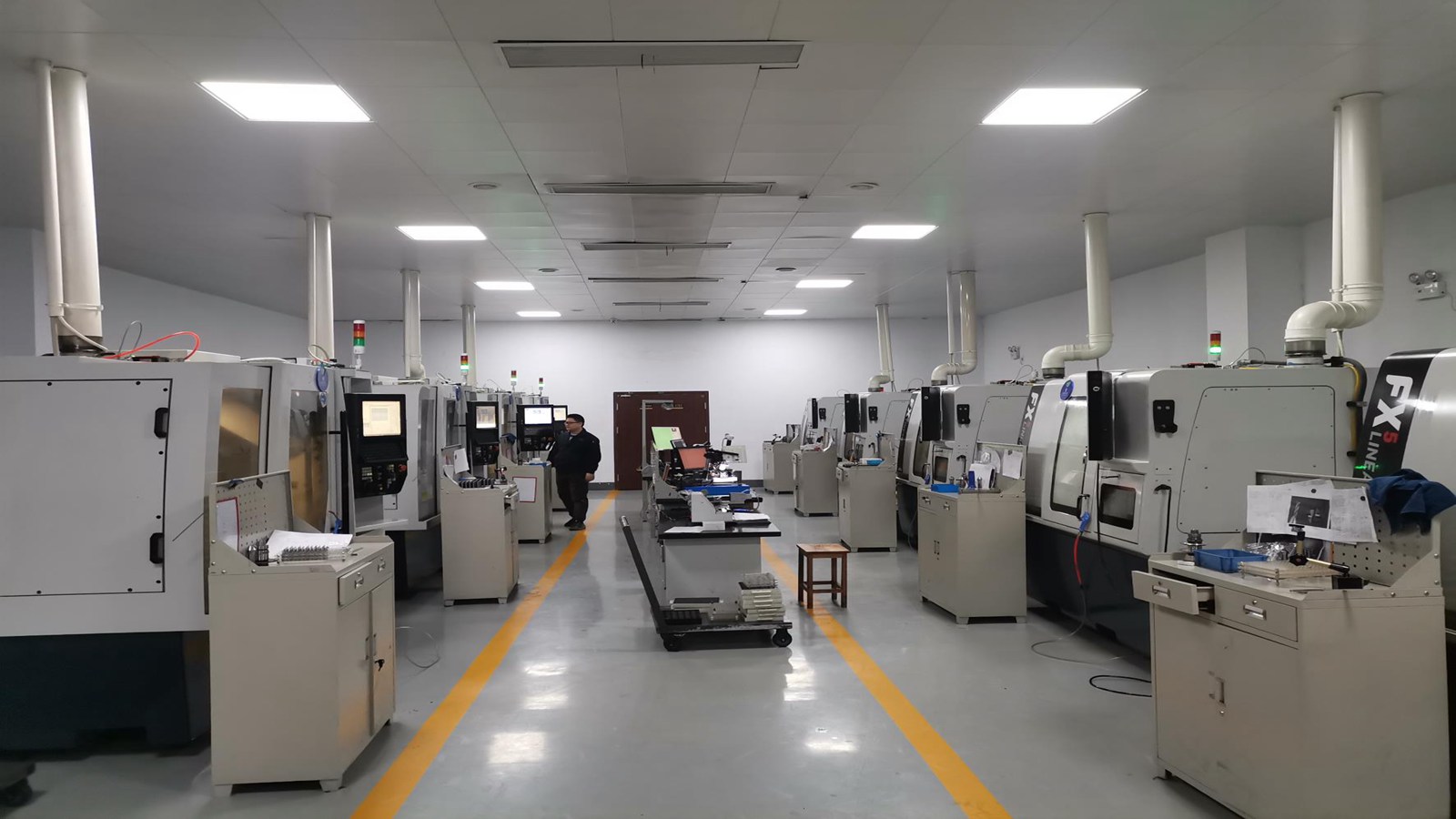
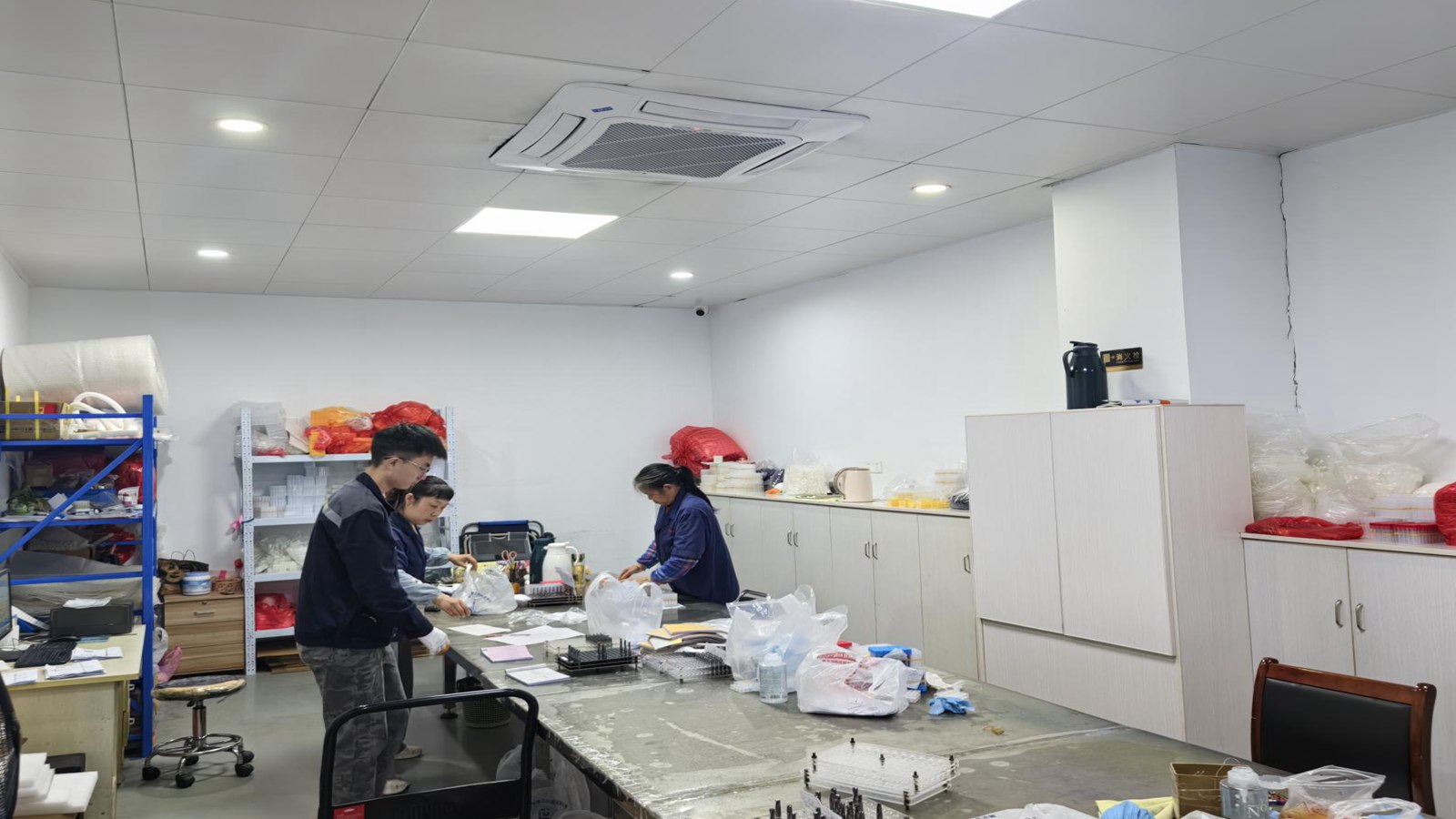
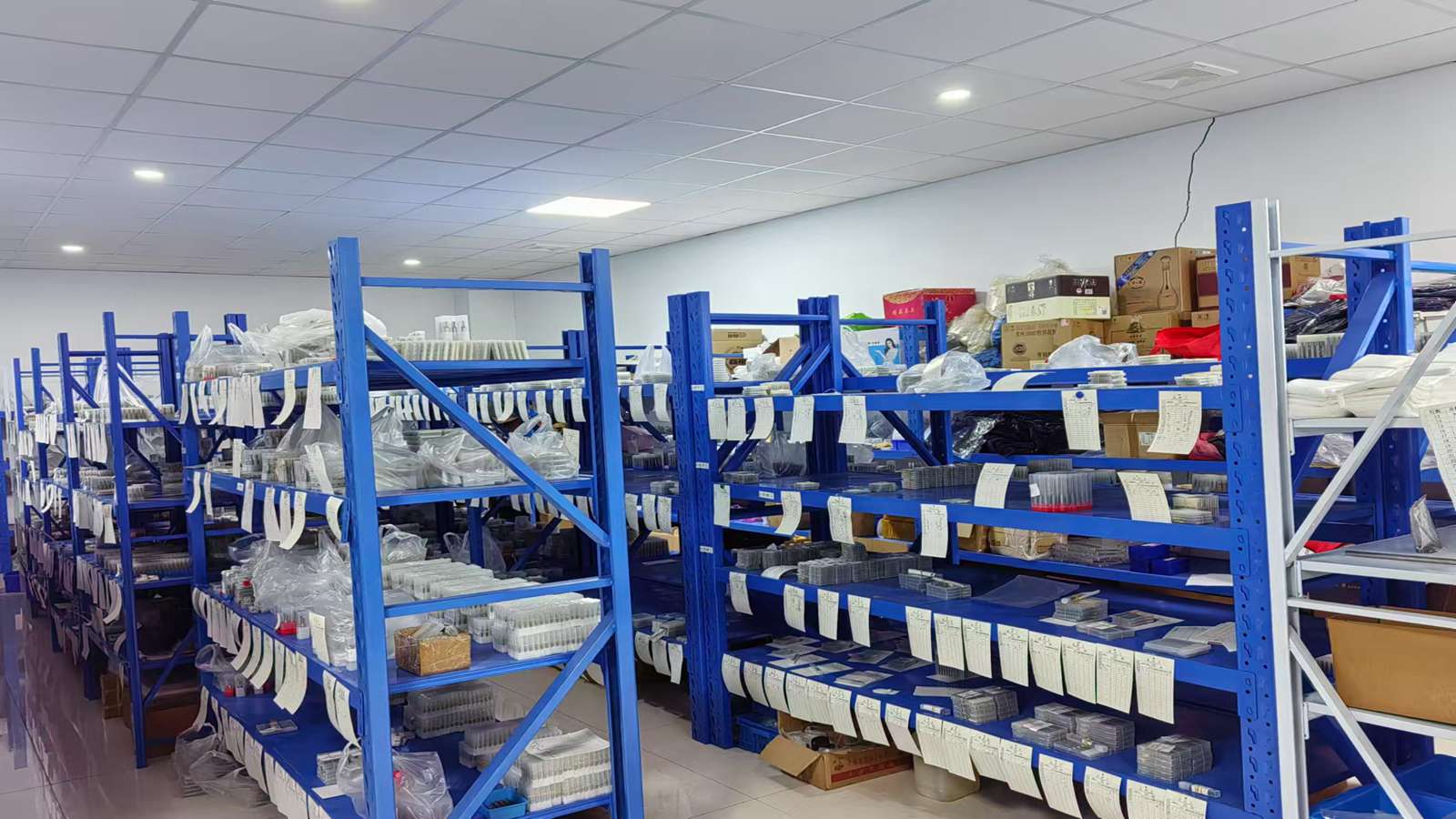
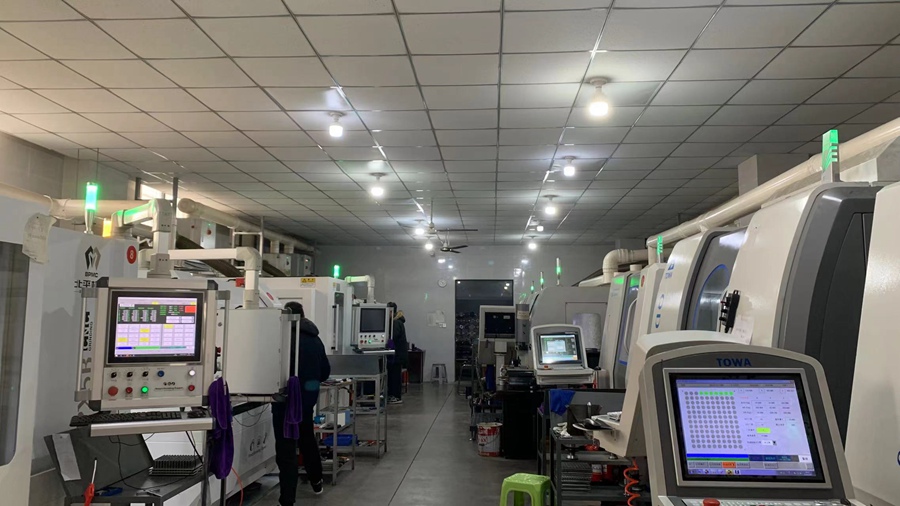
A look inside Shandong Ricon Tools Co., Ltd.'s production floors and inspection laboratories.

Shandong Ricon Tools Co., Ltd. is an established manufacturer specializing in the research, development, production, and sales of high-precision machine tool accessories. Since our inception, we have committed to providing high-quality tooling solutions for both the global metalworking and woodworking industries.

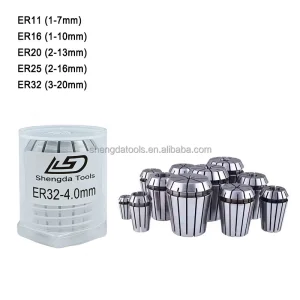
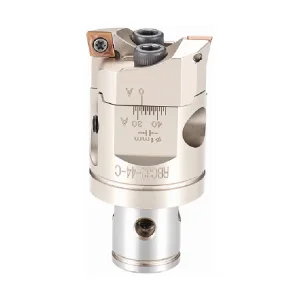
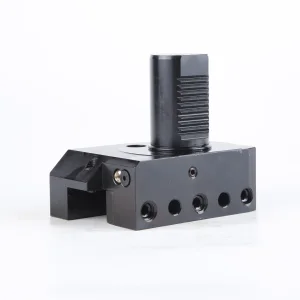
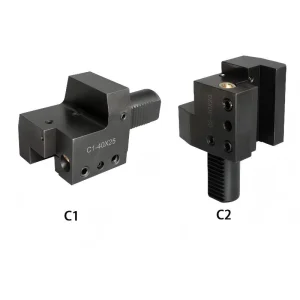
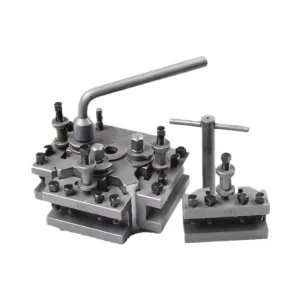
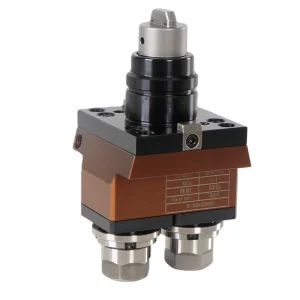
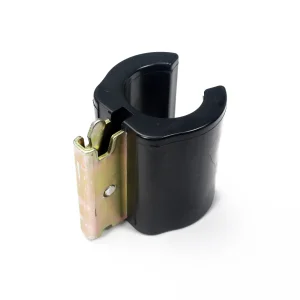
Our product portfolio spans a comprehensive range of accessories, including 4-jaw woodworking chucks, American-style quick-change tool holders, VDI tool holders, boring heads, ER collet chucks, milling chucks, drill chucks, standard tool holders, and CNC tooling accessories. By investing in modern CNC machining centers, precision grinding equipment, and automated inspection instruments, we work to ensure that every tool holder meets demanding manufacturing tolerances.

Localization, Compliance, and Global Distribution
Ensuring trouble-free logistics, regulatory alignment, and technical support across borders.

Navigating international custom regulations requires strict paperwork accuracy. Shandong Ricon Tools ensures that all international orders are shipped with proper tariff classification (HS codes), origin documentation, and material compliance certifications (such as RoHS and REACH).

To prevent rust and degradation during long-distance sea transport, each tool holder undergoes a multi-step preservation process. This includes cleaning with volatile corrosion inhibitors (VCI), wrapping in barrier film, and securing within custom wooden crates. This process helps ensure that tools arrive at your facility clean and ready for immediate installation.

Additionally, we provide localized post-sale technical support, assisting our global distributors and end-users with dynamic balancing setups, spindle taper matching problems, and tool life optimization diagnostics.

Technical FAQ - Taper Shank Tool Holders
Expert answers to common engineering, procurement, and application questions.
Q1: What are the main functional differences between BT, CAT, and HSK tapers? +
BT (JIS B 6339) and CAT (ANSI B5.50) are steep tapers (7/24 ratio). The primary difference lies in the flange configuration, pull stud design, and driver key dimensions, meaning they cannot be used interchangeably without modifying the machine spindle. HSK (DIN 69893) is a 1/10 hollow taper that utilizes simultaneous dual contact on both the taper face and the flange. At high spindle speeds, the hollow HSK shank expands slightly to maintain a tight connection, making it suitable for high-speed machining (HSM).
Q2: How does a hydraulic tool holder improve surface finishes compared to a standard ER collet chuck? +
Hydraulic tool holders feature an internal, pressurized fluid chamber that applies uniform clamping force around the tool shank. This design offers a low runout tolerance (often <0.003 mm at 3D) and helps absorb micro-vibrations during cutting. In contrast, while ER collet chucks are versatile and economical, they rely on mechanical clamping forces that can result in higher runout and less damping capacity during heavy cuts.
Q3: What causes tool holder slippage, and how can it be prevented? +
Slippage is typically caused by oil or debris inside the bore, incorrect pull stud installation torque, or bore wear from repeated use. To prevent it, clean both the tool shank and holder bore before clamping. Additionally, regular inspection of the spindle drawbar force is recommended, as a weak drawbar will fail to seat the tool holder properly under high-axial loads.
Q4: Why is G2.5 dynamic balancing critical for high-speed machining operations? +
Unbalance creates centrifugal forces that increase exponentially with rotational speed. At speeds above 10,000 RPM, even minor imbalances can lead to spindle vibration, poor surface finishes, and rapid bearing wear. A G2.5 rating at 25,000 RPM guarantees that the tool holder's center of gravity aligns closely with its axis of rotation, helping to extend spindle life and protect fine cutting edges.