Ricon Tools
Ricon Tools
Ricon Tools
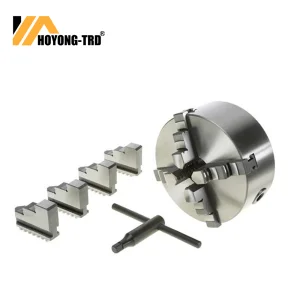
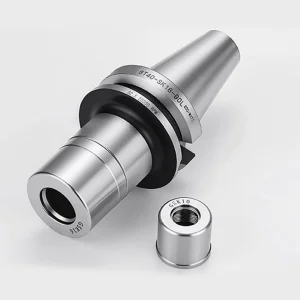
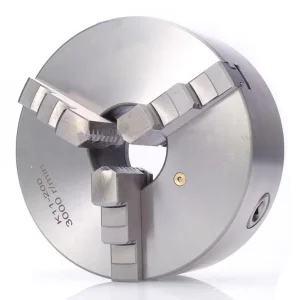
In modern subtractive manufacturing, the interface between the machine tool spindle and the cutting edge is the critical axis of precision. As spindle speeds in high-speed machining (HSM) cross the threshold of 24,000 RPM, the mechanical integrity of tool holders becomes a decisive factor in final surface topography, tool life, and dimension repeatability. High-performance end mill holders—spanning shrink-fit, hydraulic, and precision mechanical clamping interfaces—are engineered to address the twin challenges of centrifugal expansion and high-frequency vibrational resonance.
Key Industrial Mandate: For every 0.01mm of runout error (T.I.R.) measured at the cutting edge, the tool life decreases by approximately 10% to 15%. Managing precision at the micron level is no longer optional; it is a baseline parameter for global aerospace, automotive, and die-mold operators.Global industrial manufacturing is currently undergoing a rapid transformation. With the integration of Industry 4.0 principles, production centers require tooling that ensures absolute repeatability. High-rigidity end mill holders prevent tool pull-out and deflection under heavy radial loads, allowing operators to fully optimize high-feed milling (HFM) parameters and trochoidal tool path strategies.
Shandong Ricon Tools Co., Ltd. stands as a professional manufacturer specializing in the research, development, production, and sales of high-tier machine tool accessories. Since our inception, our core mission has been dedicated to delivering high-precision holding systems, clamping devices, and positioning mechanisms to the global metalworking and woodworking sectors.
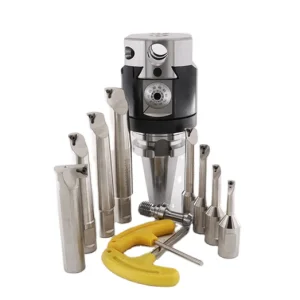
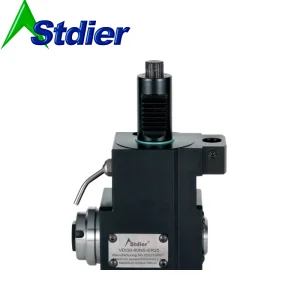
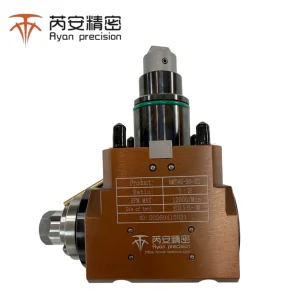
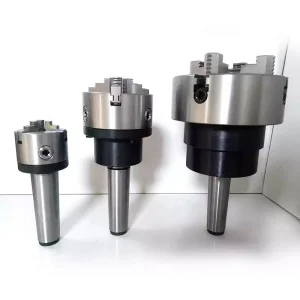
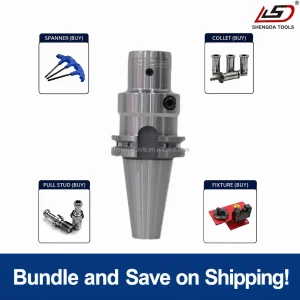
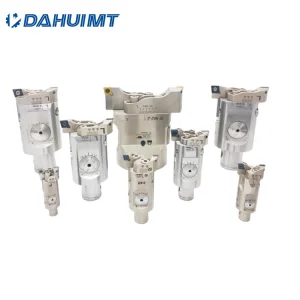
Our comprehensive product lineup is designed to support diverse CNC operations. We offer 4-jaw woodworking chucks, American quick-change tool holders, VDI tool holders, boring heads, ER collet chucks, milling chucks, drill chucks, tool holders, CNC tooling accessories, and other custom mechanical interfaces. Engineered from premium alloy steels and processed through specialized heat treatment lines, our tools are trusted components in automated machining centers, lathe turn-mill systems, and high-volume industrial production lines.
To maintain our position at the forefront of manufacturing quality, Ricon Tools has built a modern production facility equipped with high-precision CNC grinding machines, dynamic balancers, coordinate measuring machines (CMMs), and advanced coating systems. Supported by an experienced engineering department and an ISO 9001 certified quality protocol, our products deliver reliability and dimensional stability to our global partners.
Our tools are currently exported to over 30 countries and regions worldwide, including the United States, Canada, Germany, Italy, Russia, Australia, Southeast Asia, the Middle East, and South America. We establish long-term strategic relationships with distribution channels and OEM customers through competitive pricing, on-time delivery, and robust technical support.
Take a virtual tour of our production facility, where high-tech grinding, robotic laser marking, and advanced quality assurance protocols come together to shape precision tooling.
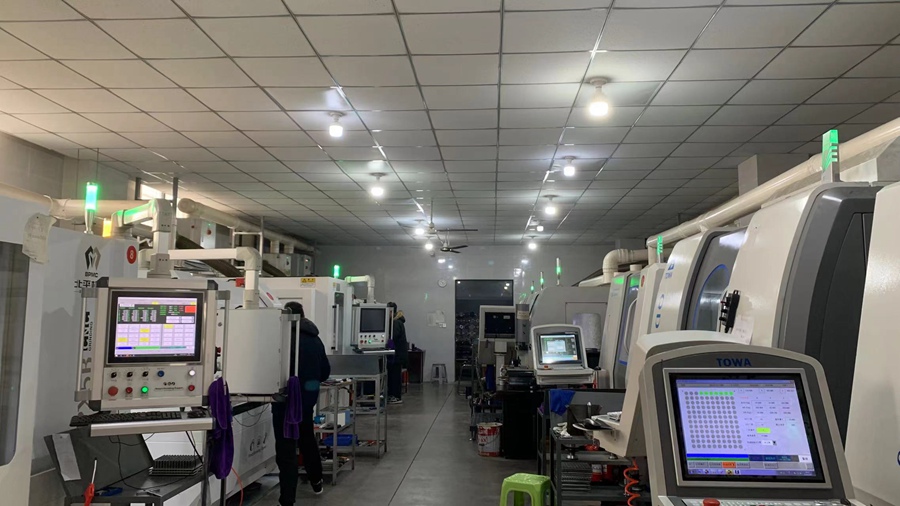
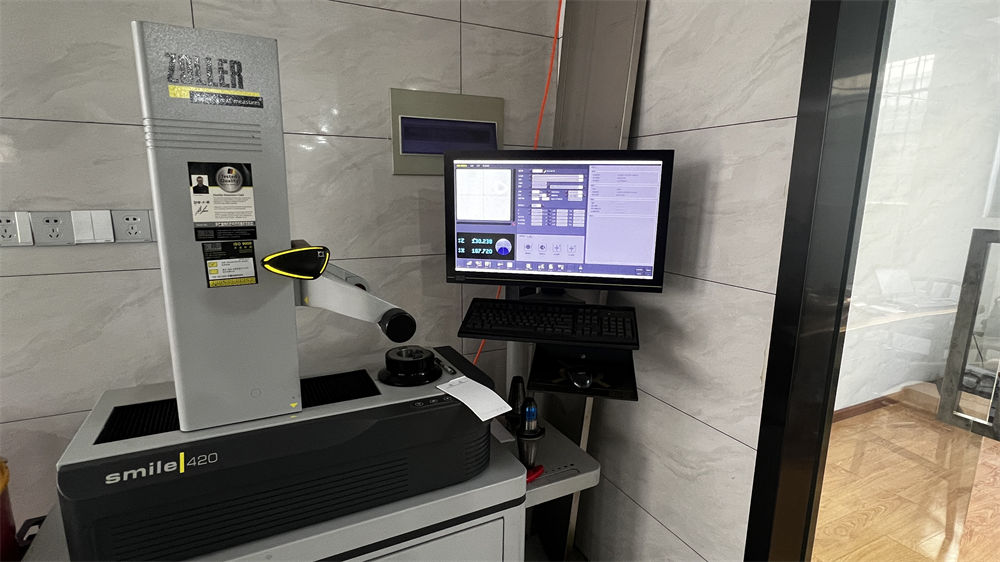
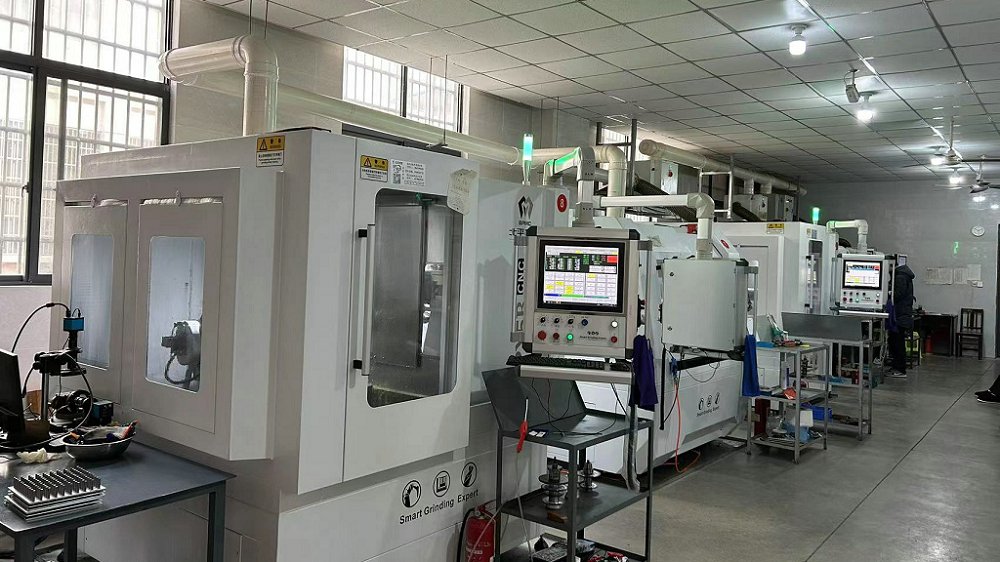
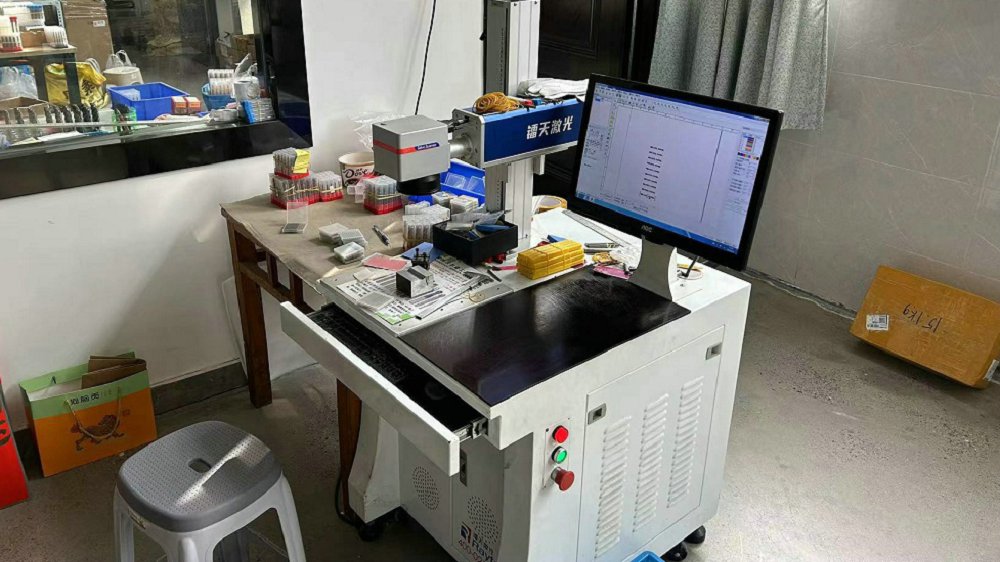
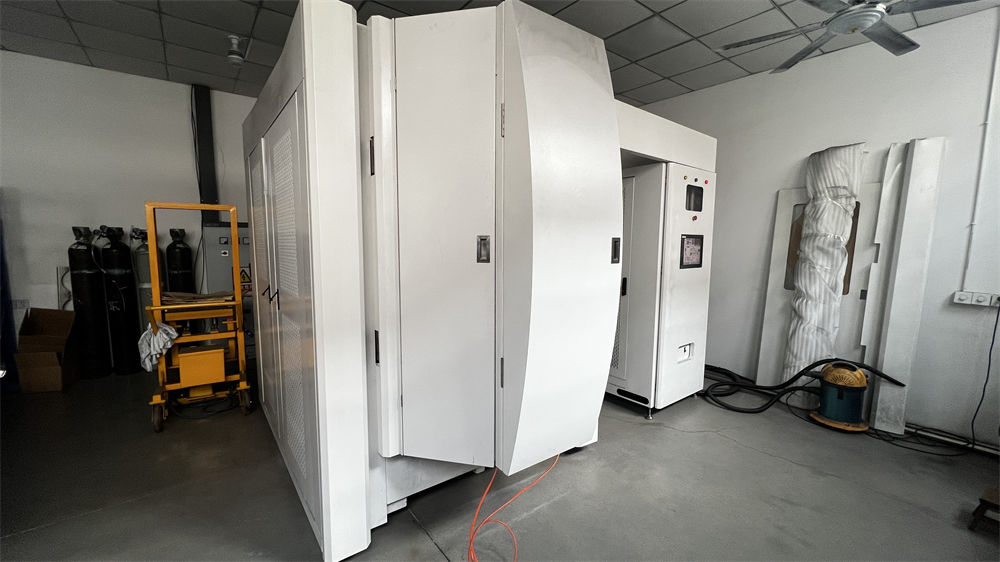
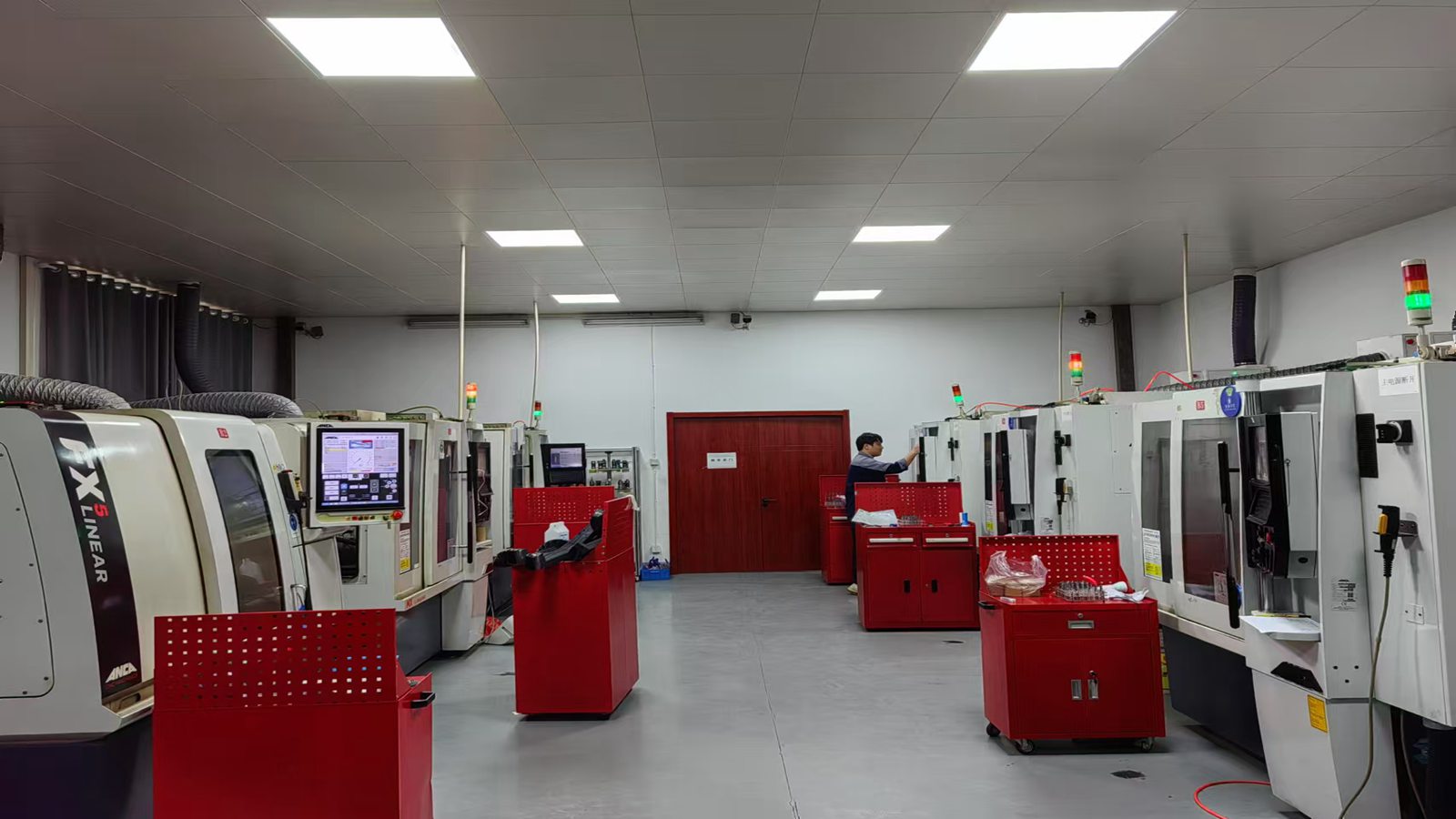
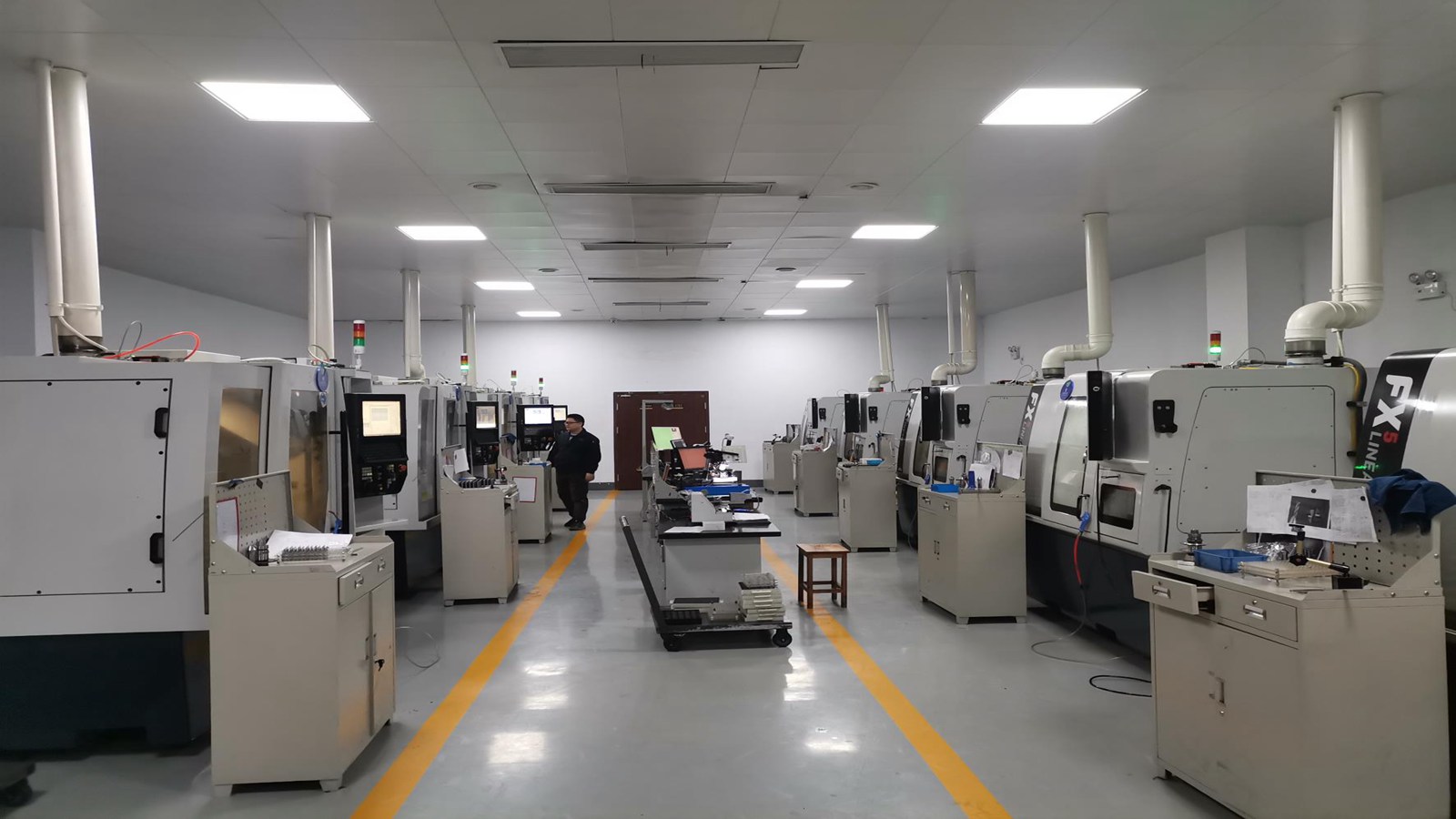
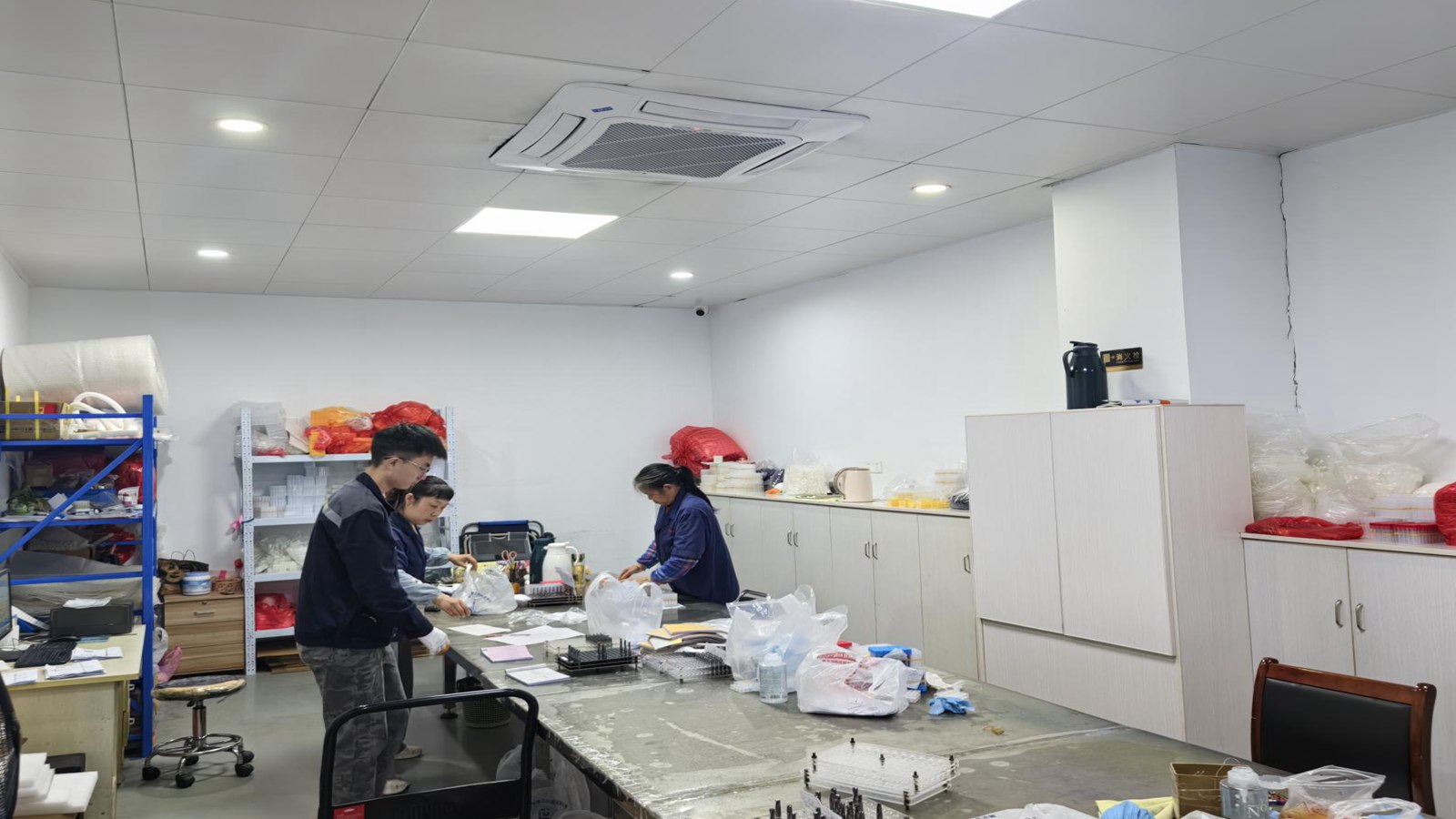
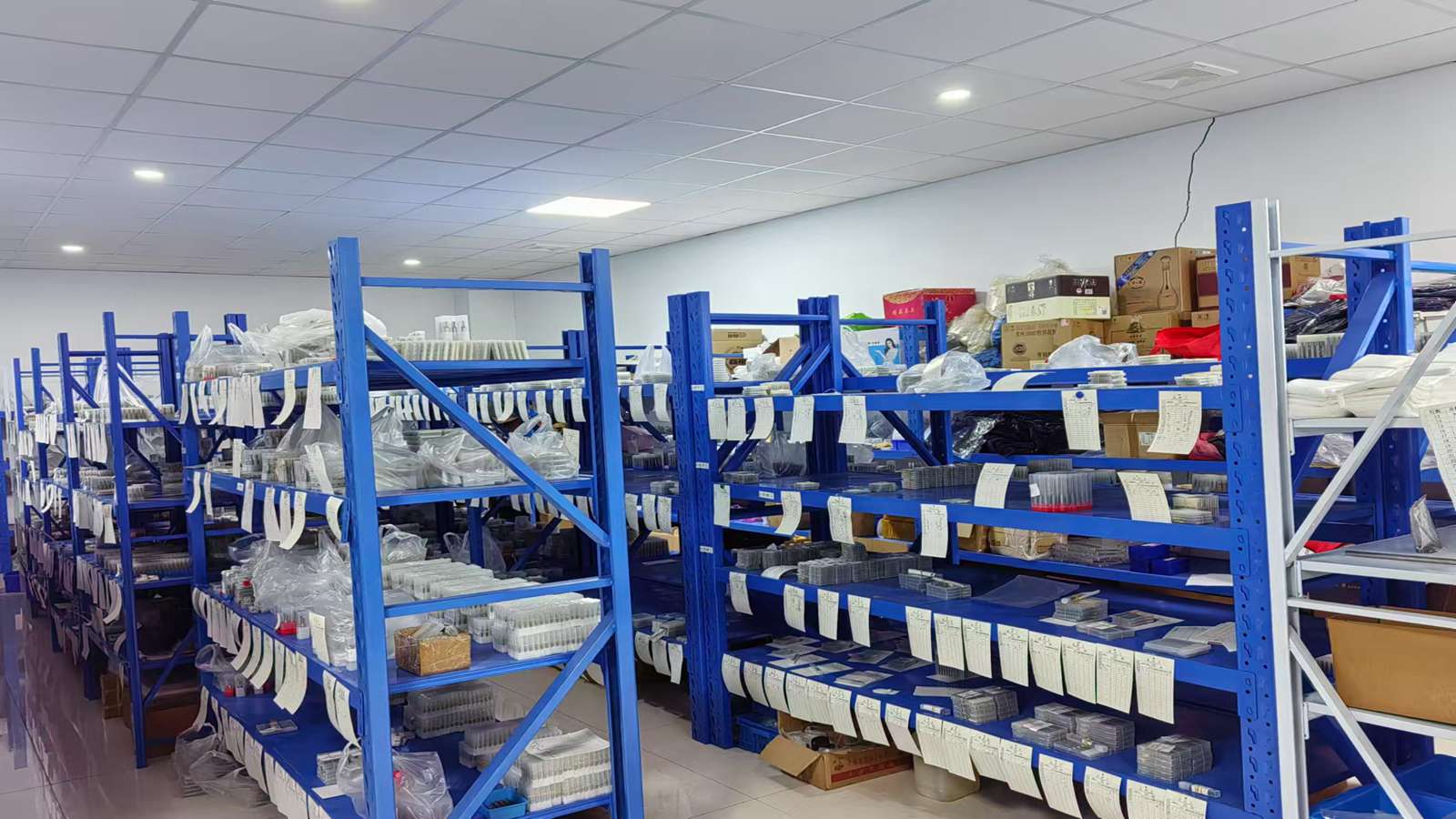
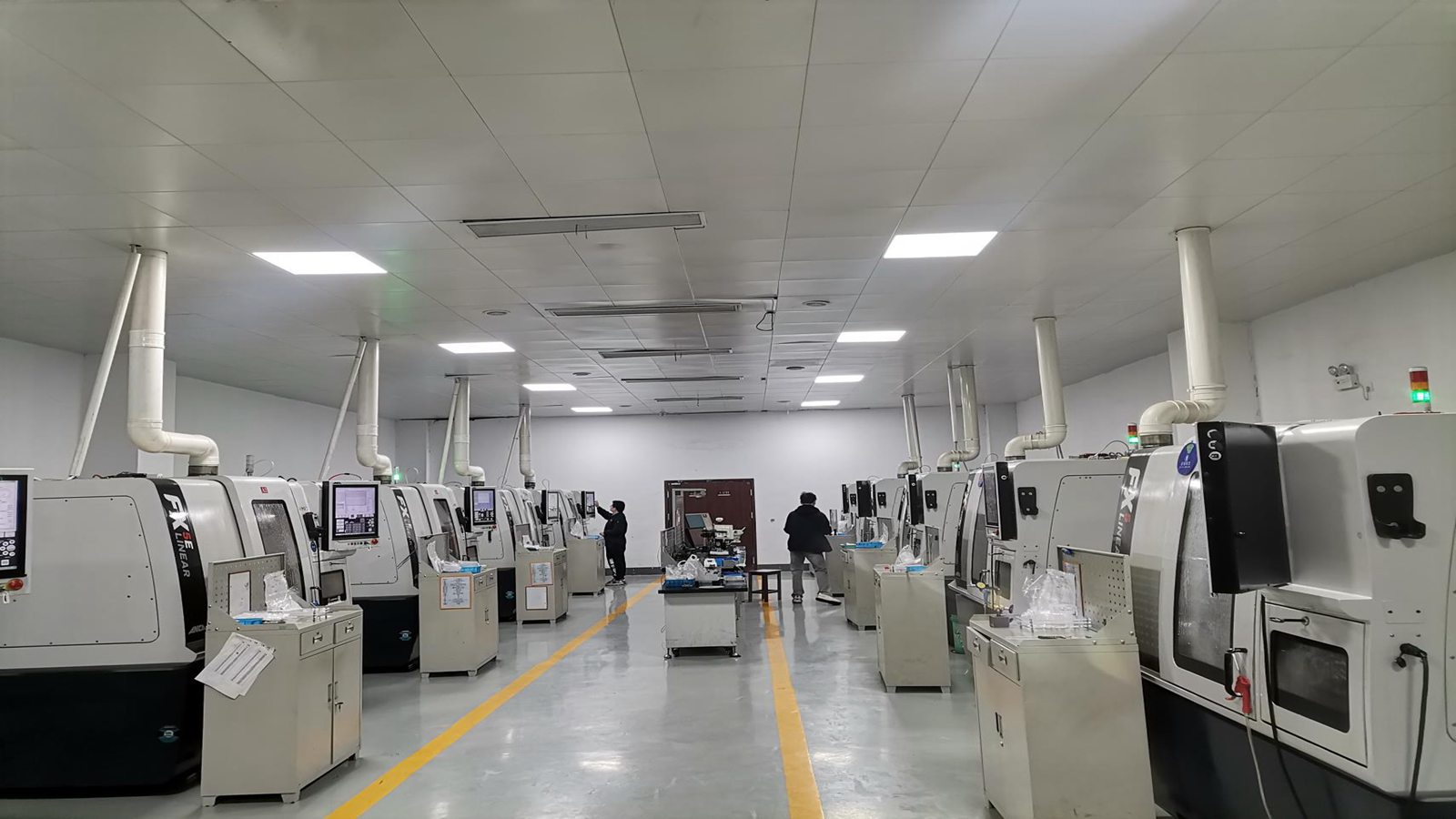
The global machine tool components supply chain has localized extensively in regional clusters that balance technical expertise with material access. Shandong, China has emerged as one of the leading ecosystems for CNC tool holding accessories. By integrating raw material sourcing, heat treatment facilities, grinding shops, and precision inspection centers, Chinese manufacturers offer distinct structural advantages.
Shandong Ricon Tools utilizes premium 20CrMnTi alloy steel, characterized by high surface wear resistance and robust core elasticity. The carburizing depth is controlled between 0.8mm and 1.2mm, followed by multi-stage tempering to achieve a surface hardness of HRC 58-62 while retaining a ductile core to absorb cutting shocks.
Automated production processes allow us to produce high volumes while maintaining tight dimensional tolerances. This efficiency reduces raw material scrap rates and processing time, providing global buyers with competitive pricing without compromising on material specifications.
Every production batch undergoes strict quality control. From initial ultrasonic raw-material inspection to final dynamic balancing audits and laser interferometer testing, we trace structural stability across all taper configurations (BT, SK, HSK, and VDI).
Selecting the appropriate tool holder system requires aligning the processing application, the machine spindle interface, and the material. Below is a structured engineering guide highlighting common manufacturing challenges and their respective tooling configurations.
Aluminum alloys require high cutting velocities and feed rates. The centrifugal forces generated at high rotational speeds can cause standard collets to slip or expand.
Engineered Tooling Choice: Dynamic Balanced SK/GSK and HSK tool holders. Specifically, GSK10/16 high-speed tool holders balanced to G2.5/25,000 RPM prevent runout deflection and ensure smooth surface finishes in critical aerospace structural components.
Heavy mill cuts and aggressive roughing generate significant radial and axial forces. Standard tool interfaces can suffer from micro-slippage, leading to dimensional inaccuracy and premature insert chipping.
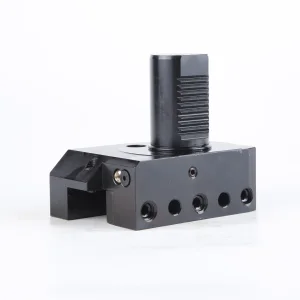
Engineered Tooling Choice: High-rigidity VDI radial driven tool holders (types B1/B2/C1/E4) and BMT series driven tool units. These offer fixed key alignments, rigid clamping, and optional internal coolant delivery to dissipate high cutting zone temperatures.
Finishing automotive engine block bores or mold cavities demands micron-level micro-adjustments. Tool deflection can lead to out-of-round bores and poor surface finishes.
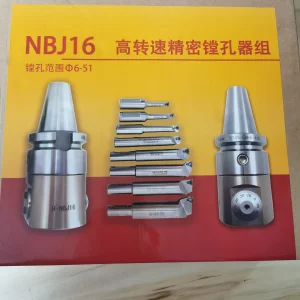
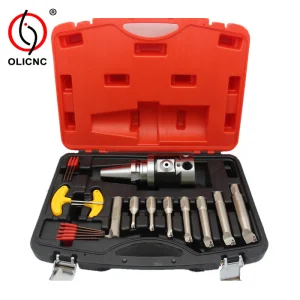
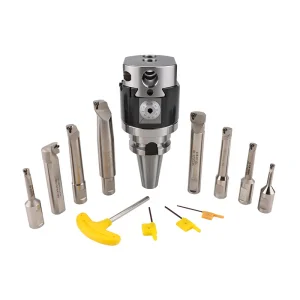
Engineered Tooling Choice: Fine boring head kits (NBJ16, NBH2084 series) paired with BT40/BT50 or SK40 tapers. These boring systems allow radial adjustments down to 0.002mm per division, enabling stable finishing operations.
The cutting tool industry is shifting toward high-rigidity, high-dampening, and balanced holding designs. Understanding these shifts is key for global sourcing agents and production managers looking to optimize tooling efficiency.
Find answers to common engineering, quality verification, and logistics questions below.