Ricon Tools
Ricon Tools
Ricon Tools
Explore our top-performing precision machine tool accessories, engineered for high accuracy, rigidity, and outstanding surface finish.
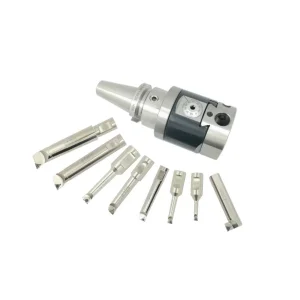
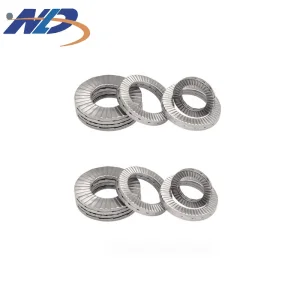
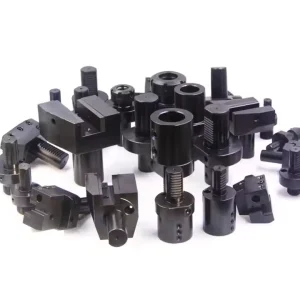
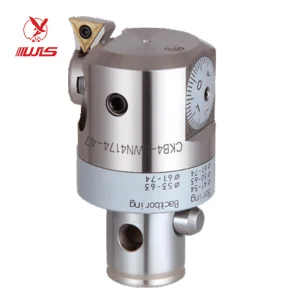
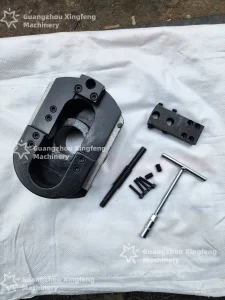
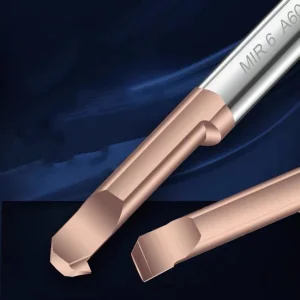
In high-precision CNC metalworking, achieving strict dimensional tolerances and excellent surface finishes inside narrow internal cavities requires highly stable tooling. Indexable boring bars are the standard tool for modern internal turning operations. Unlike traditional solid tools, indexable systems utilize replaceable carbide inserts clamped onto high-tensile steel or heavy-metal shanks. This design offers a significant cost benefit, as only the cutting edge is replaced when worn, rather than the entire tool.
However, internal boring poses unique challenges, particularly regarding chatter and tool deflection. Since boring bars must reach inside the workpiece, they behave as cantilever beams. The overhang ratio (Length-to-Diameter, or L/D) determines the structural rigidity of the setup.
Strategic supply chain integration allows Chinese exporters to deliver high-quality, high-precision tooling components globally at highly competitive prices.
China produces over 80% of the world's raw tungsten—the primary component of tungsten carbide. This close proximity ensures that Chinese boring bar manufacturers can source high-density carbide shanks and tool steel with minimal supply chain delay.
From CAD design and raw steel forging to precision multi-axis CNC grinding, vacuum heat treatment, and chemical vapor deposition (CVD)/physical vapor deposition (PVD) coating, our entire manufacturing process is executed in-house, reducing overall lead times.
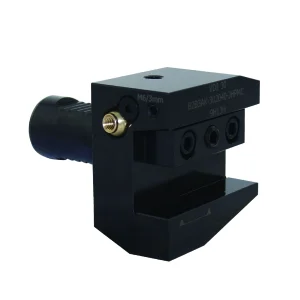
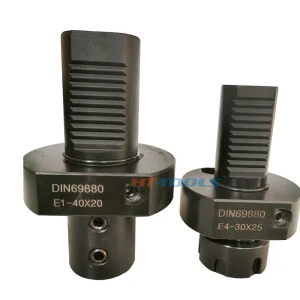
By producing standardized tool shanks and VDI tool holders in high volumes, Chinese factories optimize machine setup times. These cost savings are passed directly to international distributors, lowering procurement costs.
Shandong Ricon Tools Co., Ltd. is a professional manufacturer specializing in the research, development, production, and sales of precision machine tool accessories. Since its establishment, Ricon Tools has been committed to providing high-quality tooling solutions for the global metalworking and woodworking industries.
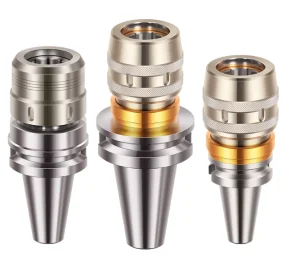
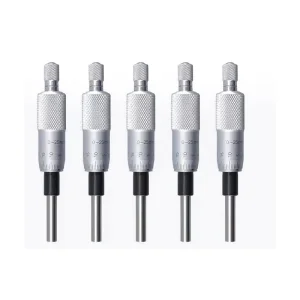
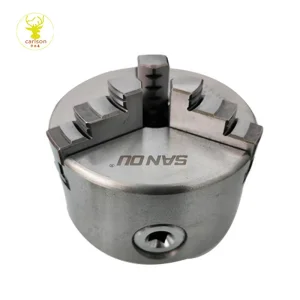
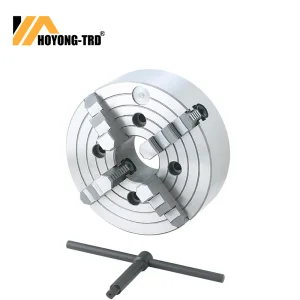
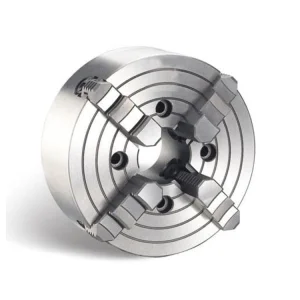
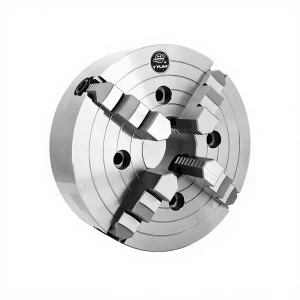
Our extensive product portfolio includes 4-jaw woodworking chucks, American quick-change tool holders, VDI tool holders, boring heads, ER collet chucks, milling chucks, drill chucks, tool holders, CNC tooling accessories, and other precision machining components. These products are widely used in CNC machining centers, lathes, milling machines, woodworking machinery, and various industrial manufacturing applications.
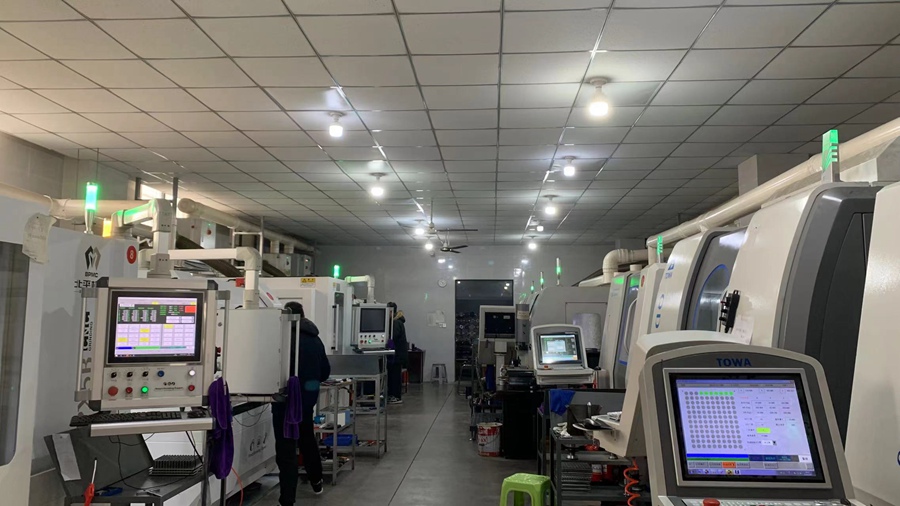
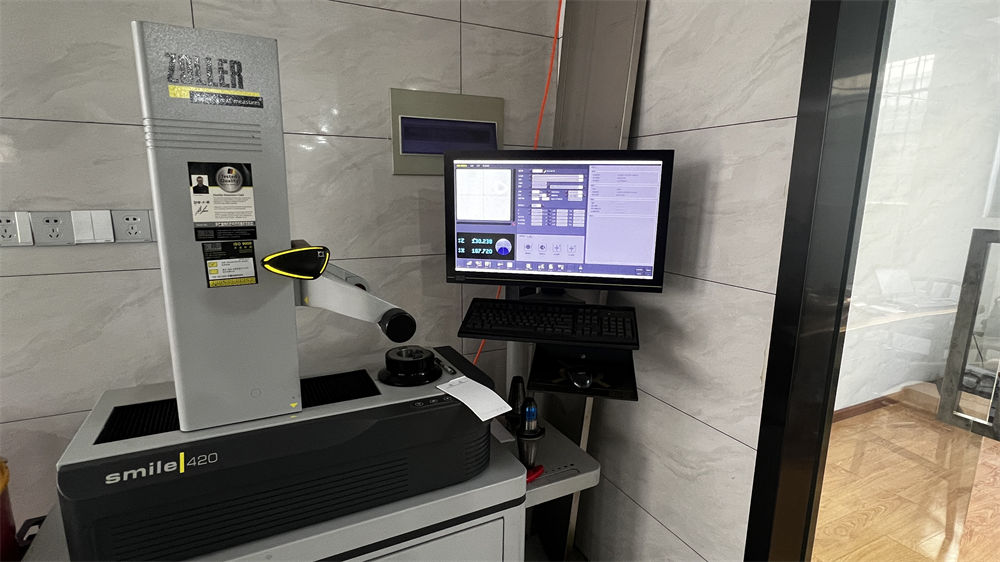
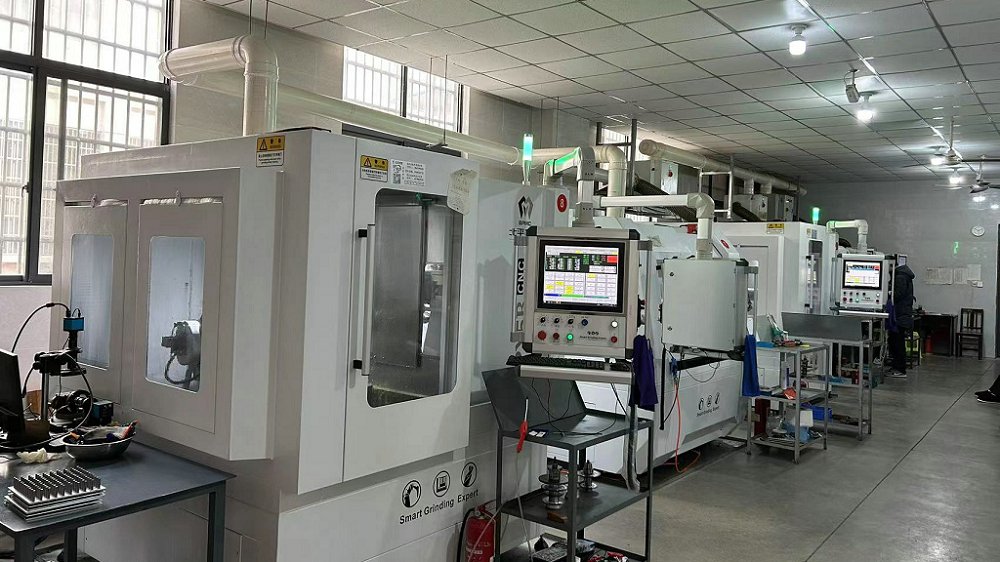
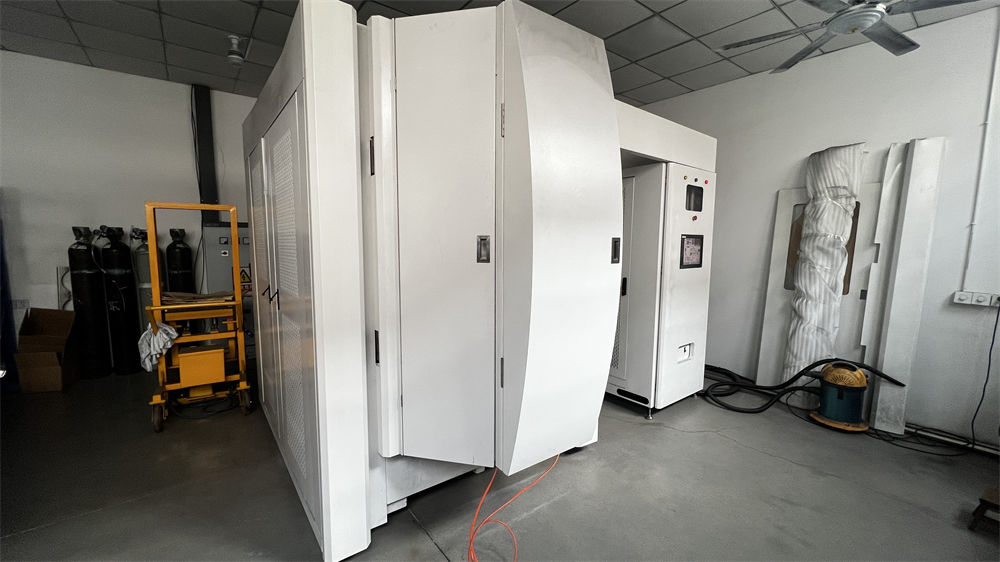
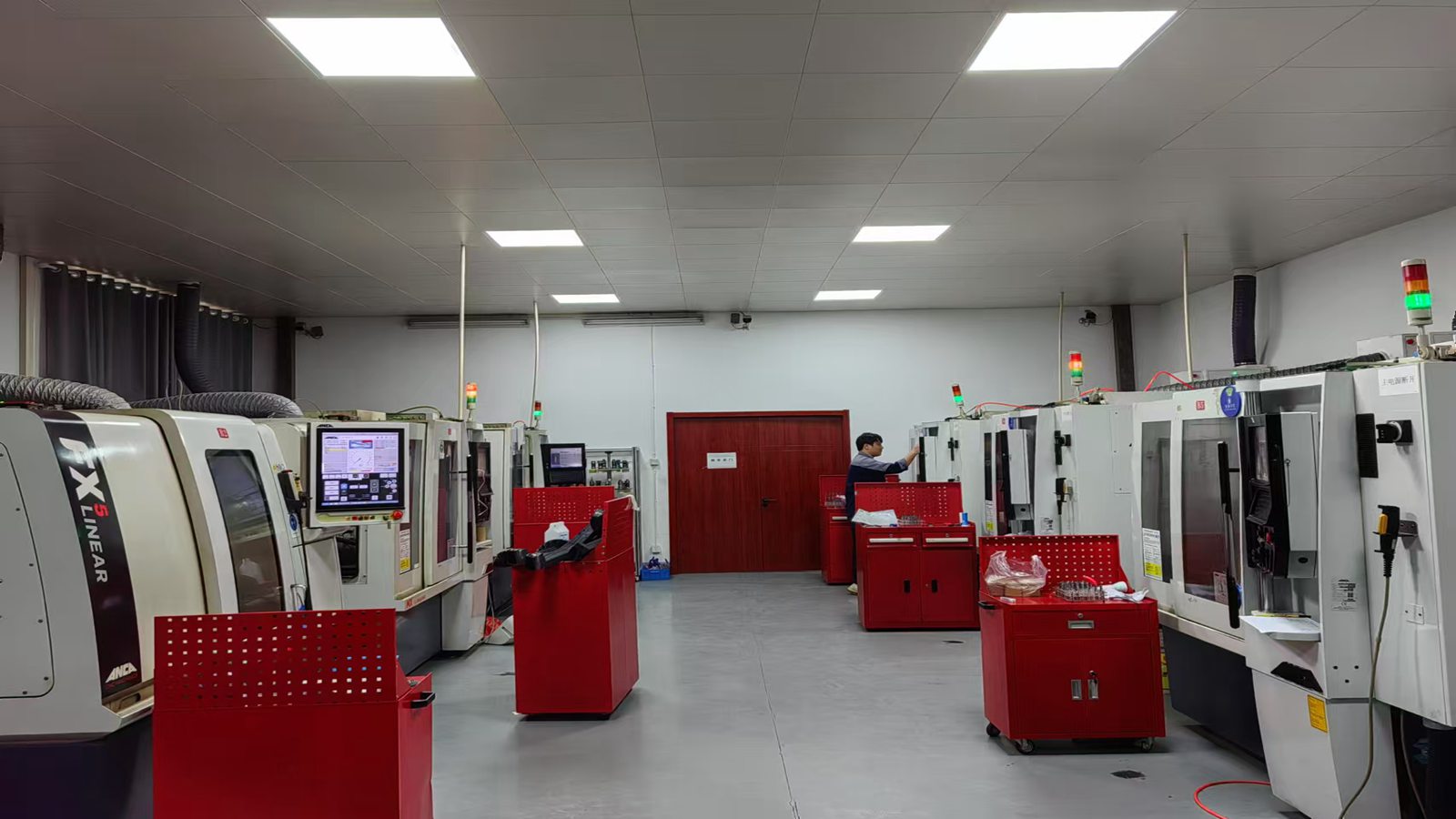
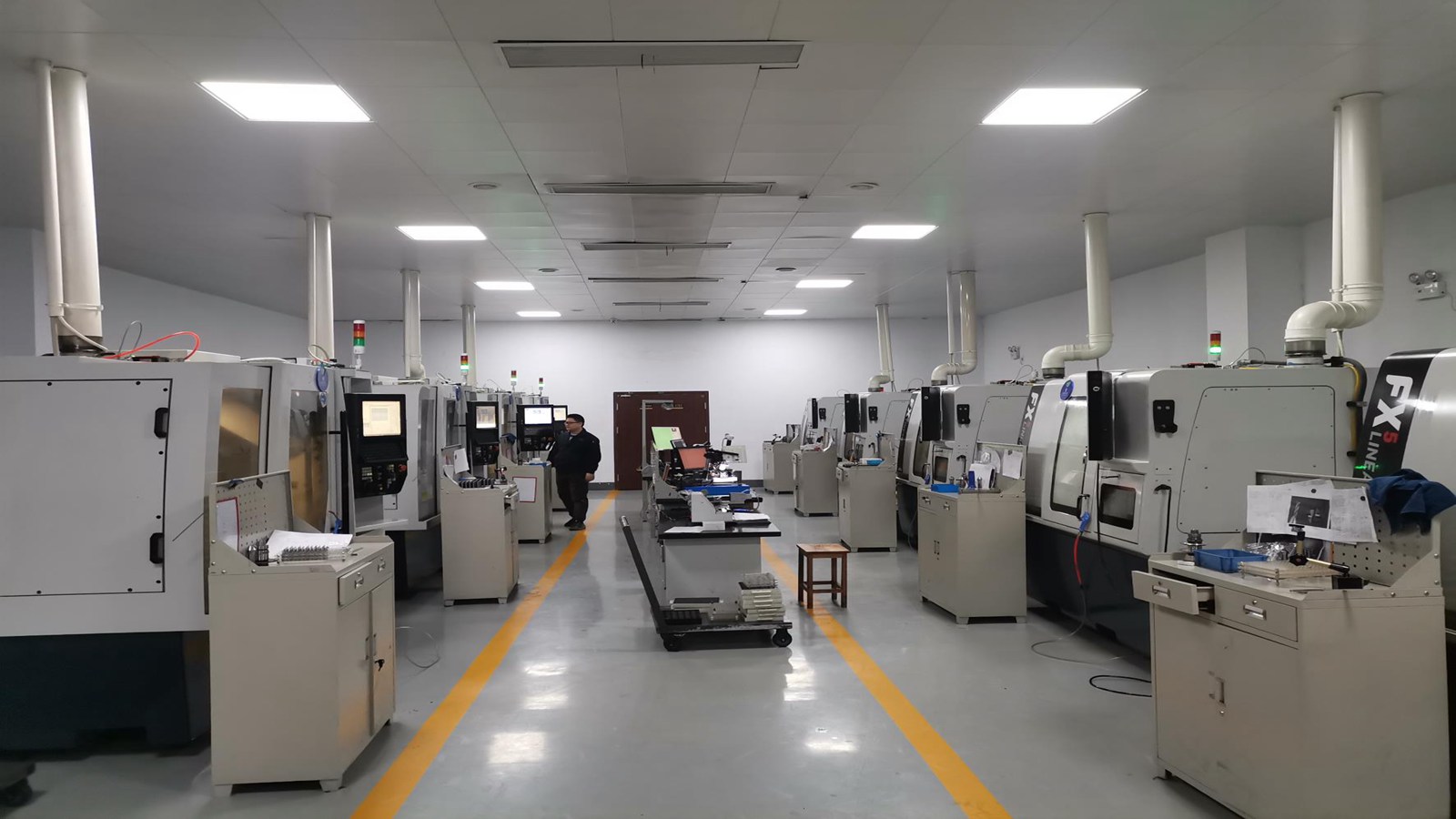
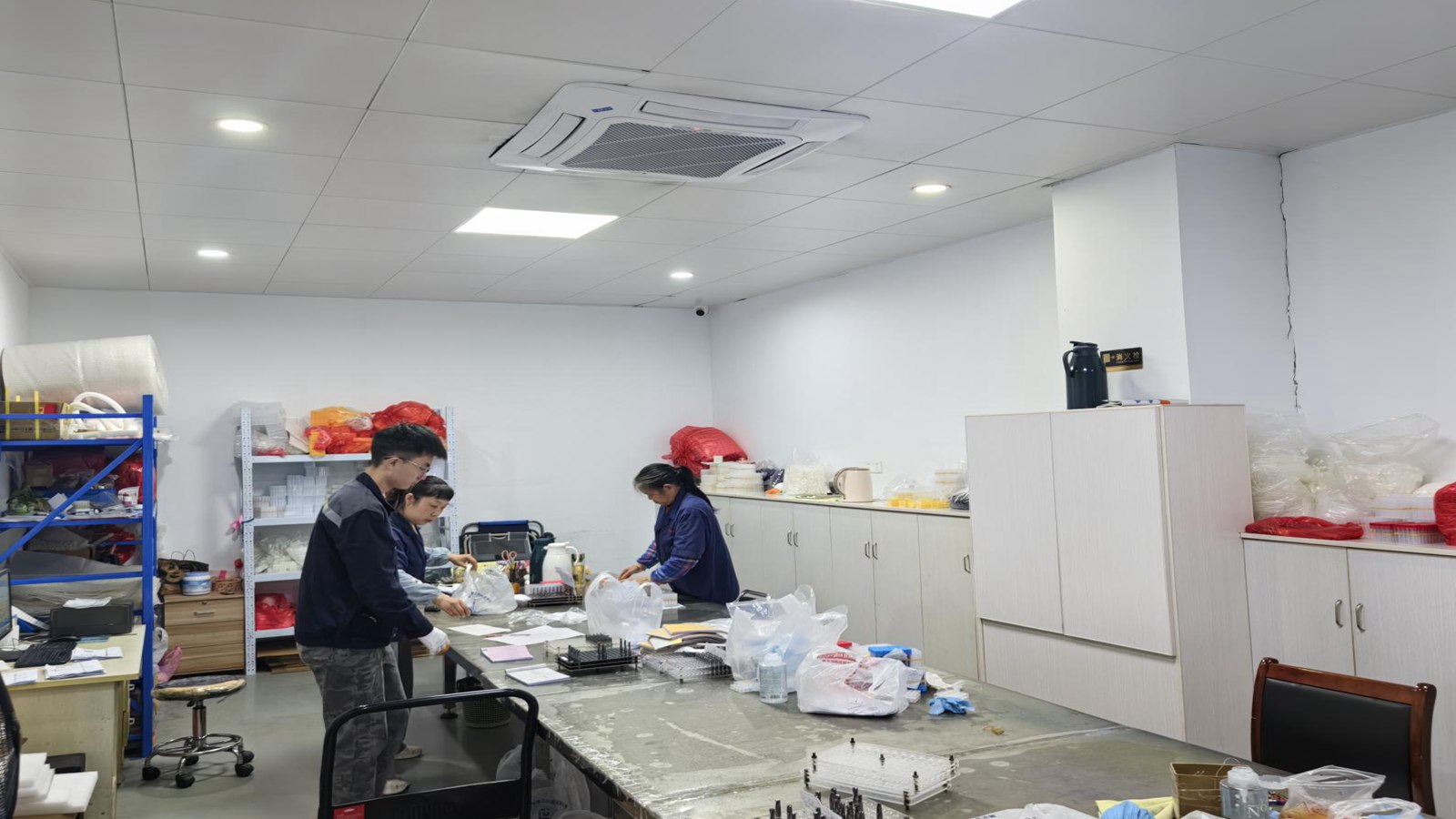
To ensure consistent quality and manufacturing efficiency, we have invested in advanced CNC machining equipment, precision grinding machines, inspection instruments, and automated production facilities. Backed by our experienced technical team and strict quality management systems, every tool is built for high precision, durability, and reliable performance in demanding environments.
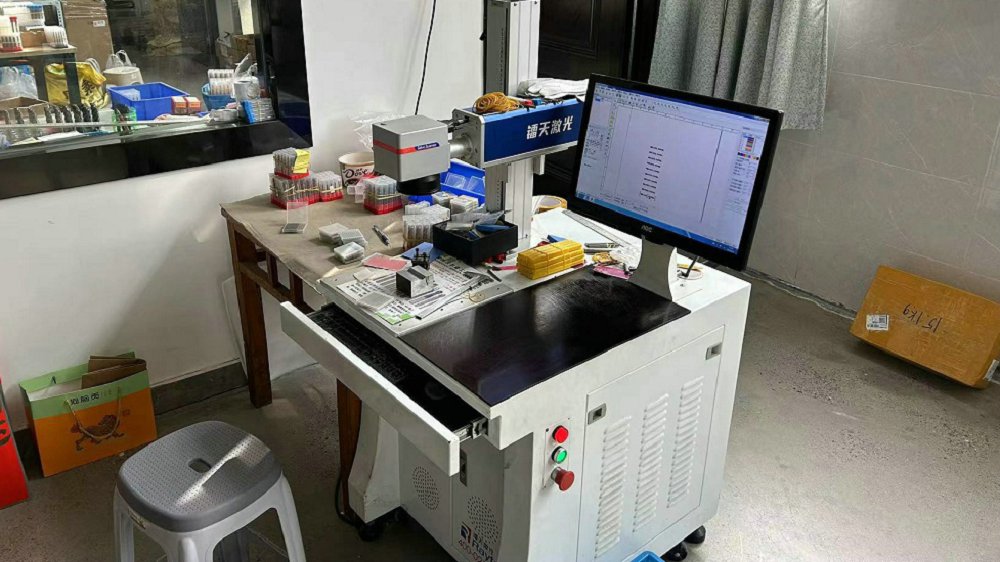
A look inside our manufacturing facility, highlighting our commitment to quality, automation, and precise testing standards.
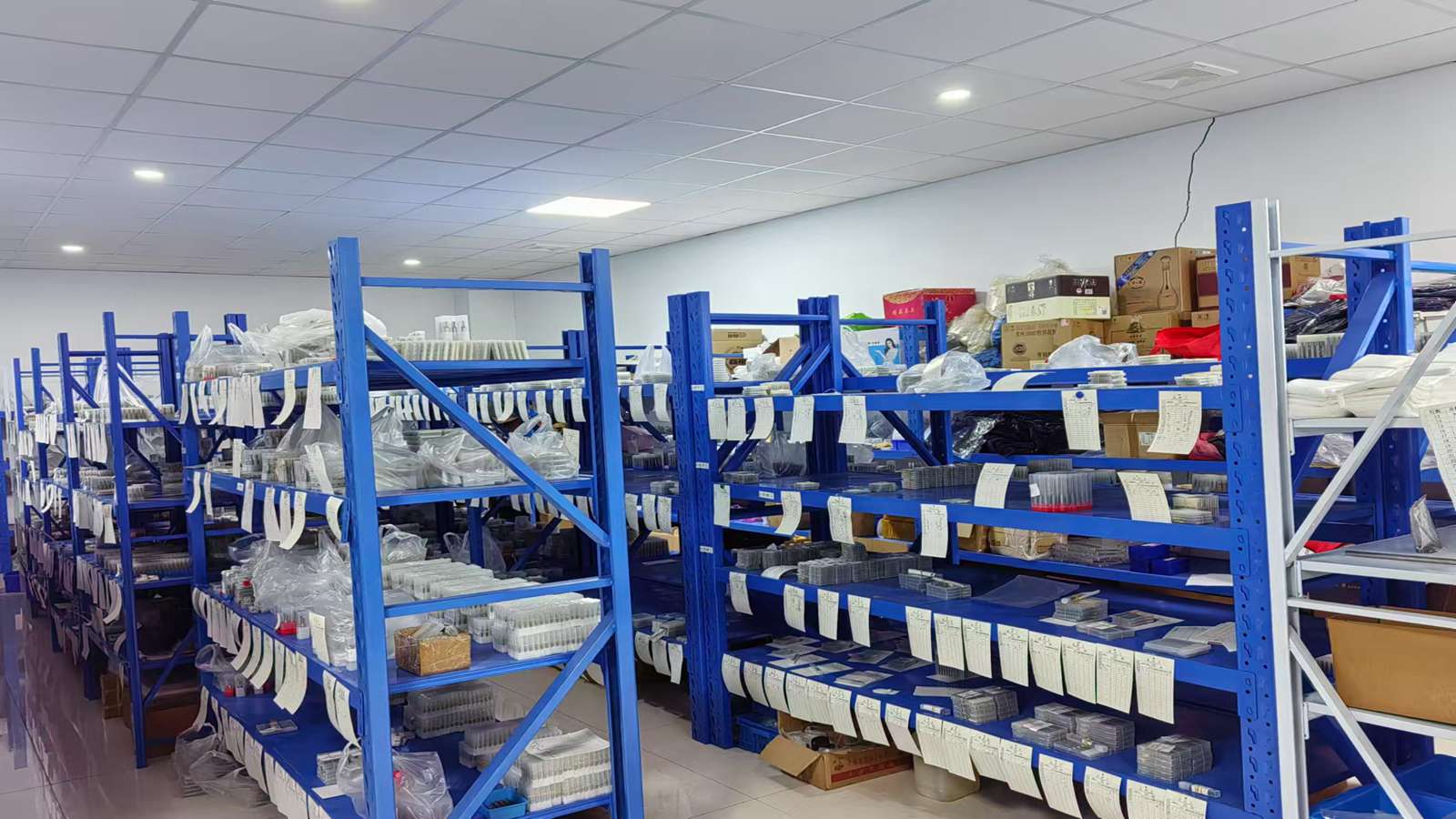
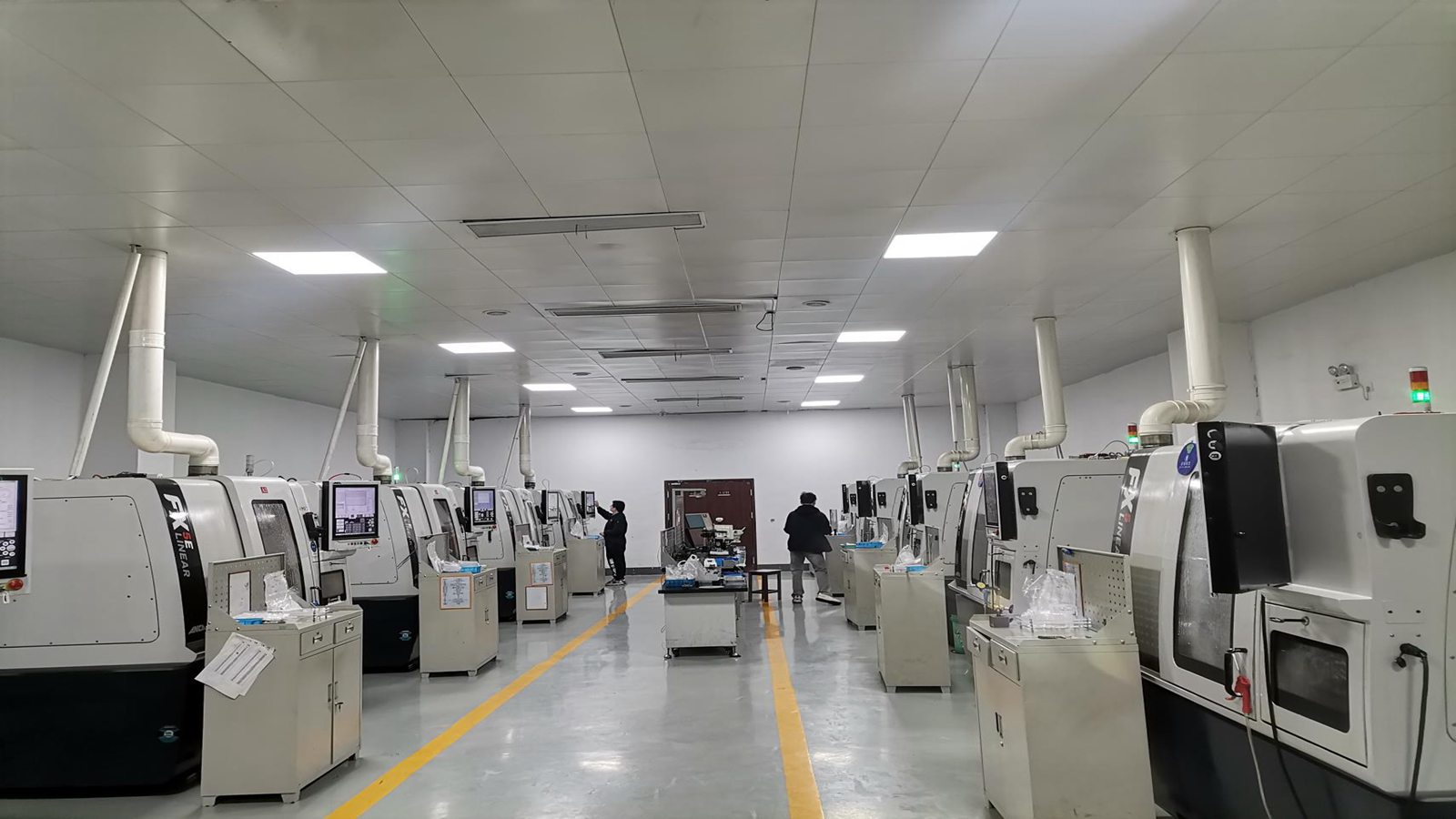
Key considerations for international purchasing managers looking to source high-reliability CNC tooling components.
Global manufacturers require strict adherence to international standards like ISO, DIN (such as DIN 69880 for VDI tool holders), and ANSI. Our tooling conforms to these standards, ensuring compatibility with CNC lathe turrets from Mazak, Haas, DMG Mori, and Okuma.
Aerospace, automotive, and defense procurement agents demand material traceability. Ricon Tools supplies comprehensive material test reports (MTR) confirming steel grades (e.g., 40Cr, 42CrMo) and hardness testing outcomes (HRC levels).
Beyond initial purchase price, the longevity and wear resistance of indexable boring bars determine actual cost-per-part metrics. High-grade surface treatments and precision pocket machining extend tool life and reduce insert replacement frequency.
Modern CNC internal turning is changing rapidly, driven by automation and the need for tighter dimensional accuracy. Manufacturers are adopting several advanced technologies:
High-Pressure Coolant (HPC): Traditional external flood coolant often fails to reach the cutting zone inside narrow bores, leading to chip recutting and rapid tool wear. Modern indexable boring bars feature targeted internal coolant channels that deliver fluid directly to the insert flank, improving chip control and extending tool life.
Vibration Damping Tech: Smart boring bars with built-in mass-damper systems are becoming more common. These systems auto-tune to vibration frequencies during operation, allowing for overhang ratios up to 10xD while maintaining high surface finish quality.
Digital Optimization: Digital tools help engineers select the ideal entry angle, cutting speed (SFM), and feed rate based on the specific workpiece material, reducing setup times on the shop floor.
How we support global distribution networks and ensure regulatory compliance for regional industrial markets.
We supply detailed CAD models, STEP files, and application guidelines to simplify tooling configuration for regional application engineers during setup.
Our manufacturing and testing standards comply with ISO 9001:2015, REACH, RoHS, and CE guidelines, ensuring smooth customs clearance and import processing.
We provide custom design services for specialized applications, including modified pocket configurations, unique tool holder profiles, and private-label branding options.
Answers to common engineering and procurement questions regarding boring bar selection, applications, and maintenance.
Explore our full line of industrial tooling accessories, from heavy-duty VDI tool holders to precision chucks.