Ricon Tools
Ricon Tools
Ricon Tools
Explore our core manufacturing line of industrial adapters, high-precision chucks, and locking washer sets.
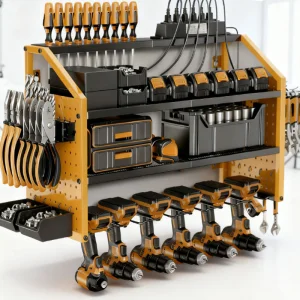
In high-volume manufacturing sectors, ergonomics and cycle efficiency are two pillars of production success. Tool Balancers, also widely known as spring balancers or gravity-defying retractors, serve as critical machinery helper devices that suspend heavy hand tools, air guns, torque drivers, and welding equipment at a predetermined height. By counteracting the weight of suspended tools, tool balancers minimize operator physical strain, prevent repetitive motion injuries, and protect valuable tooling components from drops and accidental impacts.
From a design perspective, quality tool balancers incorporate a spiral spring mechanism that matches the exact weight of the tool. This achieves a state of zero-gravity balance, enabling operators to move tools up and down effortlessly. As global factories pivot toward smart factory concepts, selecting the right tool balancer with advanced locking features, wear-resistant cable feeds, and modular safety guards is essential to maintaining high output rates and ensuring compliance with stringent workplace safety laws.
China has evolved from a mass-producer into a global hub of advanced engineering, leveraging robust industrial clusters. In provinces like Shandong, the concentration of tooling factories creates an unparalleled supply ecosystem. Factories like Shandong Ricon Tools Co., Ltd. leverage this localized supply chain, combining high-grade steel sourcing, advanced heat-treatment services, and automated grinding centers to manufacture exceptionally durable machine accessories and tool balancers.
The Chinese supply chain advantage is defined by three critical elements:
How our technical and process capabilities guarantee zero-defect delivery globally.
Tension settings calibrated to match exact tool profiles, eliminating resistance and preventing operator shoulder and arm fatigue.
Dual-point safety drop prevention mechanisms engineered into every frame, ensuring compliance with OSHA and European CE regulations.
Integrated guide bushes prevent cable fraying at extreme exit angles, extending the service life of internal steel ropes.
Procurement agents often struggle to distinguish between various balancer types. The key to optimizing operations is matching the specific technical load requirements to the operational environment. Here is a definitive breakdown of selection criteria used by professional engineering teams:
Retractor Balancers: These exert upward tension that increases as the cable is pulled out. The operator must continuously apply downward force to use the tool. This is best for small tools, packaging machines, or quick air-nozzle operations.
Zero-Gravity (True Spring) Balancers: These feature a tapered drum. As the wire rope extends, the leverage ratio changes to offset the increasing spring force. This results in constant suspension force across the entire stroke range, meaning the tool stays exactly where the operator releases it.
Before finalizing a supplier order, verify the exact mass of the tool assembly, including attachments (hoses, nozzles, drill bits, and locking adapters). Operating a balancer at the absolute limit of its capacity will cause premature spring fatigue. It is recommended to choose a tool balancer where the tool weight sits in the middle 60% of the balancer's rated range.
Navigating cross-border engineering purchases requires confidence in safety certifications. A tool drop can trigger catastrophic assembly line shutdowns and legal liability. As an experienced exporter, our manufacturing processes prioritize international compliance.
Shandong Ricon Tools Co., Ltd. - Precision Engineering Specialists
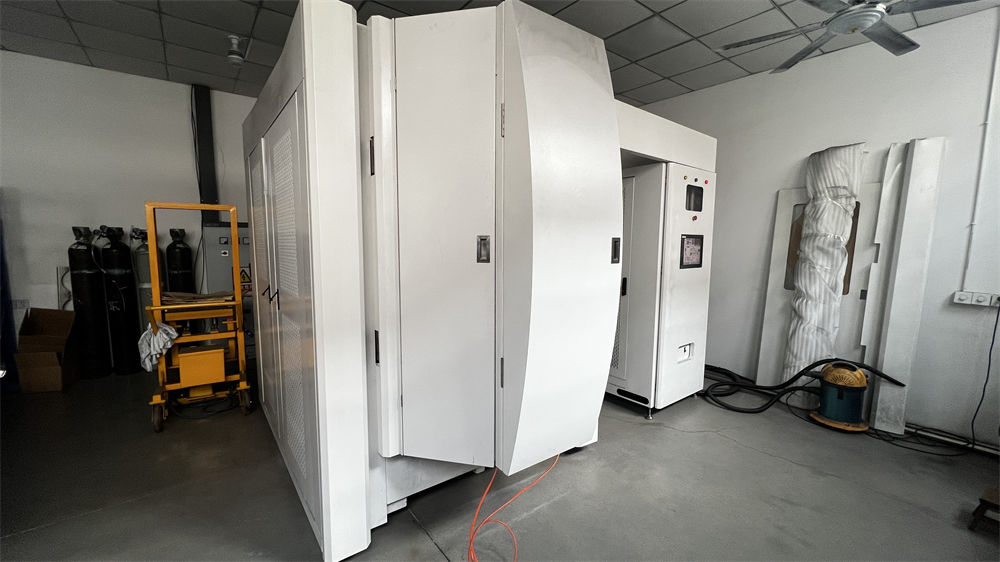
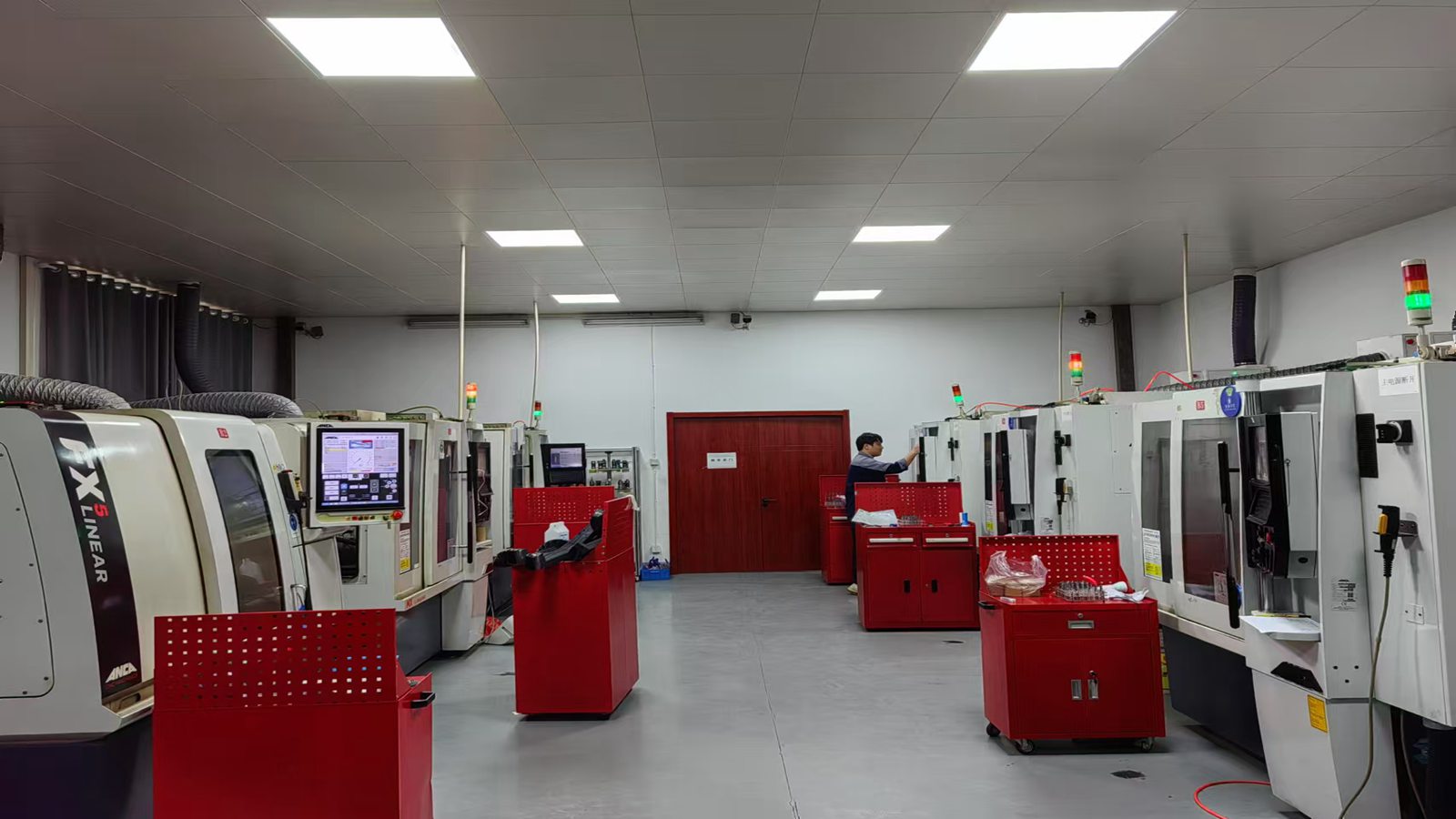
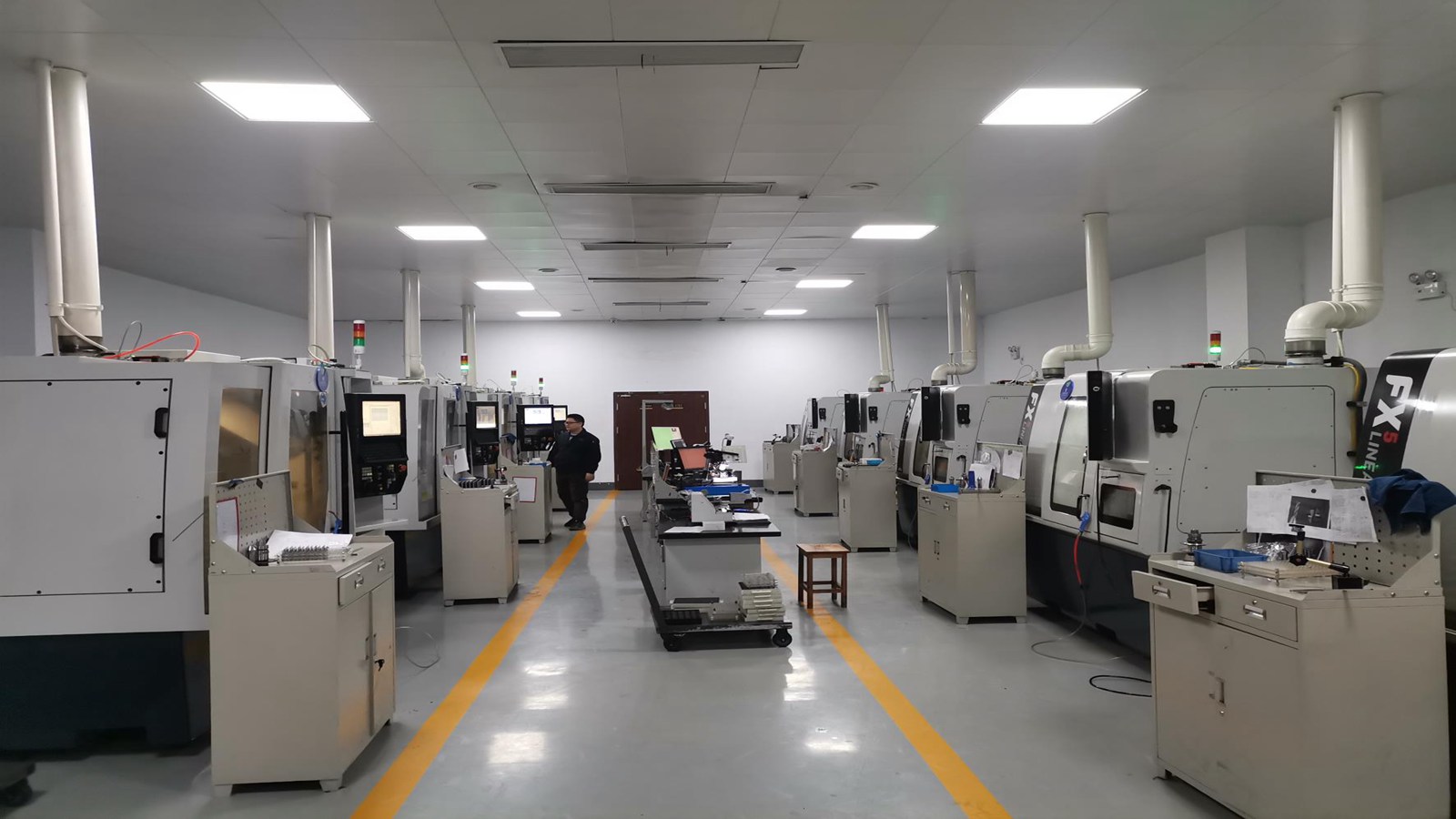
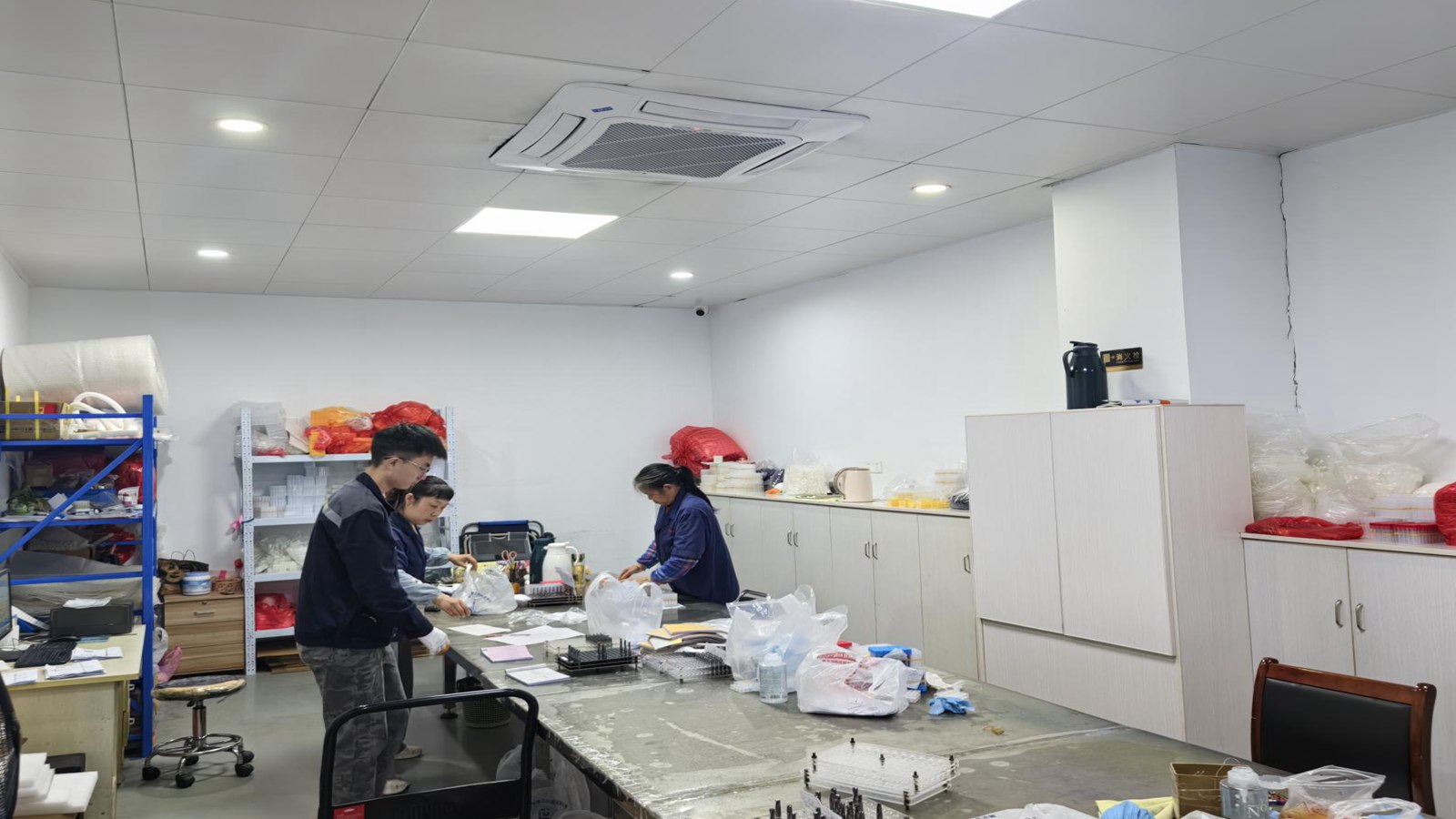
Shandong Ricon Tools Co., Ltd. is a professional manufacturer specializing in the research, development, production, and sales of precision machine tool accessories. Since its establishment, Ricon Tools has been committed to providing high-quality tooling solutions for the global metalworking and woodworking industries.
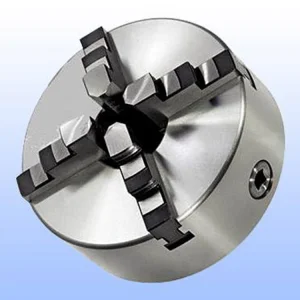
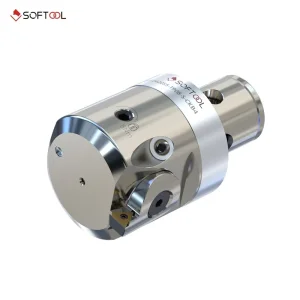
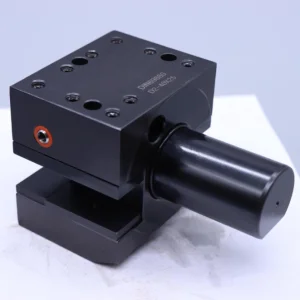
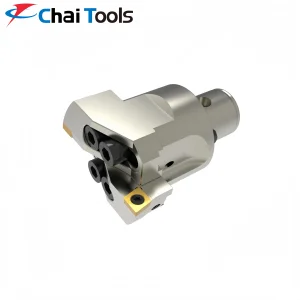
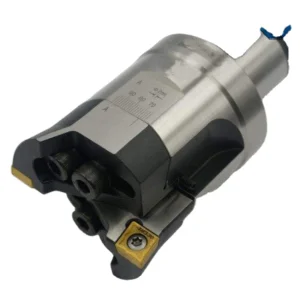
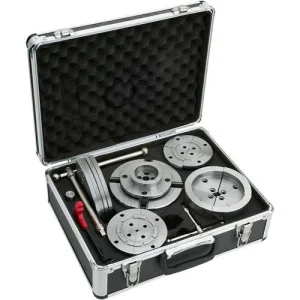
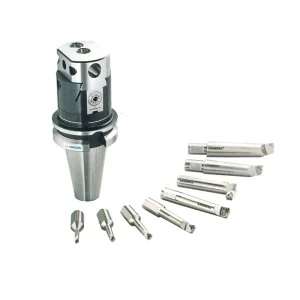
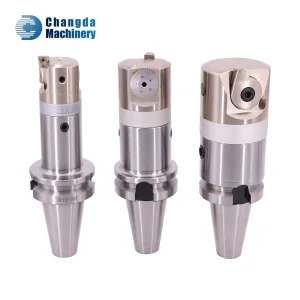
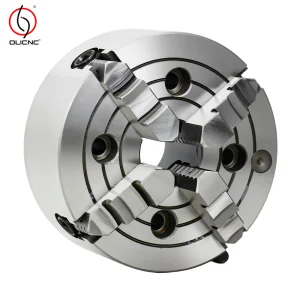
Our comprehensive product portfolio includes a wide range of precision machine tool accessories, such as 4-jaw woodworking chucks, American quick-change tool holders, VDI tool holders, boring heads, ER collet chucks, milling chucks, drill chucks, tool holders, CNC tooling accessories, and other precision machining components. Our products are widely used in CNC machining centers, lathes, milling machines, woodworking machinery, and various industrial manufacturing applications.
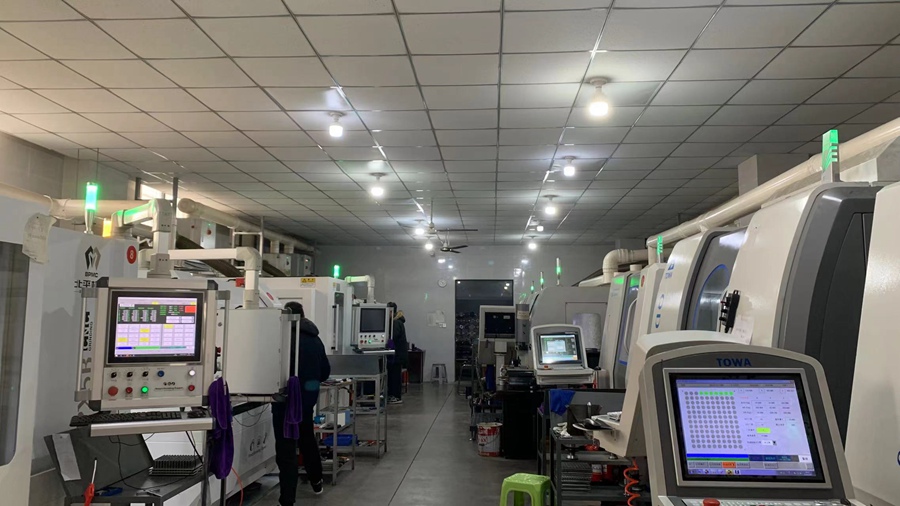
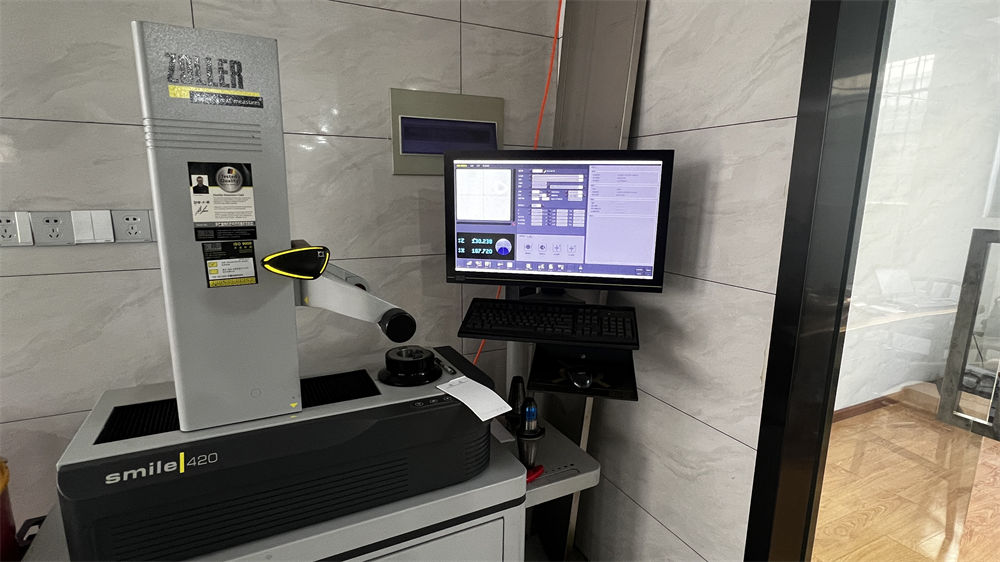
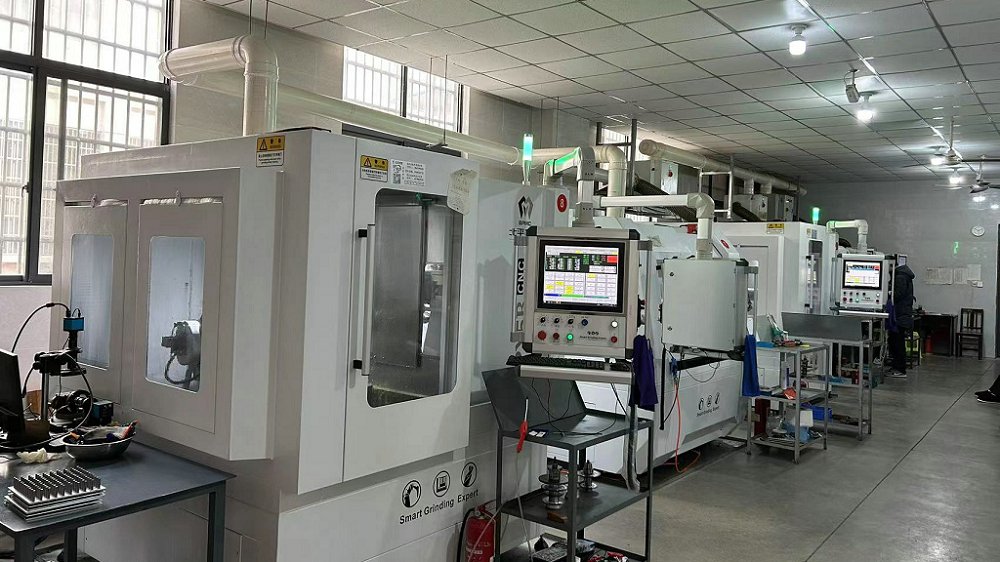
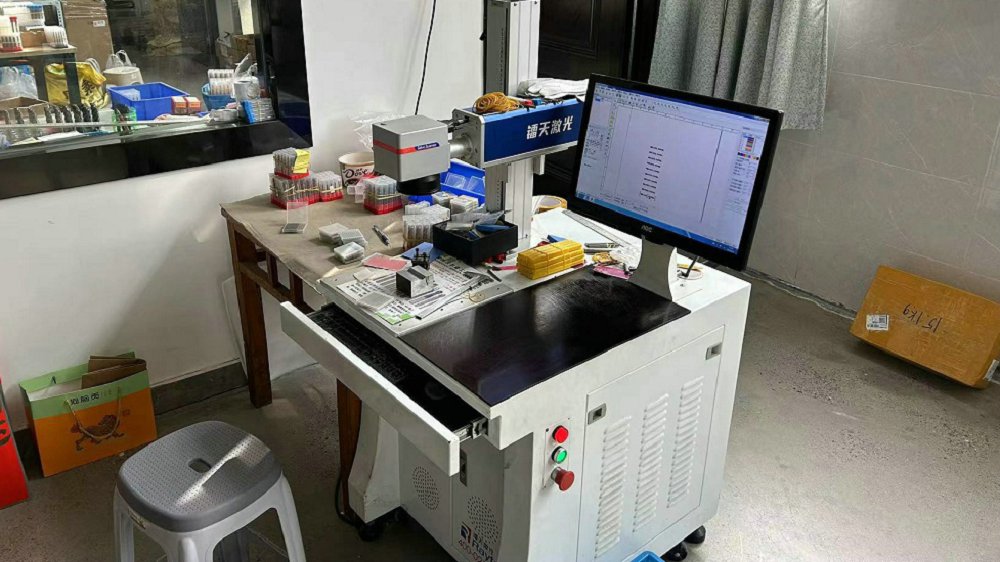
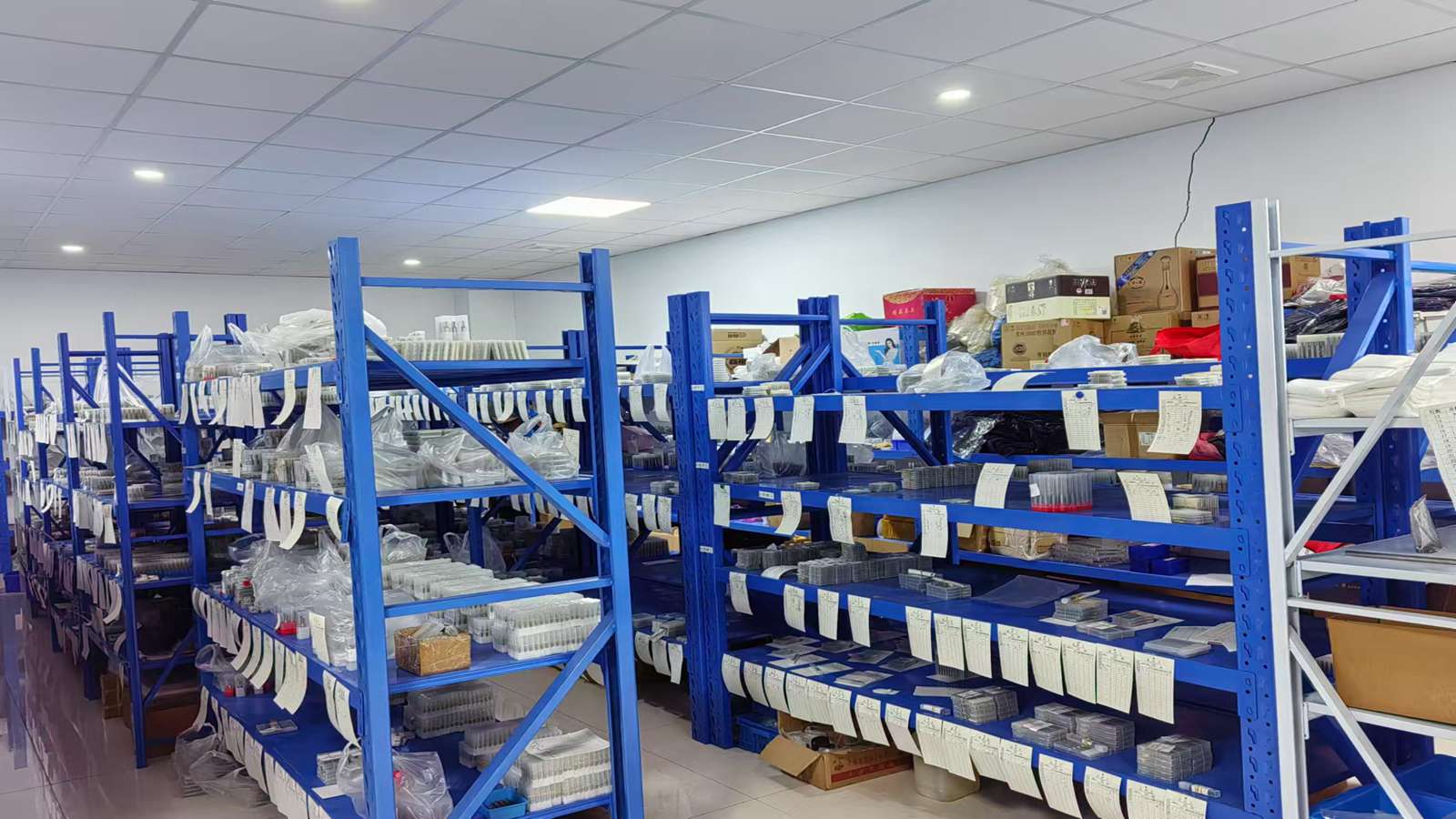
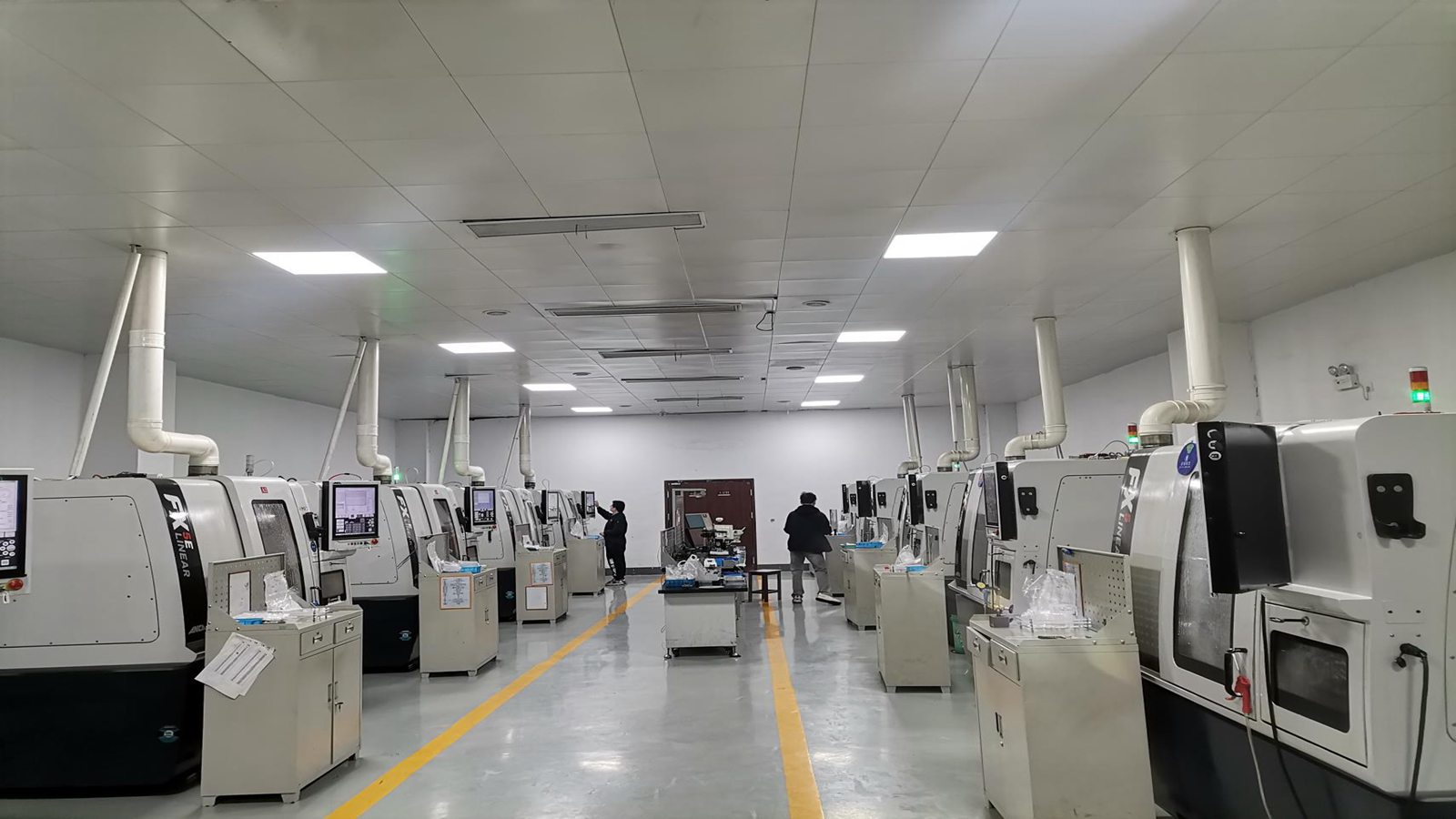
To ensure consistent product quality and manufacturing efficiency, Ricon Tools has invested in advanced CNC machining equipment, precision grinding machines, inspection instruments, and automated production facilities from both domestic and international suppliers. Supported by an experienced technical team and a strict quality management system, every product is manufactured with high precision, excellent durability, and reliable performance to meet the demanding requirements of customers around the world.
With years of experience in the machine tool accessories industry, Ricon Tools has established long-term partnerships with customers across numerous industries. Our products are well recognized in the domestic market and are exported to more than 30 countries and regions, including the United States, Canada, Germany, Italy, Russia, Australia, Southeast Asia, the Middle East, and South America. We have earned an excellent reputation for superior quality, competitive pricing, on-time delivery, and professional customer service.
Driven by the philosophy of "Quality First, Innovation Driven, Customer Focused," Shandong Ricon Tools Co., Ltd. continuously invests in technological innovation, product development, and manufacturing excellence. We are dedicated to providing customers with reliable products, customized solutions, and comprehensive technical support. Looking ahead, Ricon Tools will continue to strengthen its global presence, pursue continuous innovation, and create greater value for customers worldwide. We sincerely welcome partners from around the world to establish long-term cooperation and achieve mutual success.
Tool balancers find usage across countless applications. Depending on the industry, configuration modifications are needed:
Suspension of high-torque electric wrenches and pneumatic rivet gun assemblies, allowing continuous movement along the chassis conveyers.
Suspending calibration indicators or temporary hoisting clamps near high-speed lathes and boring centers, protecting critical fixtures from drop damage.
Suspending micro-screwdrivers and air blowers over static-safe workstations, preventing static discharge while reducing physical operator strain.
As factories integrate automation, the tool balancer market is undergoing technological evolution. Here are the prominent trends driving modern equipment selection:
Expert technical insights regarding selection, safety, and application of tool balancers.
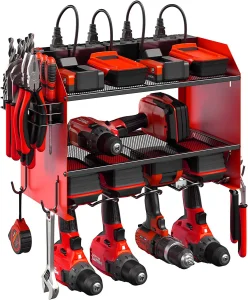
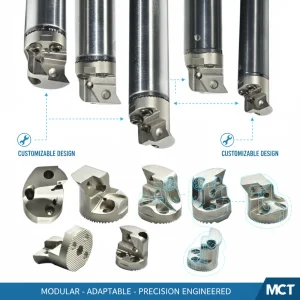
Complementary products from our CNC lathe chucks, micro-boring sets, and organization systems.