Ricon Tools
Ricon Tools
Ricon Tools
Explore our elite range of high-accuracy boring systems, chucks, and dynamic live tooling designed for rigorous metalworking environments.
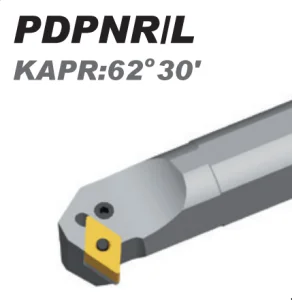
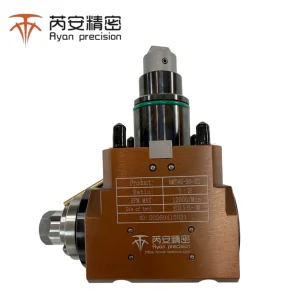
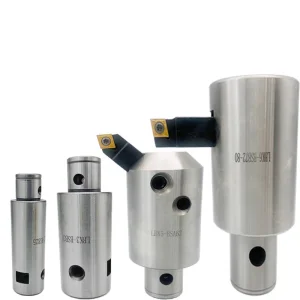
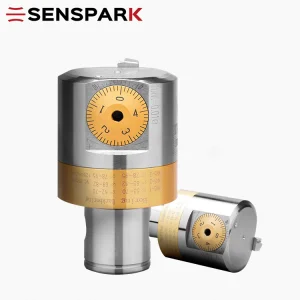
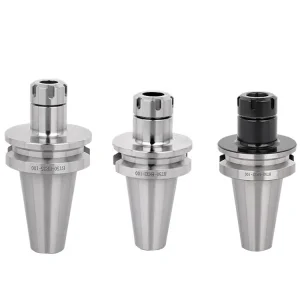
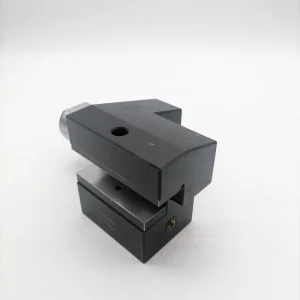
In modern industrial subtractive manufacturing, the overall performance of CNC milling, boring, turning, and multi-tasking centers is fundamentally constrained by the interface between the machine spindle and the cutting workpiece. Standardized general-purpose tools, while cost-effective for legacy setups, struggle under high-speed, high-feed, and exotic-material machining criteria. This is where Specialty Cutting Tools and precision tooling systems become critical.
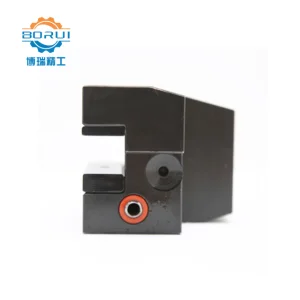
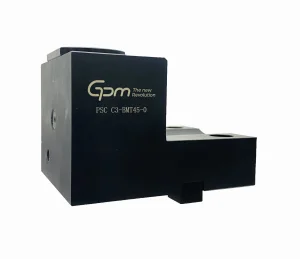
Advanced industries—ranging from automotive powertrain manufacturing and defense aerospace components to fine woodworking and medical implant fabrication—rely heavily on micrometer-level runout tolerances and superior dynamic stability. Modern tool holders, such as the balanced VDI standards, BMT turrets, and micro-adjustable boring units, are not merely supportive components; they are engineered sub-assemblies that absorb cyclic vibrations, dissipate high thermal loads, and maintain spindle alignment at speeds exceeding 25,000 RPM.
Shandong Ricon Tools Co., Ltd. stands as a premier manufacturer specializing in the research, development, production, and sales of high-precision machine tool accessories. Over years of development, we have aligned our production facilities with advanced European standards, ensuring that every tool holder, boring bar, and dynamic chuck satisfies rigorous tolerance benchmarks.
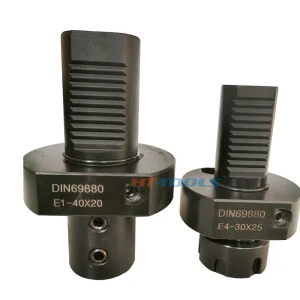
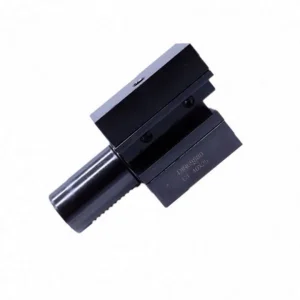
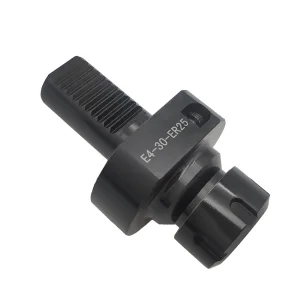
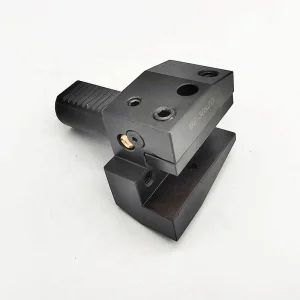
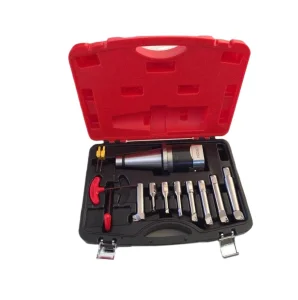
Our product portfolio encompasses 4-jaw woodworking chucks, American quick-change tool holders, DIN69880 VDI tool holders, precision boring heads, ER collet chucks, milling chucks, high-pressure drill chucks, CNC tooling accessories, and other custom precision-machined elements. Each components undergoes intensive heat-treatment processes using high-grade 20CrMnTi alloy steel, bringing the surface hardness to HRC56-60, which provides a resilient core to survive continuous impact loads.
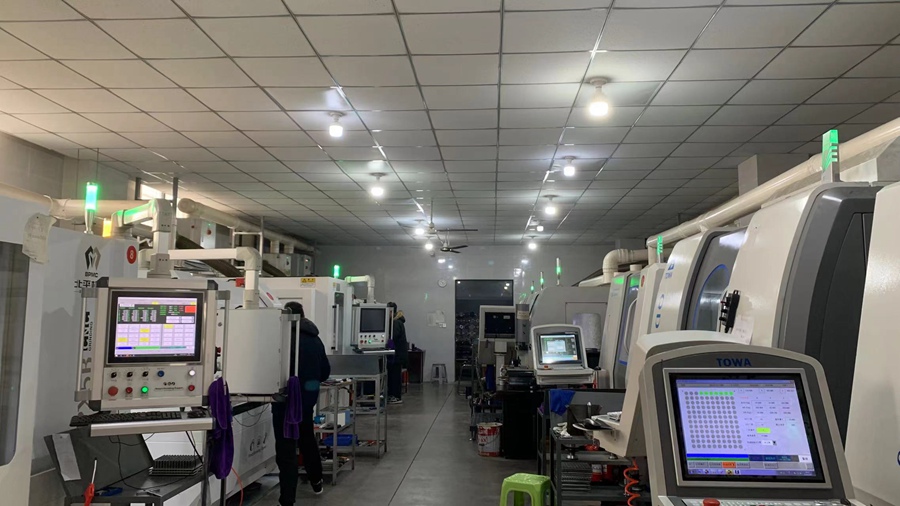
Advanced CNC Operations
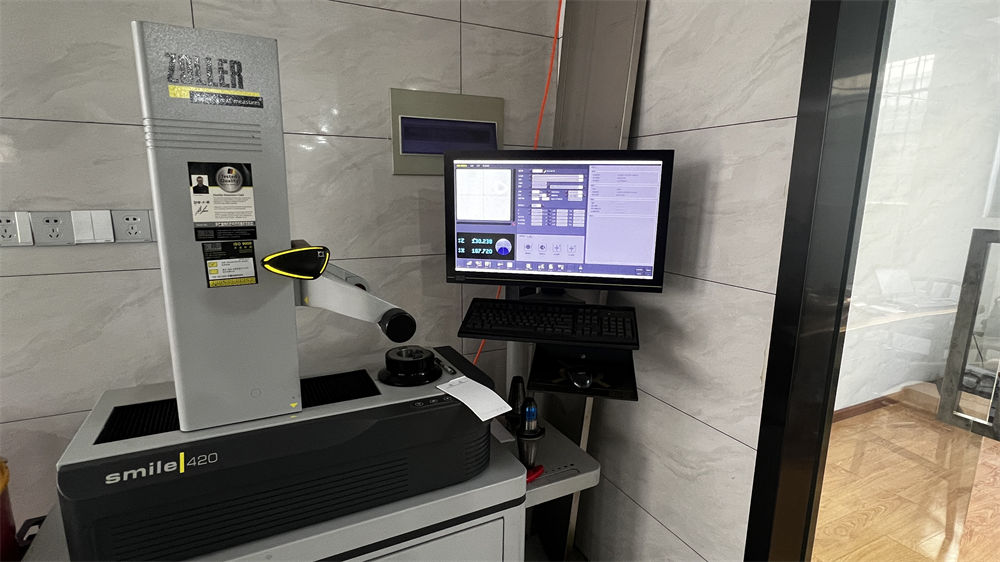
Precision Inspection Area
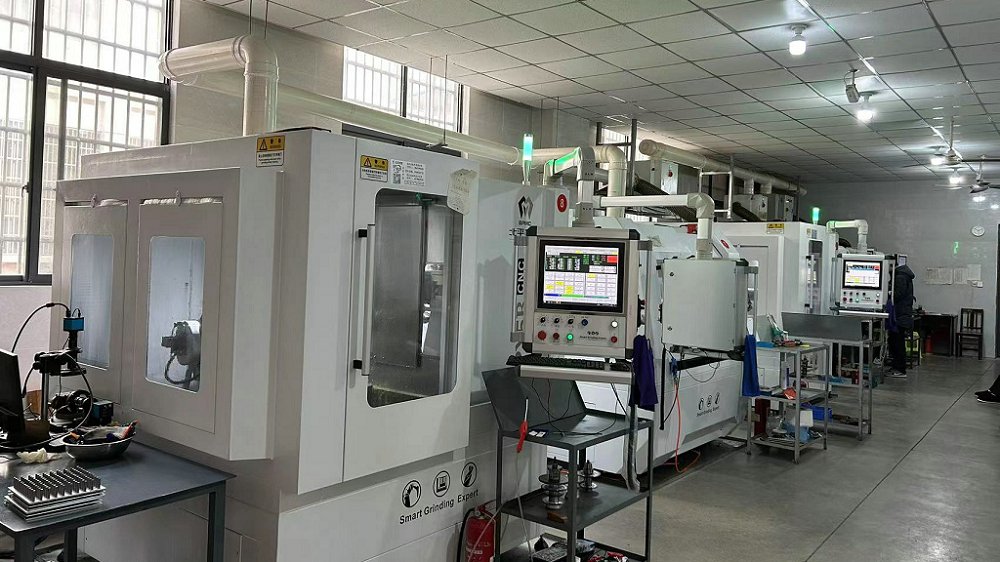
CNC Machining Center
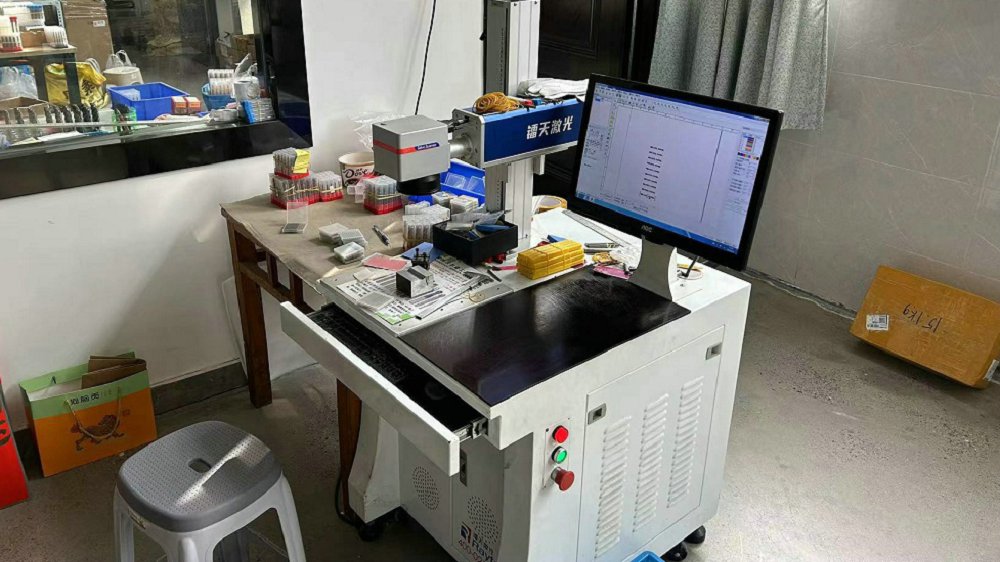
Laser Marking & Identification
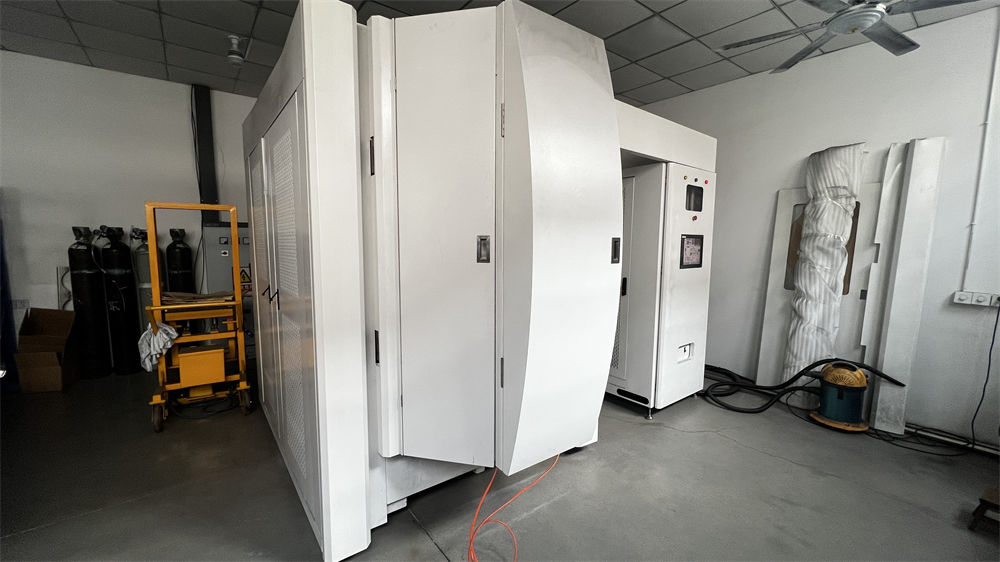
High-Durability Coating Line
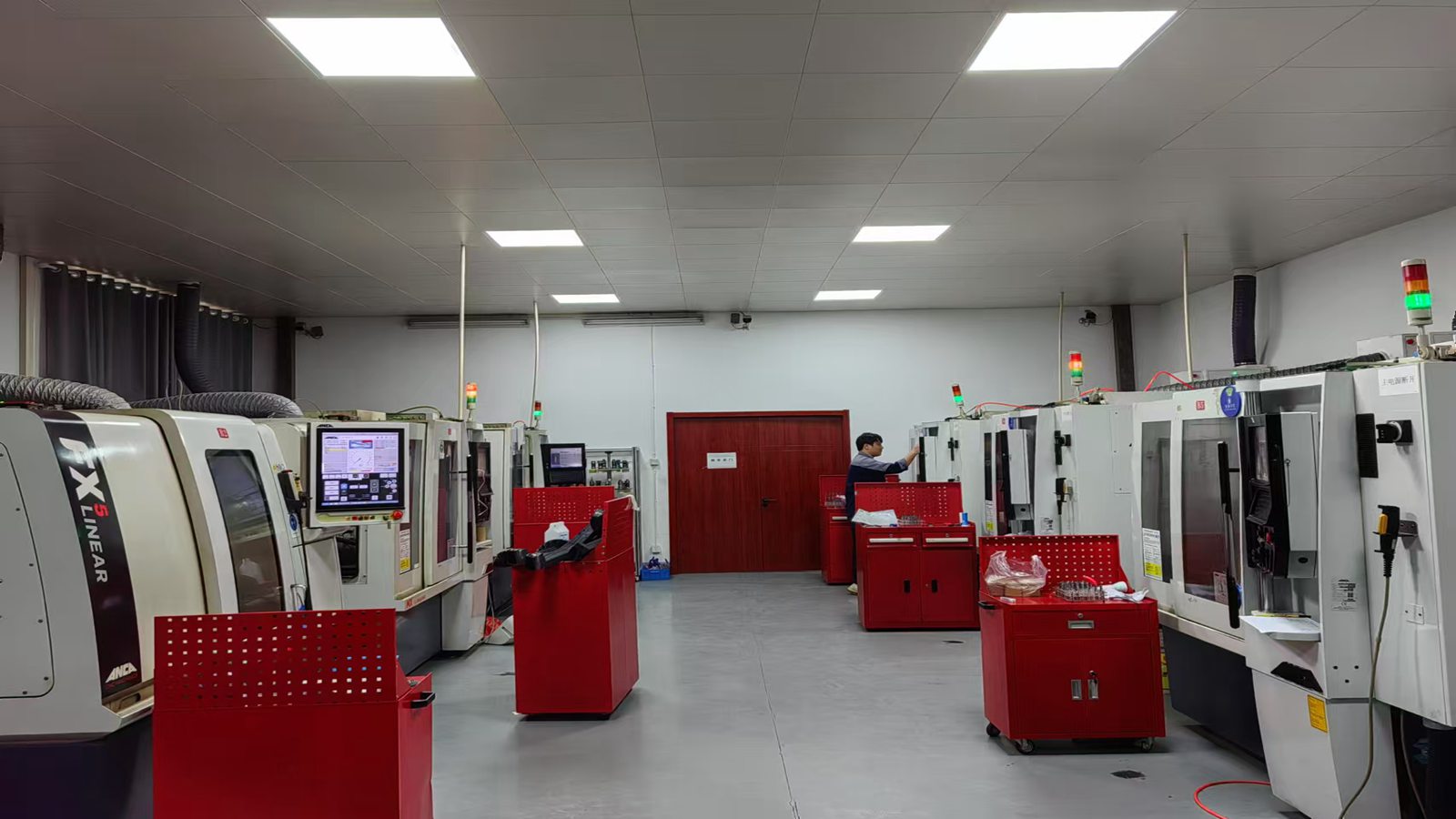
Precision Milling & Grinding 1
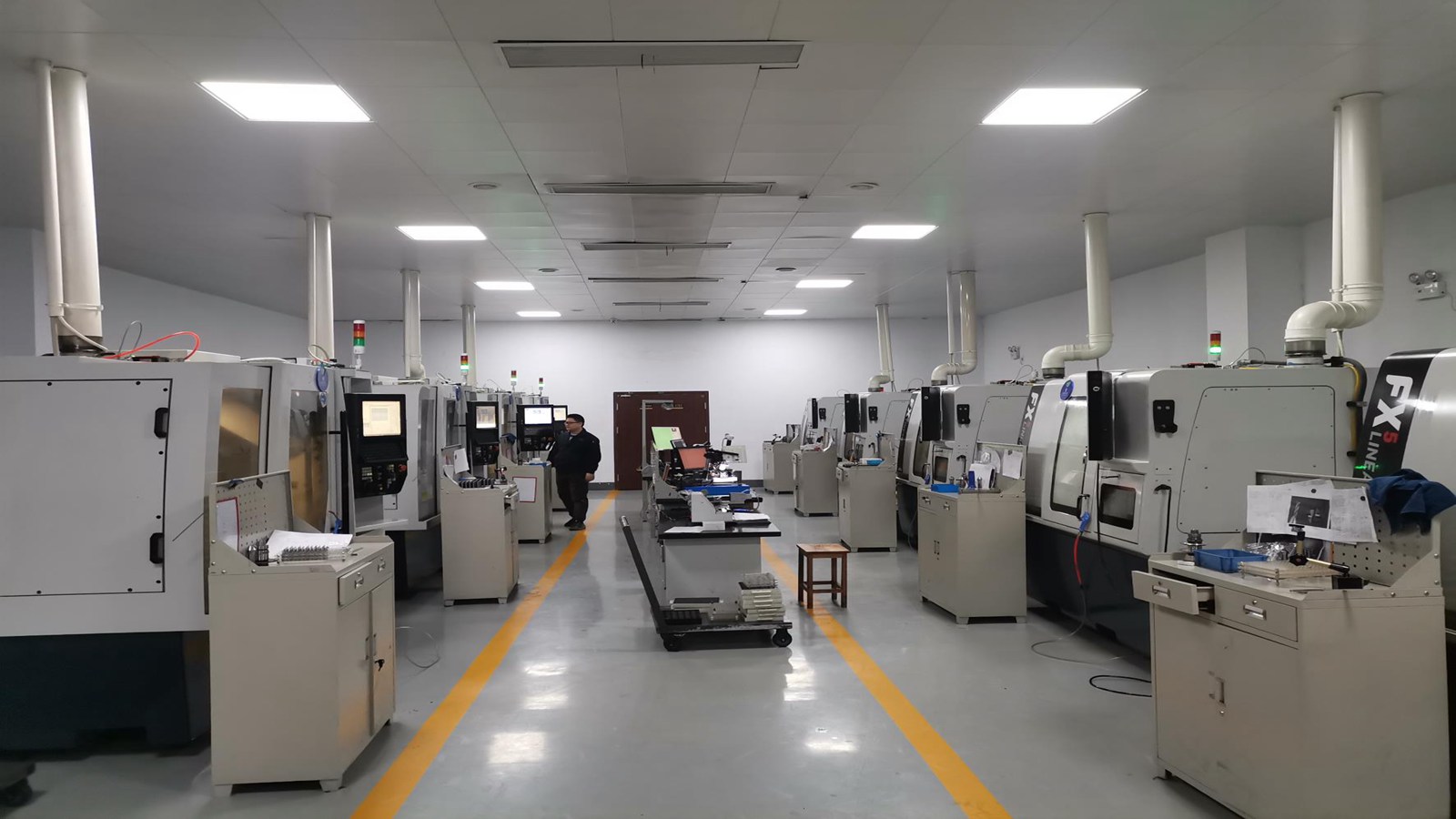
Precision Milling & Grinding 2
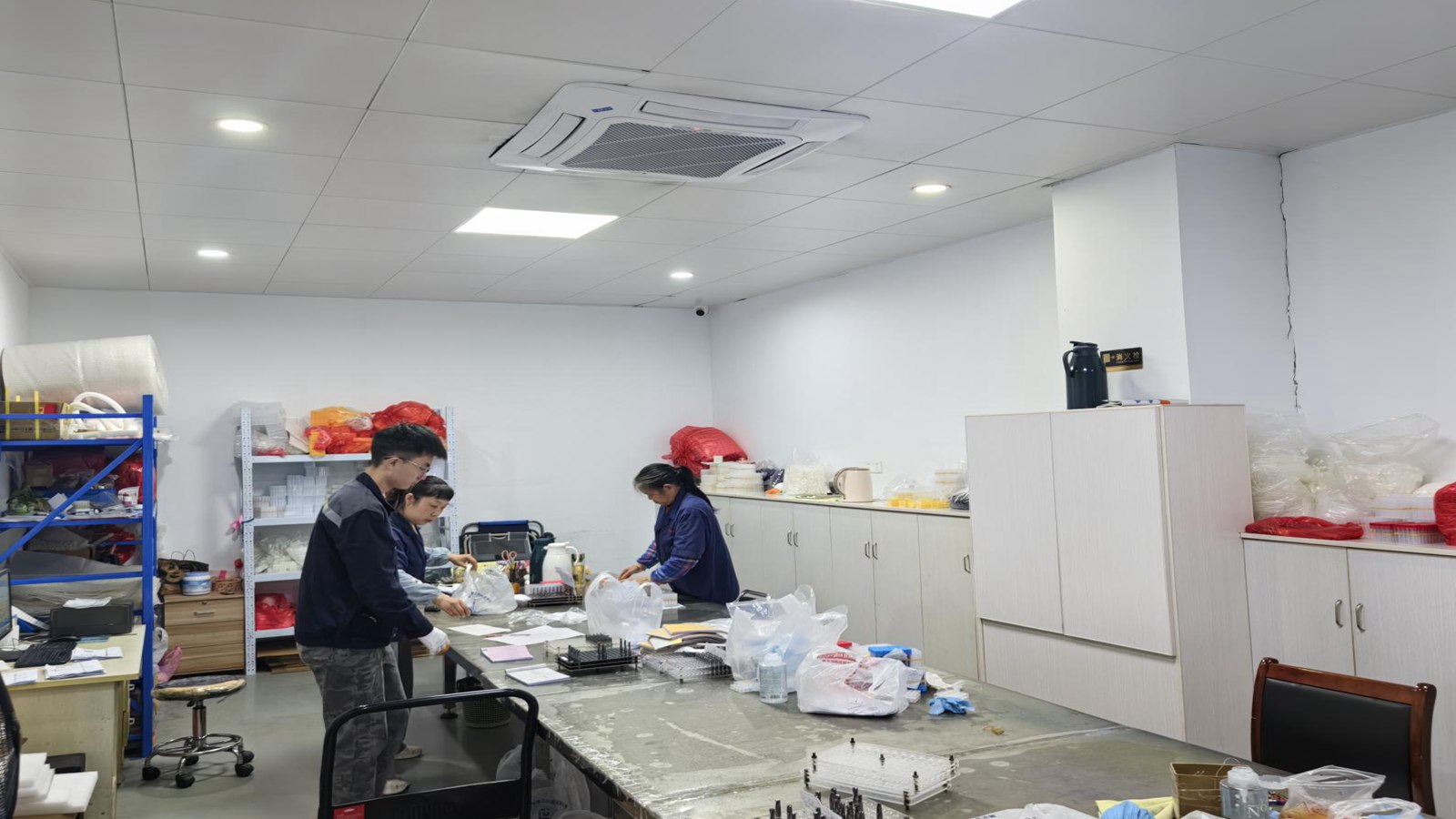
Strict Packaging & Shipping Prep
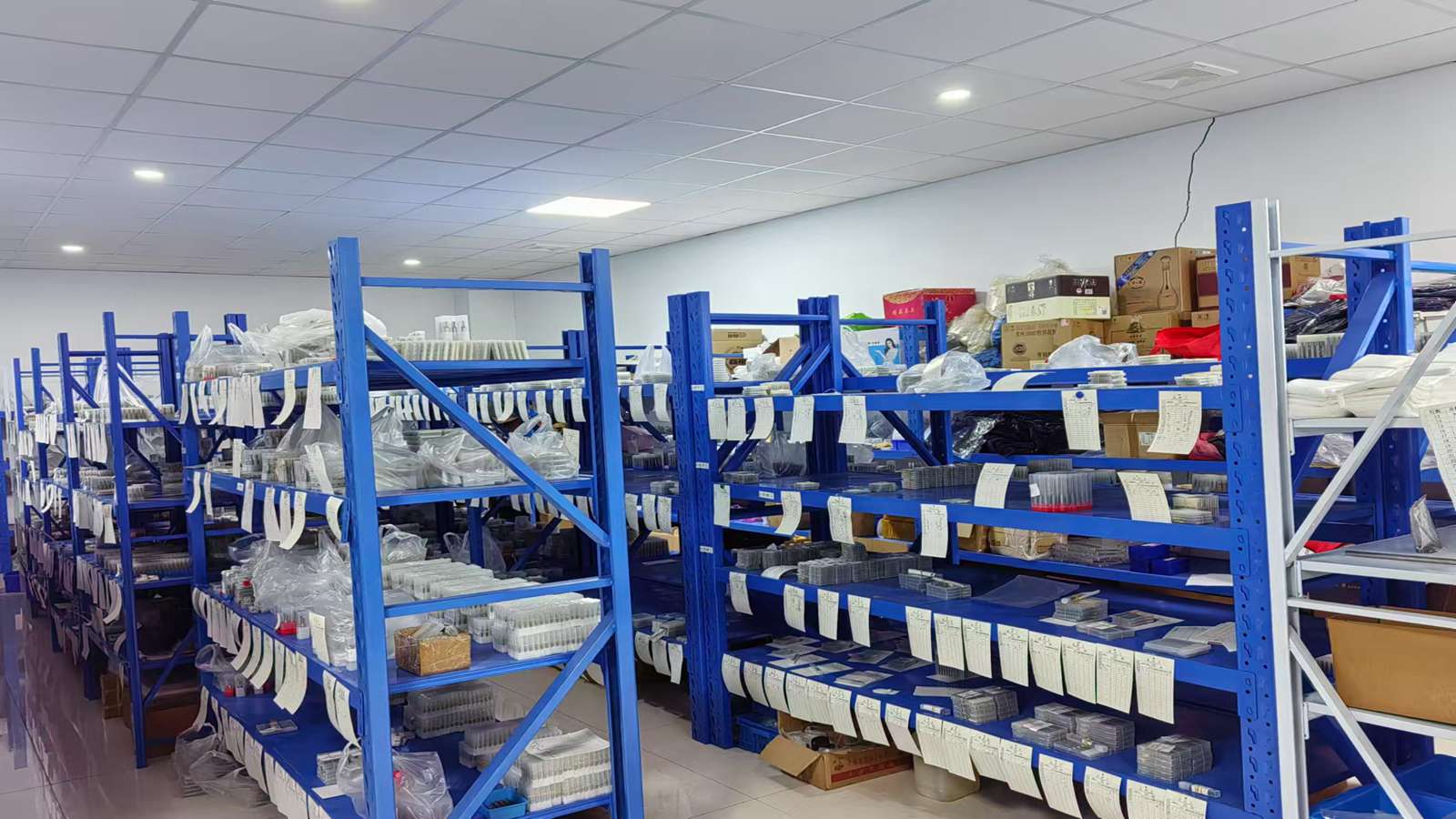
Climate-Controlled Warehouse
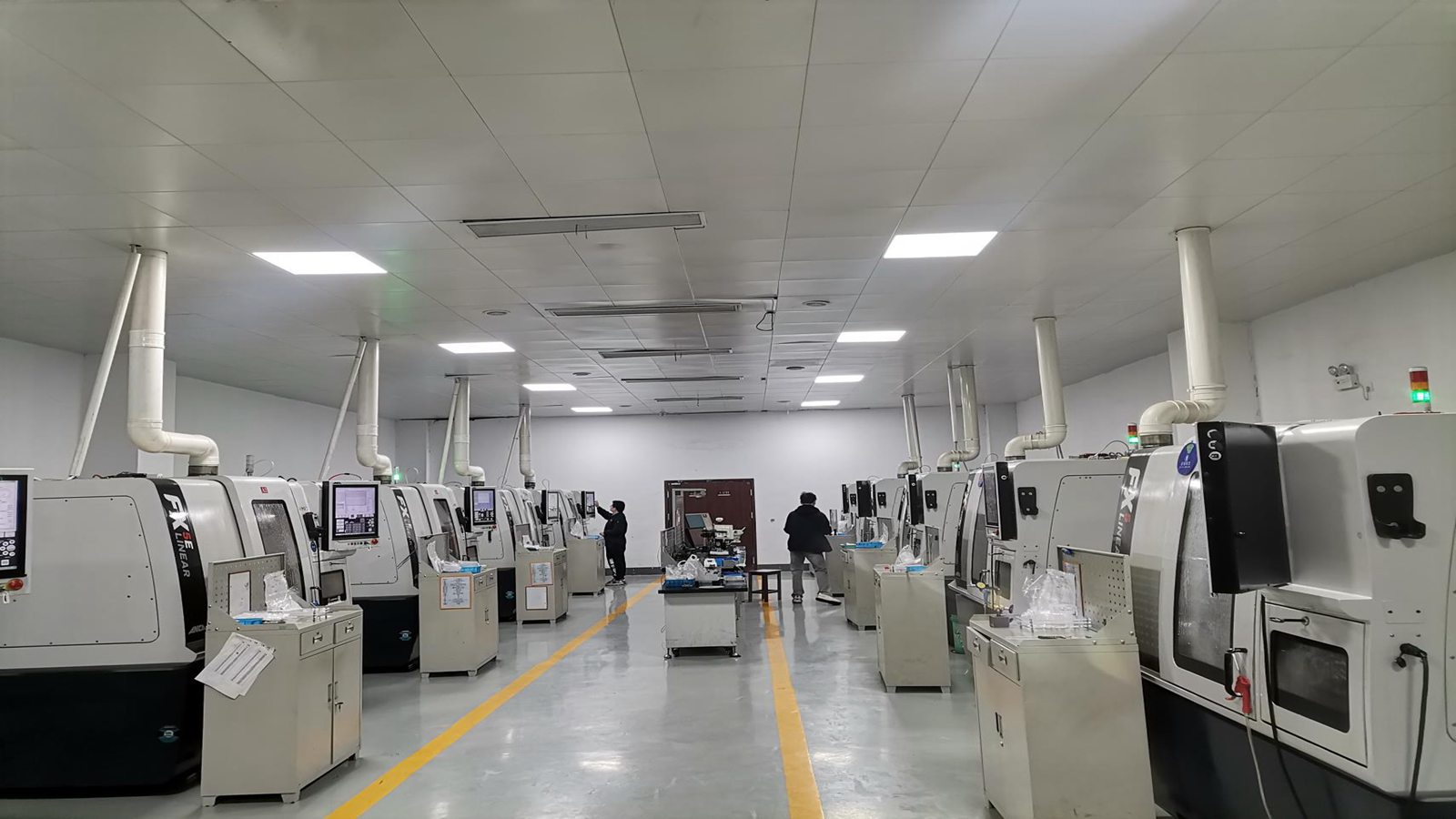
Heavy Lathe Infrastructure
To ensure high quality, Ricon Tools has invested in automated cylindrical and internal grinding machinery, CNC lathes, laser mark machines, and specialized thin-film coating reactors. Our export footprint covers over 30 countries and regions, including the United States, Germany, Italy, Russia, Australia, and the Middle East, cementing our status as a trusted Tier-1 supply partner.
Global procurement teams are shifting focus from simply seeking low unit costs to seeking comprehensive manufacturing ecosystems. China's manufacturing sector for specialty cutting tools provides several key advantages:
Access to premium-grade alloy steels (such as 20CrMnTi, H13, and specialized tungsten carbide substrates) allows factories to manage quality starting at the raw material phase, mitigating impurities that lead to premature stress fractures.
Integrated design offices utilizing modern CAD/CAM software suites can generate custom drawings and machine prototype components within 48 to 72 hours, reducing time-to-market compared to Western competitors.
Advanced coating technologies (such as PVD, CVD, and DLC coatings) are integrated directly into local production lines, providing high thermal barriers and sliding coefficients to prevent built-up edge (BUE) defects.
The manufacturing sector for specialty cutting tools is undergoing a major technological shift. Key trends driving this evolution include:
Different industrial sectors require distinct machining strategies. Our engineering team designs optimized setups tailored to these specific needs:
| Industry Sector | Machining Challenge | Selected Solution Component | Performance Impact |
|---|---|---|---|
| Aerospace Housing | High-strength alloys (Titanium/Inconel), extreme vibration risk, tight concentricity. | Custom Balanced ER & BT40 Tool Holders with deep thermal shrink. | Minimizes spindle deflection; extends expensive solid carbide tool life. |
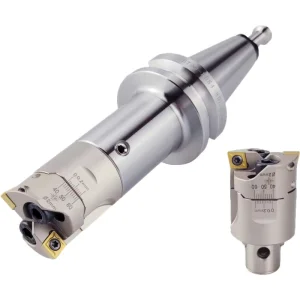
| Automotive Powertrain | Continuous high-volume boring of engine blocks, requiring low-roughness surfaces. | Micro-Adjustable Fine Boring Systems (NBH2084 / BSA series). | Sub-micron adjustments; ensures cylinder bore roundness over high production volumes. |
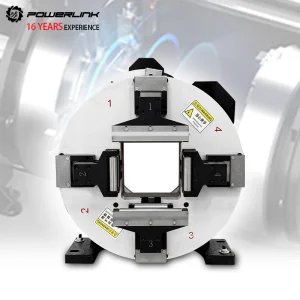
| Heavy Laser Tube Cutting | Clamping long structural steel tubes at high rotational speeds without deformation. | 160mm 4-Jaw Pneumatic Rotary Chucks. | High clamping force, automated open/close, maintains centering accuracy over long runs. |
| Woodworking & Molding | Abrasive composite materials, variable grain structures, high centrifugal forces. | 4-Jaw Woodworking Chucks and high-speed router collets. | Eliminates slipping risk; delivers clean edges without splintering or tear-out. |
When selecting a manufacturing partner for specialty cutting tools and accessories in China, technical buyers should evaluate the following criteria to ensure high quality:
Engineered to international DIN & ISO standards, our secondary range of premium holders delivers reliability for high-feed lathe setups.