Ricon Tools
Ricon Tools
Ricon Tools
Premium Grade Precision Machining Interfaces Configured for High-Performance Environments
Traditional fastening and tool-clamping solutions rely almost entirely on friction to maintain preload. Under dynamic loads, cyclical thermal expansion, and mechanical vibration, friction coefficient variance often leads to clamp load loss, resulting in mechanical joint failure or machining errors. Wedge-locking technology redefines this dynamic by utilizing tension rather than friction.
By integrating a system of mating cams with a ramp angle (α) that exceeds the thread pitch angle (β), the wedge-lock interface creates a secure barrier against loosening. If a bolt or chuck element attempts to rotate loose, the mating cams are forced to slide against each other. Because the cam angle is greater than the thread pitch, the bolt is immediately tensioned, thereby increasing the clamping force and resisting any potential slippage.
For high-precision applications, particularly CNC chucking systems and heavy-duty structural joints in South Korea's industrial corridors, this self-locking dynamic represents the benchmark for operational safety and continuous structural integrity.
"Wedge-lock technology utilizes mechanical cam dynamics to transform rotational force into axial tension, ensuring the clamp force remains constant even under extreme harmonic vibrations where traditional friction-based washers fail completely."
This design satisfies the stringent requirements of DIN 25201, the global standard for mechanical locking systems under severe vibration conditions. Modern production standards require rigorous testing, including Junker vibration testing (DIN 65151), where wedge-locking fasteners show near-zero clamp loss, while traditional lock washers, split rings, and nylon-insert nuts loosen within seconds of exposure.
Clamp Preload Retention
International Compliance
Precision Concentricity
Global Export Footprint
South Korea’s advanced manufacturing ecosystem is characterized by its high-technology concentration, demanding strict quality compliance, consistency, and close tolerances. Key industrial regions in South Korea rely heavily on high-precision mechanical tooling and wedge-locking components to maintain competitiveness and safety standards:
High-torque stamping lines, engine assembly conveyors, and advanced robotic welding systems run 24/7. Traditional washers cannot withstand the rapid-cycle mechanical impulses, making DIN 25201 wedge-lock systems critical to preventing downtime on automotive production floors.
Shipbuilding involves massive marine diesel engines, propulsion shafts, and hull components subjected to low-frequency marine vibrations and highly corrosive sea spray. These environments require duplex stainless steel (e.g., UNS S32750/Hastelloy C-276) wedge-lock washers to prevent stress corrosion cracking and vibration loosening.
Semiconductor lithography, etching, and cleanroom vacuum packaging tools utilize high-speed robotic picking and positioning mechanisms. Precision collet chucks and micro wedge-lock washers (M3 to M6) maintain alignment under high acceleration profiles, minimizing particle generation caused by joint rubbing.
As South Korean manufacturers transition toward smart factory structures and autonomous production lines, the cost of unexpected component loosening has increased. Integrating smart sensor diagnostics and high-tensile wedge-locking joints ensures that plants maintain high operational availability and structural safety.
Custom Engineered Materials and Dimensional Standards for Rigorous Marine and Industrial Environments
High-integrity wedge-locking performance is directly related to material hardness, mechanical properties, and surface coatings. Friction profiles must be controlled to prevent thread galling while maintaining standard cam-slip dynamics. Shandong Ricon Tools Co., Ltd. utilizes advanced metallurgy and coatings designed for industrial environments:
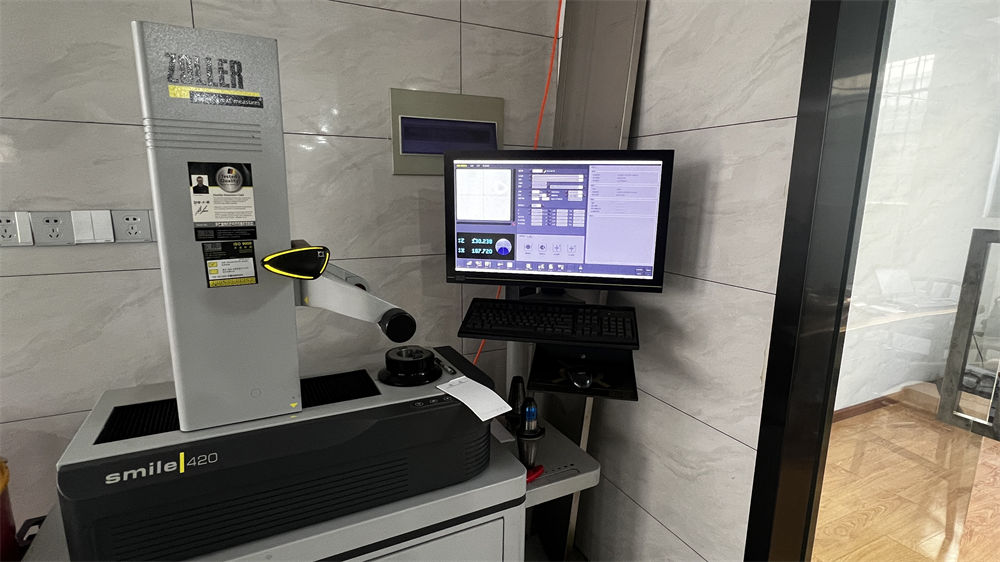
To ensure consistent quality, every batch of wedge-lock washers undergoes micro-hardness testing and 3D profilometer inspection. This ensures that the cam teeth profiles have the correct geometric clearance to lock onto the mating bolt and structural surfaces, preventing premature wear during installation.
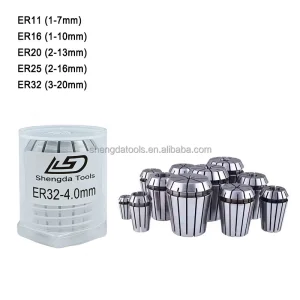
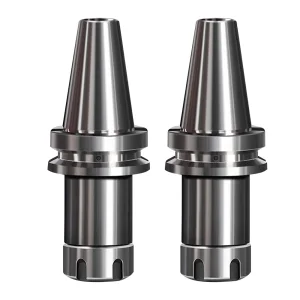
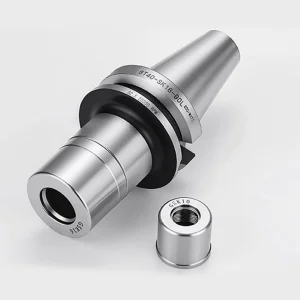
Shandong Ricon Tools Co., Ltd. is a manufacturer specializing in the research, development, and production of precision machine tool accessories and mechanical fastening systems. With years of manufacturing experience, Ricon Tools supports the global metalworking, construction, and manufacturing sectors. Our portfolio includes quick-change tool holders, wood-turning chucks, boring heads, ER collet chucks, milling chucks, drill chucks, CNC tooling, and DIN 25201 compliant wedge-locking systems.
Based in Shandong, China—in close geographic proximity to South Korea—we have built an efficient supply chain designed for the East Asian industrial corridor. Our close proximity to ports like Qingdao enables shipping transits of less than 24 hours to major Korean ports, including Incheon and Busan. This allows us to offer just-in-time delivery and rapid response times for Korean industrial distributors and OEM assembly lines.
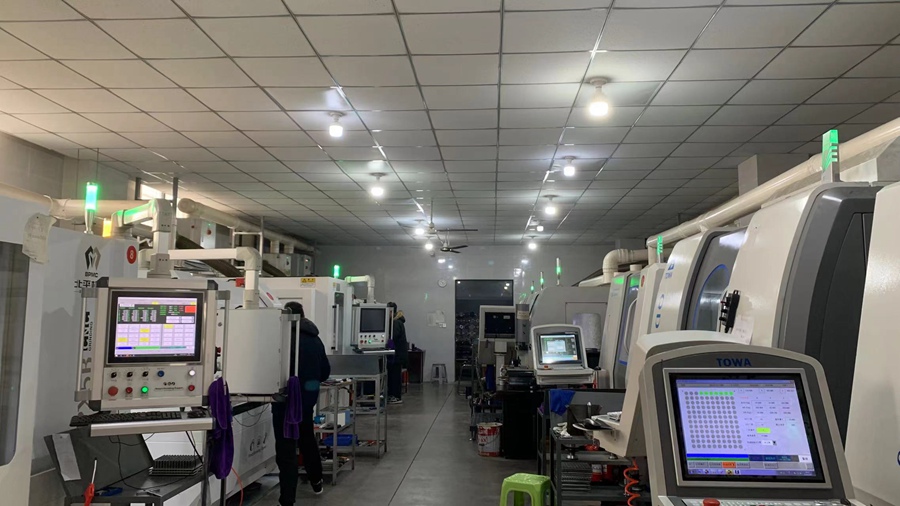
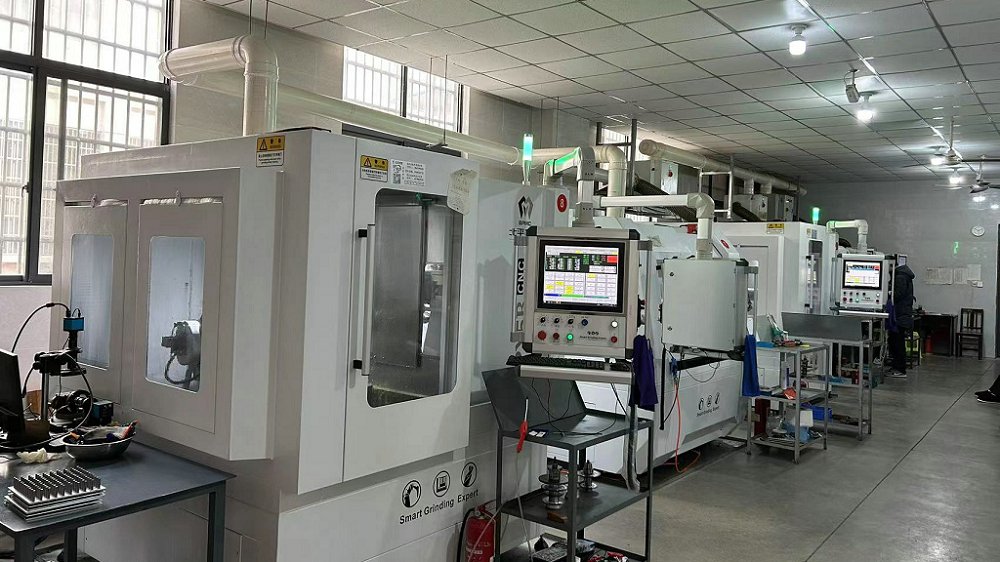
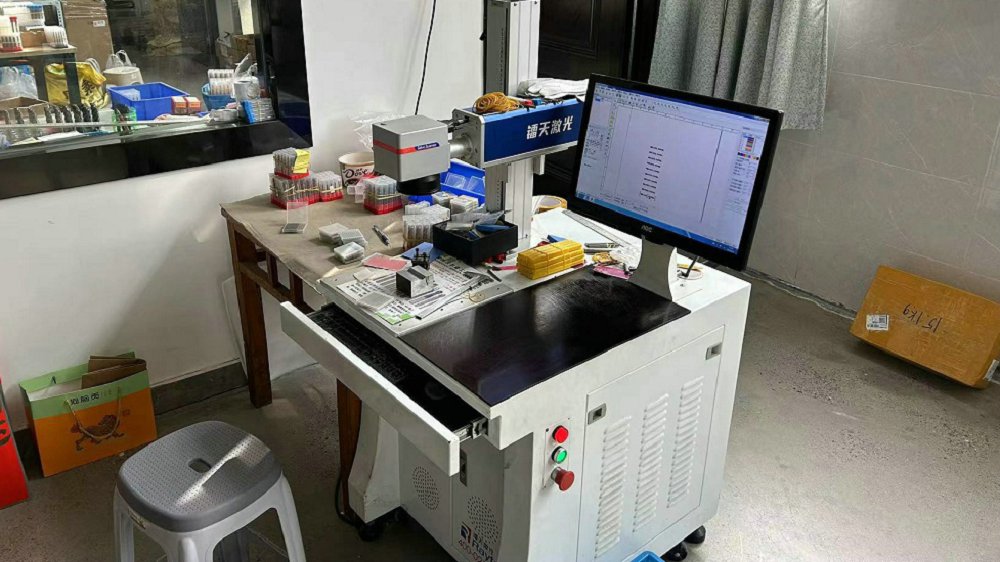
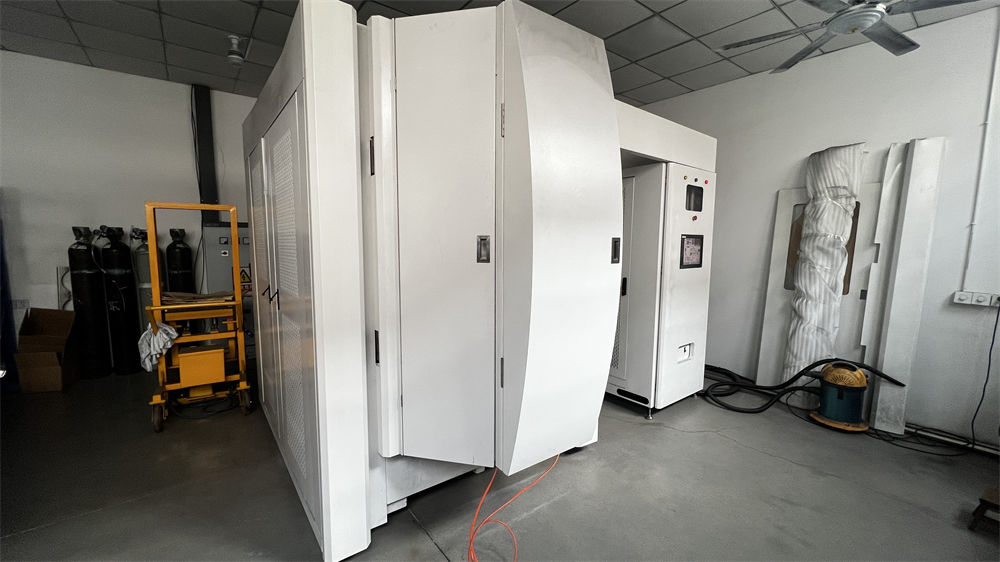
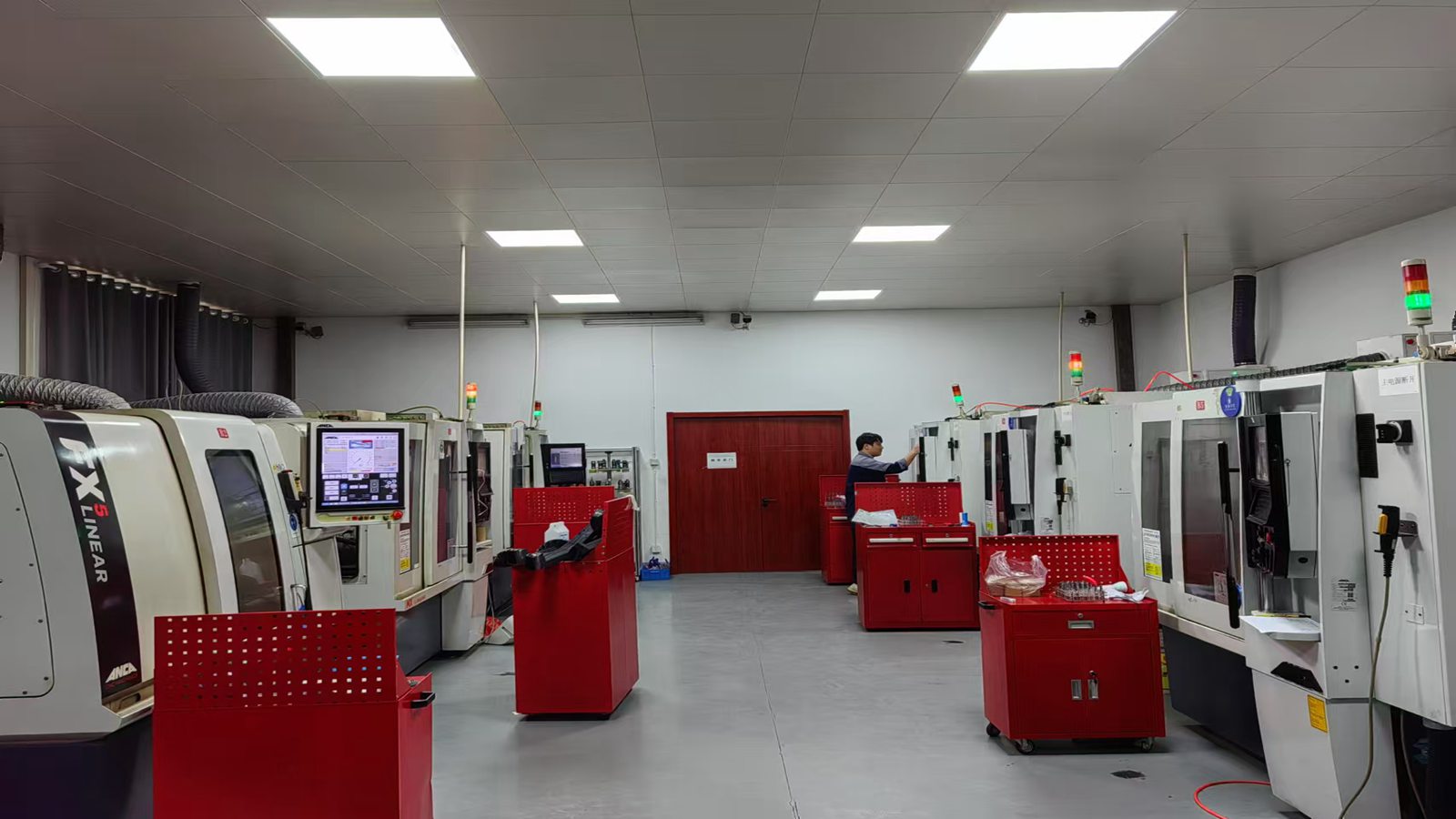
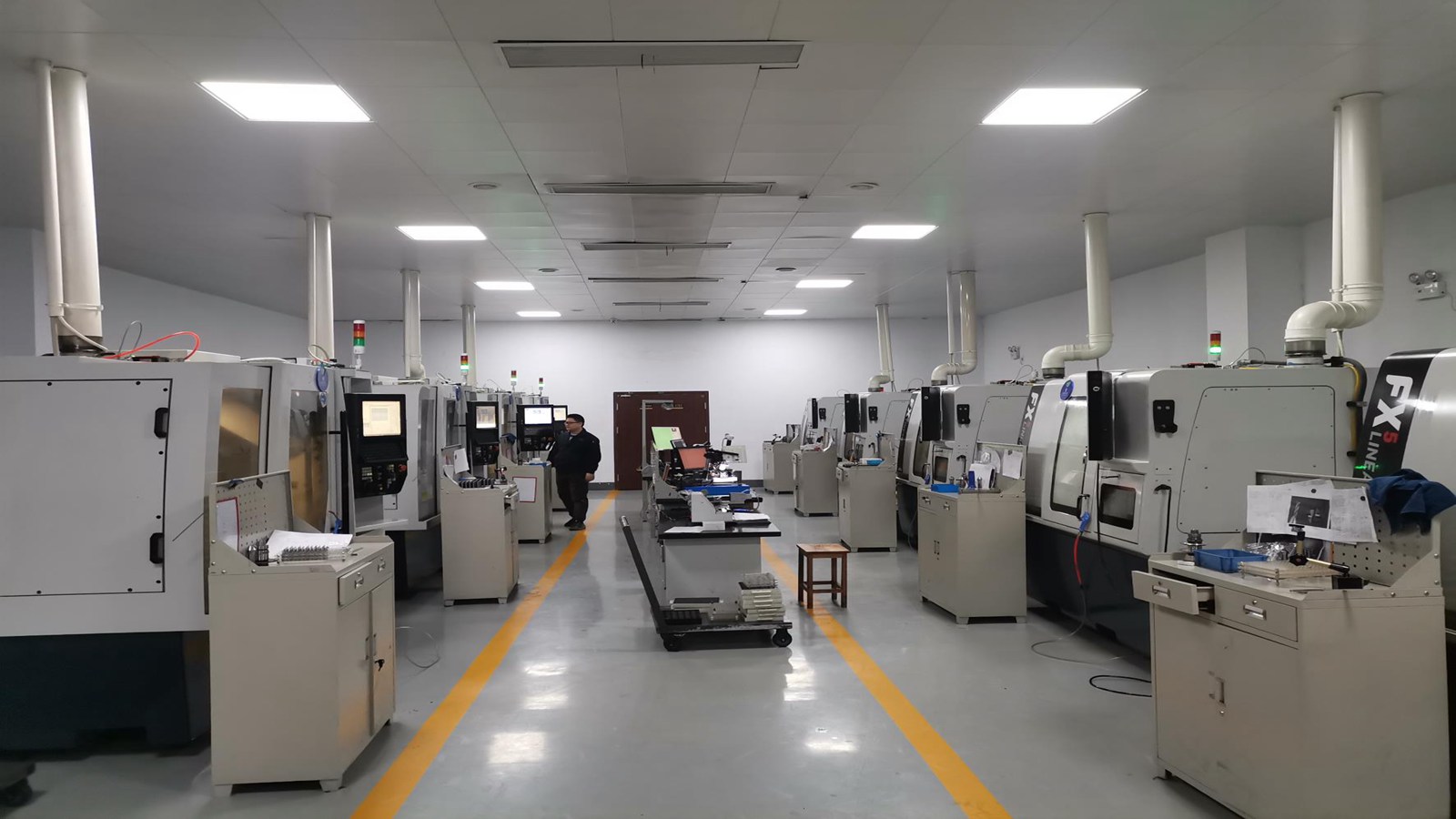
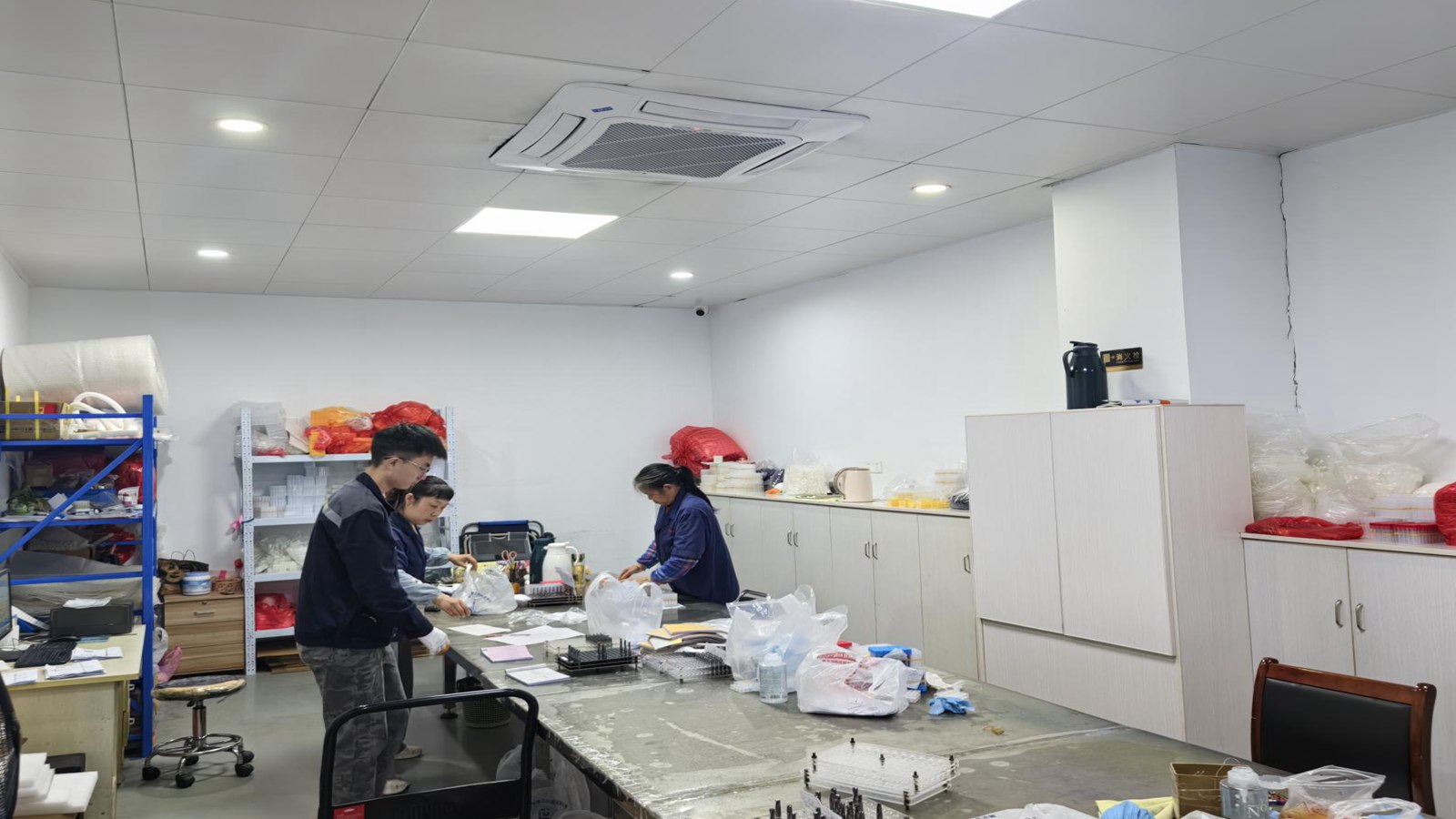
Our manufacturing plant is equipped with modern, automated CNC machining centers, high-capacity mechanical grinding systems, and automated coating production lines. We maintain strict control over raw material sourcing, in-process machining clearances, and final surface finishes, enabling us to deliver reliable products at competitive prices.
"Quality First, Innovation Driven, Customer Focused" - We prioritize technological innovation, investing in manufacturing processes and testing facilities to meet the rigorous quality standards of the global industrial market.
The manufacturing industry is shifting from mechanical joints to sensor-integrated systems that provide real-time monitoring of machine parameters. This integration helps identify potential structural issues early, reducing operational risk and unplanned downtime.
Future tool holder systems will feature integrated strain gauges and wireless transmitters. These "smart chucks" measure the exact clamping force during high-speed machining, sending data directly to the CNC controller. If clamping force drops below safety margins due to centripetal expansion or tool wear, the system halts operations immediately, protecting the workpiece, tool, and operator.
For offshore oil platforms, subsea pipelines, and marine energy projects, we are developing advanced hybrid alloy coatings. By combining high-nitrogen stainless steels with multi-layered physical vapor deposition (PVD) coatings, next-generation locking washers aim to offer over 2,000 hours of salt spray resistance while maintaining consistent friction coefficients, helping to prevent galling during high-torque installations.
Premium DIN 25201 Compliant Self-Locking Washers for Marine, Structural, and Mechanical Engineering Projects
Technical Reference & Guidelines for Wedge-Lock Fasteners
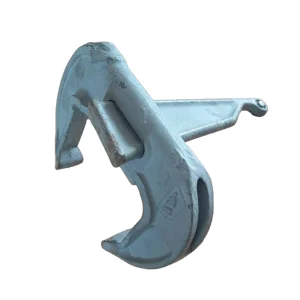
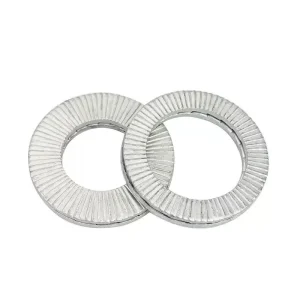
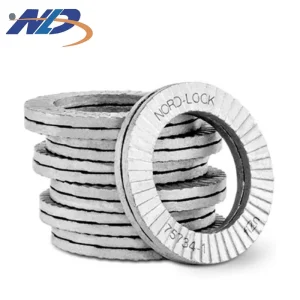
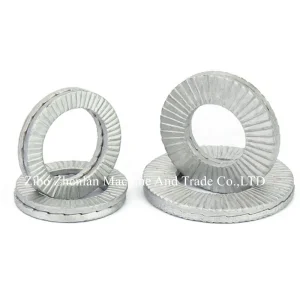
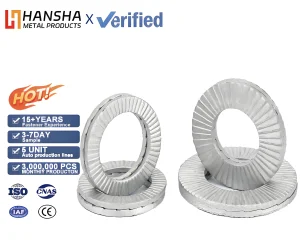
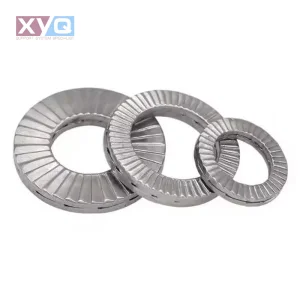
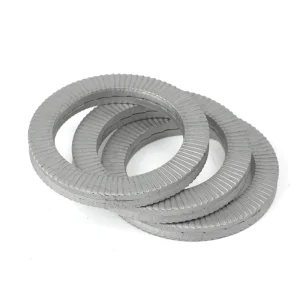
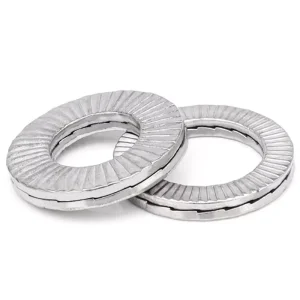
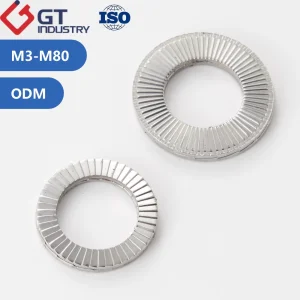
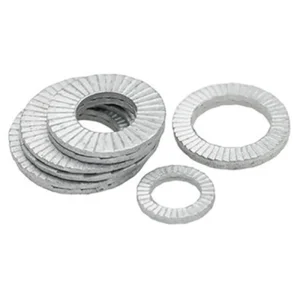
A wedge-lock washer consists of a pair of washers with mating cams on one side and radial teeth on the opposite side. The cam angle (α) is engineered to be greater than the thread pitch angle (β). When the fastener is tightened, the radial teeth grip the mating surfaces. If the bolt attempts to loosen due to vibration, the cams slide against each other. Because α > β, the wedge action increases the axial tension in the bolt, preventing the joint from loosening.
Yes, wedge-lock washers can generally be reused. Before re-installation, they should be inspected for wear or deformation on the cams and radial teeth. Lubricant should be reapplied to the mating threads and the washer's top contact surface to maintain a consistent friction coefficient and prevent thread galling during retightening.
Surface coatings like Dacromet and Geomet provide corrosion protection and help maintain a consistent friction coefficient. This is important for calculating installation torque and ensuring that the preload force remains within the target range. In marine or petrochemical applications, these coatings help prevent rust and corrosion, which can compromise the integrity of the locking joint over time.
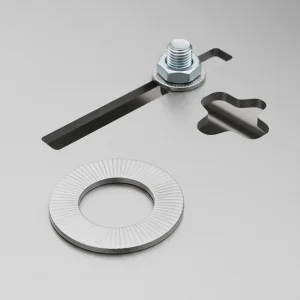
Yes, but they require a larger outer diameter configuration. For joints with slotted or oversized holes, use wedge-lock washers with an enlarged outer diameter (SP/large washers) combined with a flanged nut or bolt. This ensures that the clamping force is distributed over a larger surface area, preventing deformation of the joint interface.