Ricon Tools
Ricon Tools
Ricon Tools
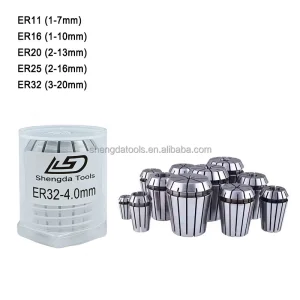
High-torque self-locking components and custom CNC machine chuck systems designed to eliminate vibrational loosening under extreme operating conditions.
As the energy capital of the world, Houston serves as the primary epicenter for heavy machinery, subsea petroleum extraction, refinery operations, and aerospace engineering. The equipment operating in these environments is subjected to relentless, multi-directional dynamic stresses, high thermal cycles, and marine corrosiveness. Under such conditions, traditional locking mechanism failures are a primary cause of non-productive time (NPT) and hazardous equipment failures.
The application of wedge-lock technology—specifically high-performance wedge-lock washers, clamping mechanisms, and precision chuck toolholders—has transitionally changed how structural engineering departments tackle vibration-induced loosening. By employing a geometry-based self-locking mechanic rather than relying solely on friction, wedge-lock chucks and washer systems maintain pre-tension loads indefinitely, minimizing structural fatigue and catastrophic component disconnections.
"In heavy drilling applications, high-frequency harmonics generated by drilling bits and rotary tables easily overcome the frictional resistance of standard helical spring washers. Wedge-locking mechanisms convert joint vibration into an increase in clamping force rather than allowing bolt back-out."
Maintains nominal joint preload during extreme physical movement, preventing unexpected downtime on drilling platforms and CNC milling lines.
Available in super alloys including Duplex 2507, Hastelloy C-276, and standard 316 Stainless Steel, resisting hydrogen embrittlement and chloride stress corrosion cracking.
Manufactured to adhere strictly to international standards including DIN 25201 and tested extensively utilizing standardized Junker transverse vibration equipment.
Traditional fasteners rely entirely on the contact friction between mating threads and the surface face of the joint. When subject to high transverse movement, the local coefficient of friction drops dramatically, causing the bolt to spin loose.
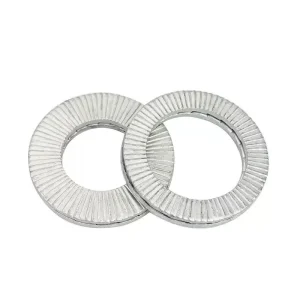
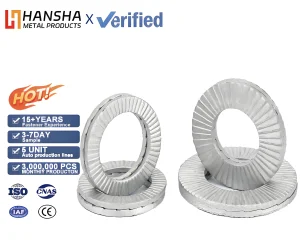
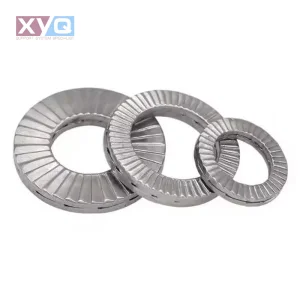
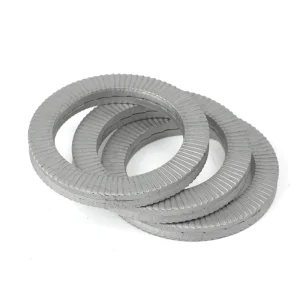
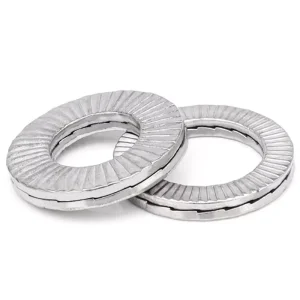
The wedge-lock system bypasses this vulnerability through mechanical design. A pair of wedge-lock washers contains cam faces on one side and radial teeth on the opposite side. The cam angle (α) of the washer interface is strictly designed to be greater than the pitch angle (β) of the thread.
When a bolted joint experiences transverse vibration, the cam interfaces are forced to slide against one another. Because the cam angle is greater than the thread pitch, the thickness expansion of the washers increases the tension load inside the bolt, effectively locking the assembly. This wedge effect guarantees that any rotation forces are countered immediately by an increase in clamp load.
Shandong Ricon Tools Co., Ltd. is a leading manufacturer specializing in the research, development, and high-precision production of CNC machine tool accessories and mechanical fastening systems. With years of experience serving critical global markets including the United States, Germany, and Australia, we supply custom solutions optimized for the specific demands of Houston’s energy, oil & gas, and aerospace manufacturing sectors.
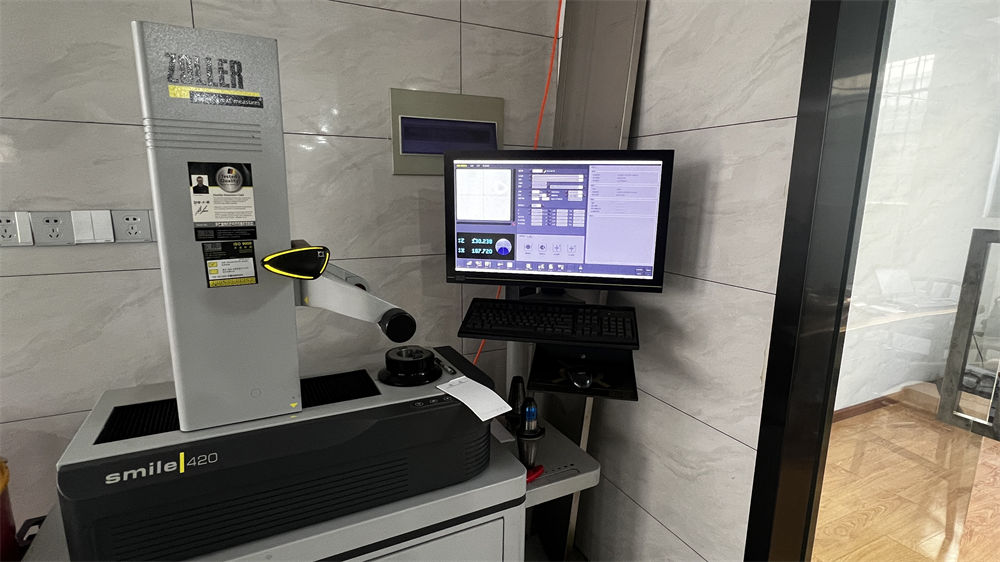
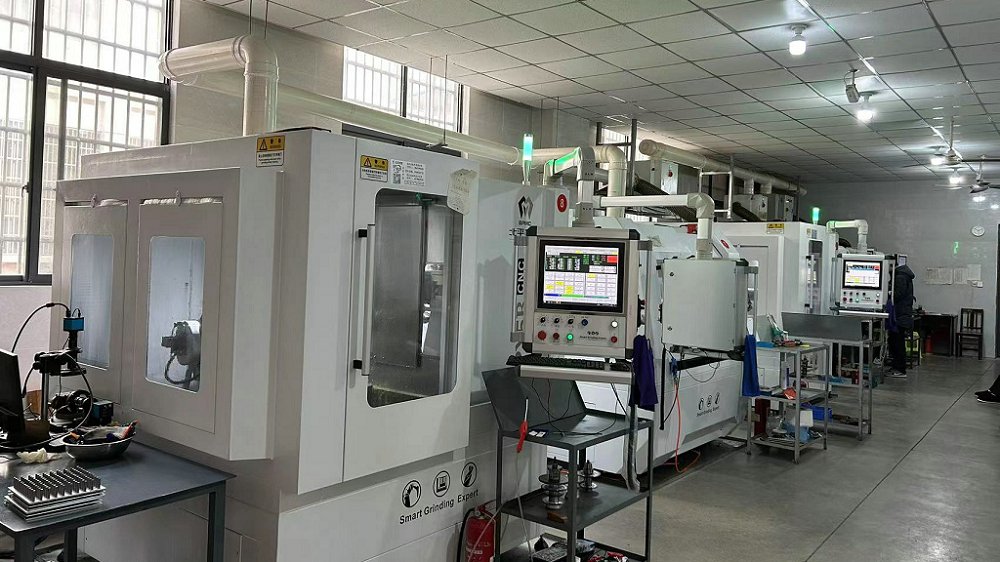
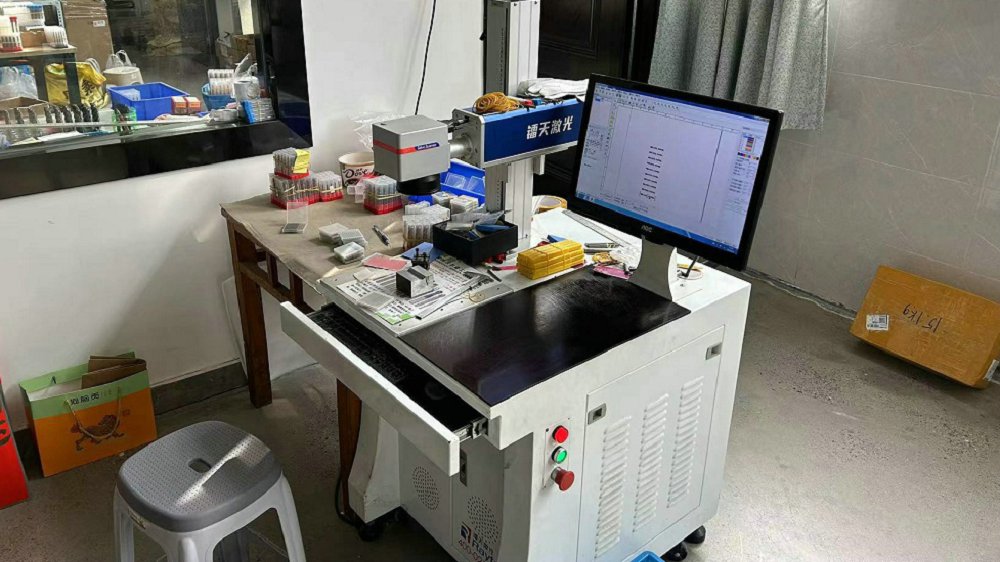
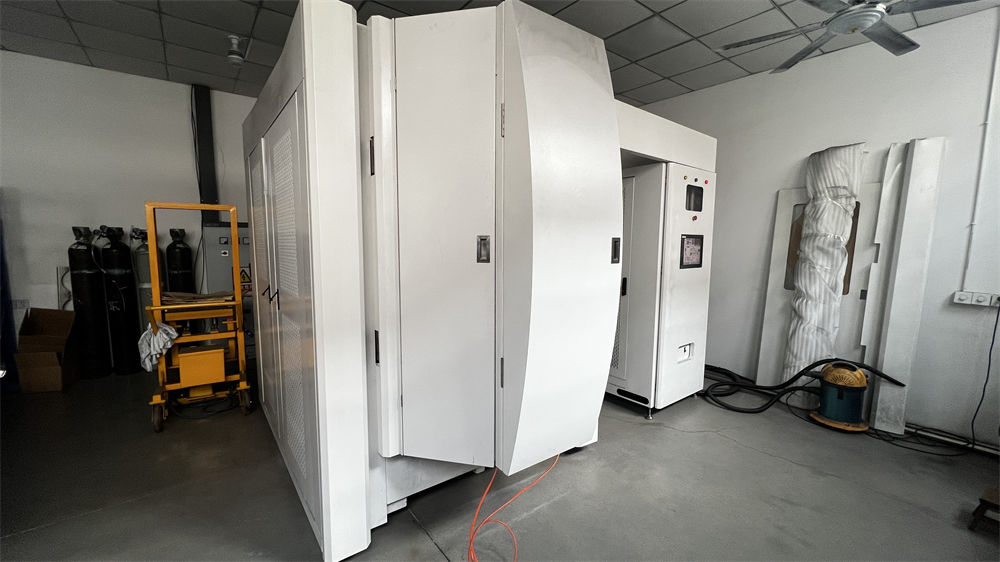
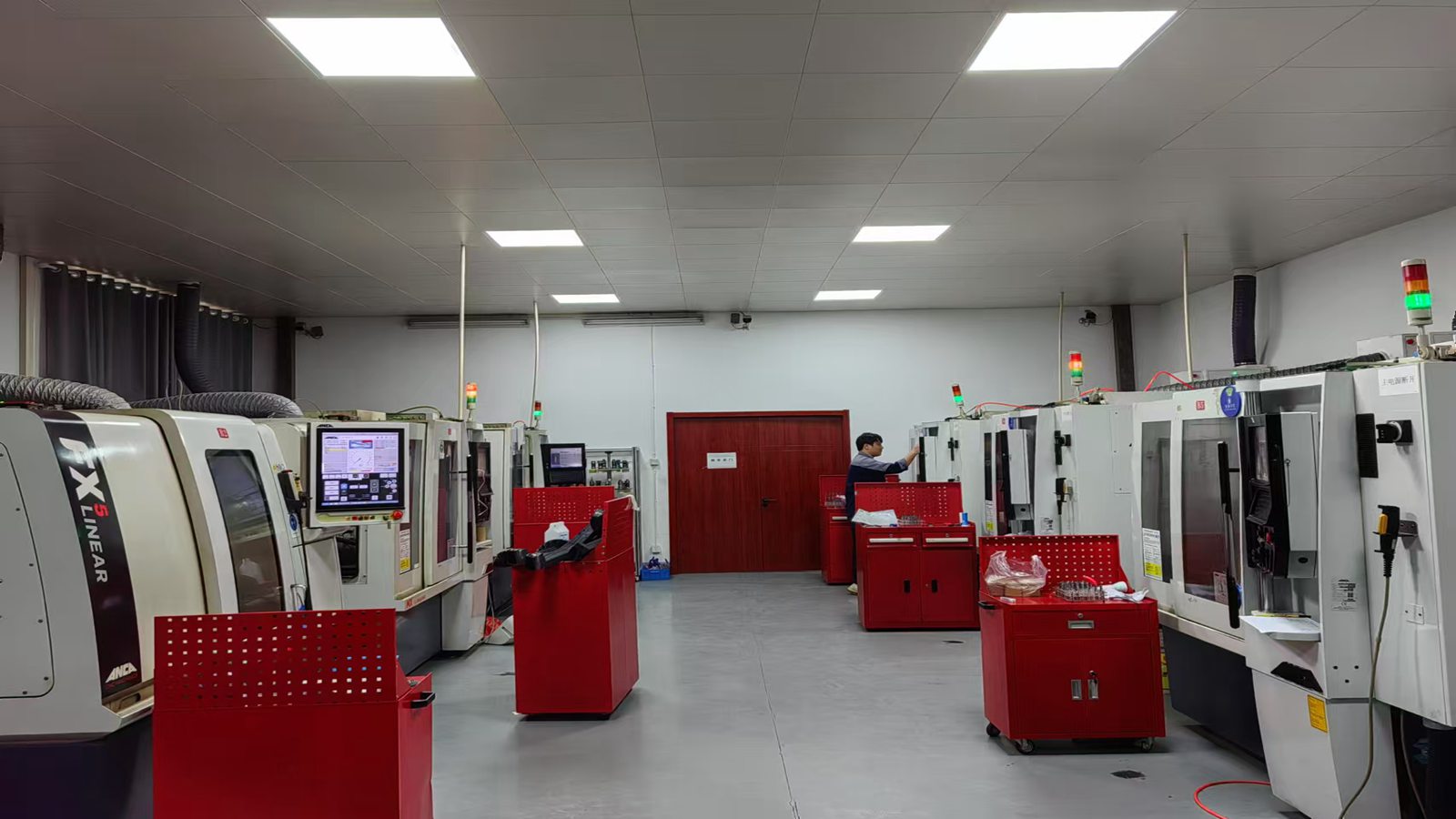
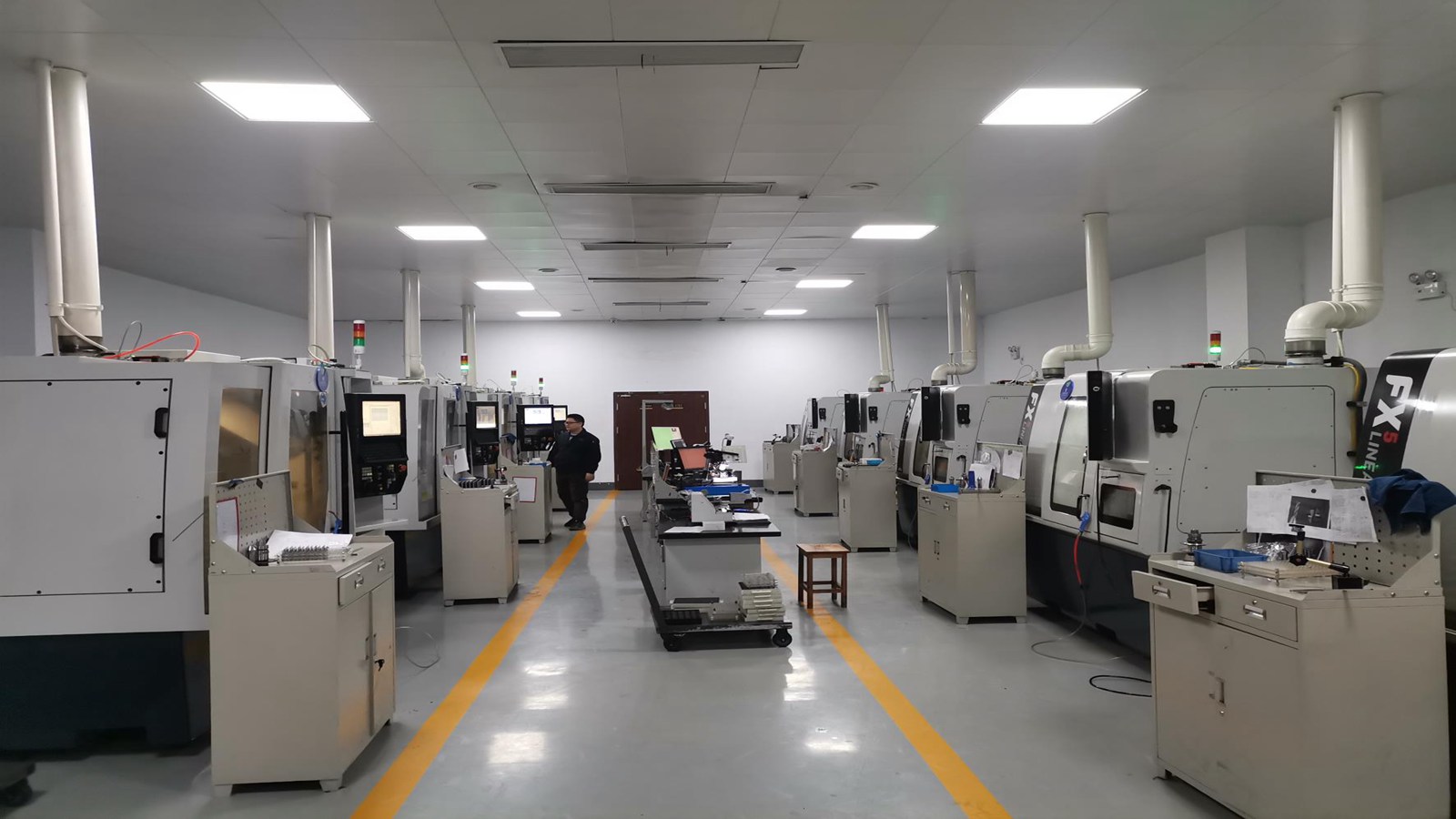
Our modern factory features advanced multi-axis CNC machining setups, dedicated heat-treatment cells, precision grinding centers, and state-of-the-art coating facilities. Our engineering department ensures all wedge-lock washers, collet chucks, and custom clamping elements are manufactured in accordance with strict international guidelines, providing complete traceability and batch-to-batch consistency.
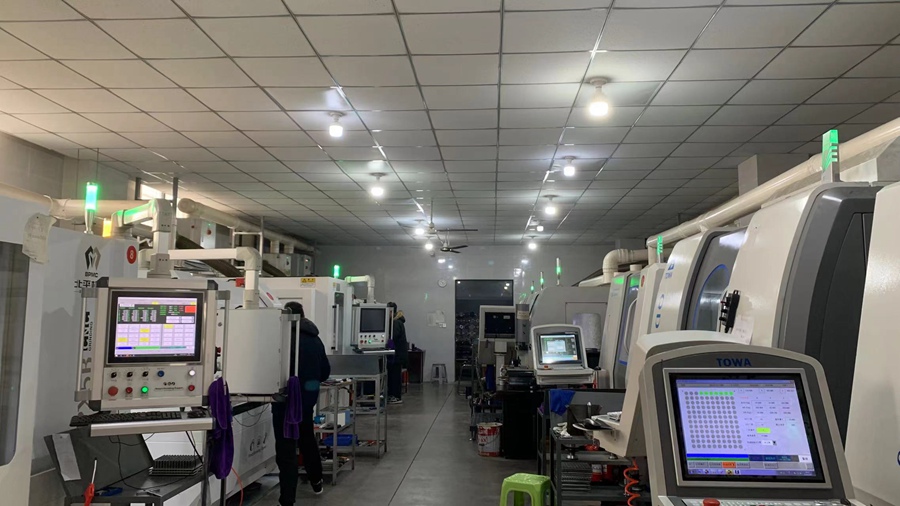
Marine platforms and subsea extraction equipment operating off the coast of Houston require critical protection against chloride-induced stress corrosion cracking (SCC) and galvanic degradation. To handle these demands, Ricon Tools provides specialized metal coatings and super alloy options tailored to offshore service lifetimes.
Our proprietary Dacromet and Geomet (zinc flake) coating lines deliver extreme salt spray resistance (up to 1,000+ hours without red rust), while keeping the metal substrate free of hydrogen embrittlement risks—a critical concern with traditional electroplating. For extreme service depths, our wedge-locking products are manufactured in Duplex Stainless Steel (2507) and Hastelloy C-276, providing long-term reliability in highly acidic, sour gas (H2S) environments.
Select from our comprehensive list of lock washers, custom-coated fasteners, and machine tool chuck systems built to international engineering standards.
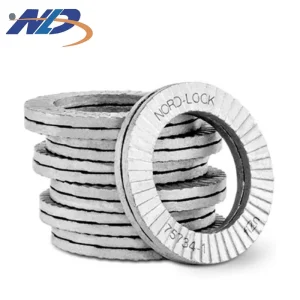
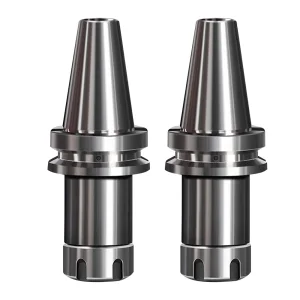
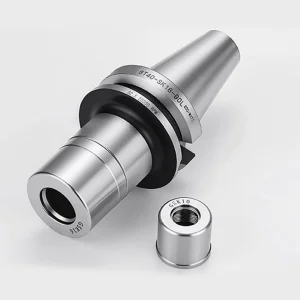
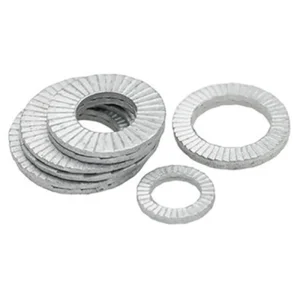
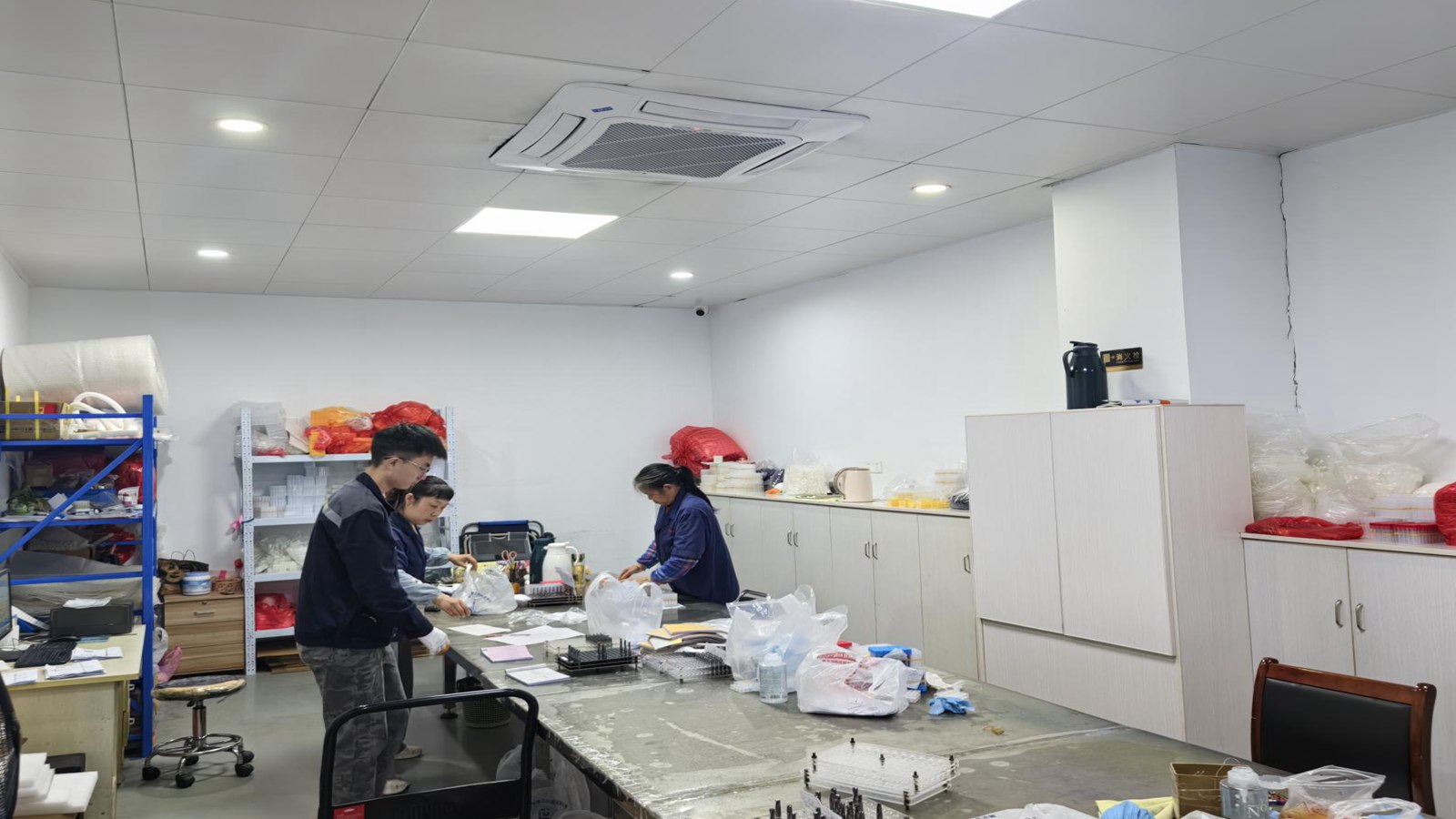
In manufacturing, consistency is paramount. A single substandard fastener or chuck assembly can compromise a multi-million dollar extraction system. To guarantee standard compliance, our in-house lab uses direct material spectrometer analyses, hardness testers, load verification stands, and coordinate measuring machines (CMM) to inspect every production batch before departure.
Furthermore, we maintain streamlined distribution logistics to the Port of Houston, supporting local distributors and enterprise OEMs across Texas. We provide custom labeling, optimized kitting options, and localized warehousing partnerships to ensure your assembly lines operate with minimal lead-time disruptions.
The next decade of mechanical joint development focuses on two main paths: ecological footprint reduction and digitalization. Traditional plating processes relying on heavy hexavalent chromium are being phased out in favor of sustainable, thin-film zinc-flake coats. These organic coatings offer equal or superior barrier protection without generating toxic chemical runoff.
Simultaneously, the industry is witnessing the arrival of smart fastening technologies. Incorporating strain-gauge systems and piezoelectric materials directly inside the joint allows structural engineers to receive real-time updates regarding preload status. This minimizes maintenance costs, prevents catastrophic shear stress failure, and changes scheduled inspections into condition-based monitoring programs.
Technical insight regarding the installation, material limits, and implementation of wedge-lock clamping components.
Standard split-ring washers function purely on friction and spring deflection. Under high vibration, they frequently collapse and spin loose. Wedge-lock washers utilize a system of interlocking cams that have a greater angle than the bolt thread pitch. When dynamic stress triggers loosening movement, the cams expand, increasing the bolt tension and locking the assembly mechanically rather than frictionally.
Yes, wedge-lock washers are designed for multiple uses. Because they do not rely on permanent material deformation, they can be disassembled and re-installed. However, they should be inspected prior to re-use to ensure that the internal radial cams and external locking teeth have not suffered wear or damage from severe surface contact.
Dacromet is an inorganic coating containing zinc and aluminum flakes within a chromate binder. It provides passivating barrier protection, cathodic protection of the underlying carbon steel, and a self-repairing action against mechanical damage. This coating offers up to 1000 hours of neutral salt spray protection, making it ideal for offshore and subsea operations.
For applications exposed to hydrogen sulfide (sour gas) or severe marine salt environments, we recommend specifying Super Duplex 2507 or Hastelloy C-276. These alloys offer superior resistance to pitting, crevice corrosion, and stress corrosion cracking compared to standard 304 or 316 stainless steels.