Ricon Tools
Ricon Tools
Ricon Tools
High-rigidity configurations engineered for aerospace, defense, and heavy machinery tolerances in the Melbourne industrial sectors.
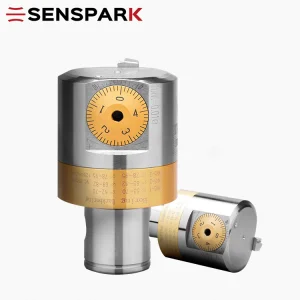
Melbourne has solidified its reputation as Australia’s powerhouse for high-value manufacturing, particularly across the aerospace, automotive defense, food processing, and medical device sectors. Within major industrial corridors such as Dandenong, Campbellfield, and Bayswater, advanced workshops operate under demanding specifications. Standard tolerances are no longer sufficient; global supply chains dictate parts machined with micron-level geometry and sub-micron surface finishes.
For local precision toolmakers, boring operations present a significant engineering hurdle. The mechanics of enlarging a pre-cast or drilled hole require dynamic rigidity to counteract cutting forces. When manufacturing complex gearboxes, aerospace turbine housings, or medical implants, the choice of a micro-boring head decides the balance between structural component integrity and immediate material scrapping.
To satisfy this hyper-precision ecosystem, our Melbourne regional services and high-efficiency logistics pipelines deliver tailored toolholder integration (including HSK, BT40, BT50, and SK tapers) designed to minimize run-out and sustain long-run machining cycle repeatability.
How modern factories are scaling up productivity through anti-vibration damping, digital readouts, and optimized geometries.
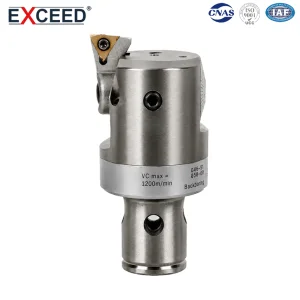
Transitioning from traditional vernier scale adjustment blocks to ultra-fine dial adjustments, allowing operators to compensate for insert wear in increments of 0.002mm on the diameter.
Integration of heavy metal/carbide shanks featuring tuned mass damper technology. Suppresses high-frequency chatter in long L/D ratio deep hole boring operations.
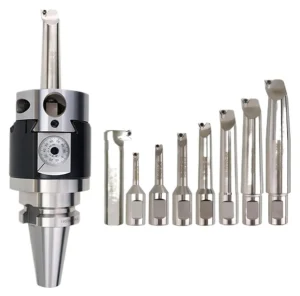
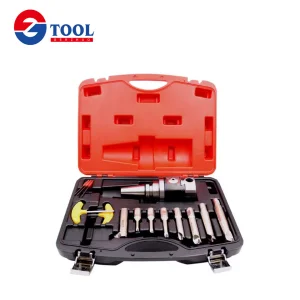
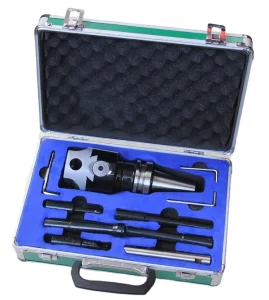
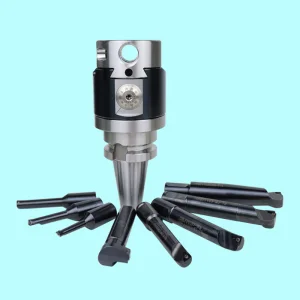
Modular boring setups adapting quickly to BT30, BT40, BT50, HSK, and straight shanks, decreasing tooling changeover times and stabilizing overall setup stiffness.
Mapping the transition from conventional machining processes to state-of-the-art closed-loop automated metalworking ecosystems.
Traditional dial systems utilizing mechanical screw threads with graduated dials. Requires skilled operators to compensate manually for thermal expansion and deflection.
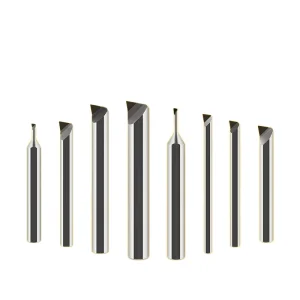
Combining structural alloy steel boring heads with high-density tungsten carbide boring bars. Stabilizes long overhang ratios up to 10xD, preventing machining chatter.
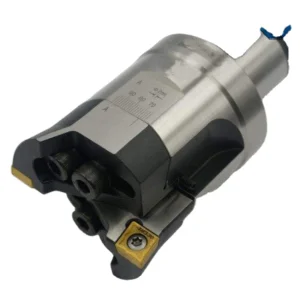
Digital readouts embedded directly in the boring head body. Electronic positioning feedback removes backlash error and ensures precise setup adjustments.
Future-ready systems capable of automatic compensation. The tooling head communicates directly with the machine controller via Bluetooth, adjusting for insert wear in real-time.
Bridging the gap between stationary machining centers and on-site remediation tooling for mining, agricultural, and civil engineering infrastructure.
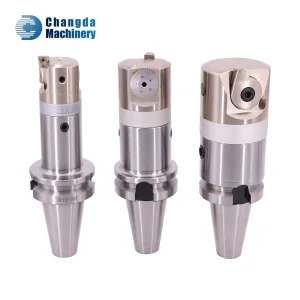
A globally recognized manufacturing facility specializing in high-precision machine tool accessories and custom tooling engineering.
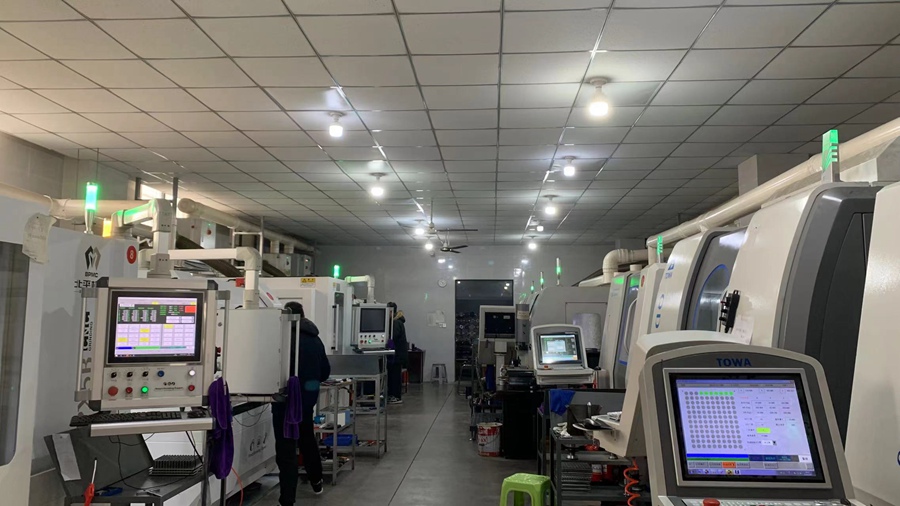 Advanced CNC Hub
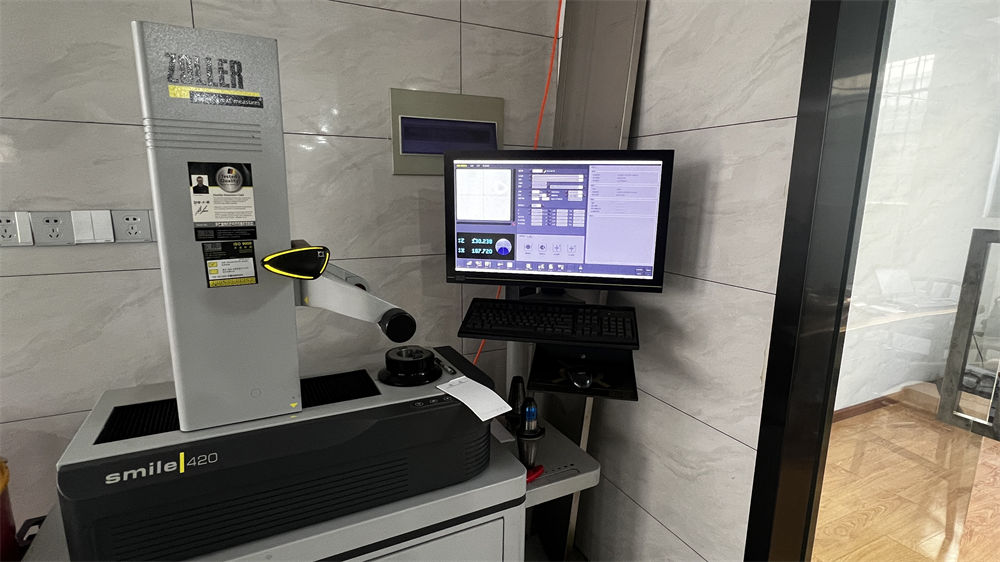 Metrology & Inspection
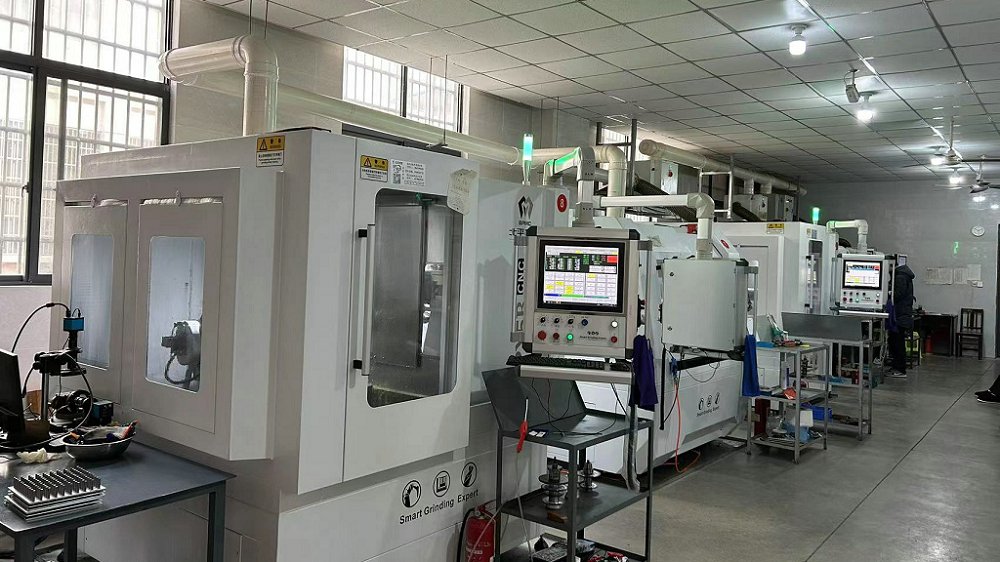 CNC Machining Center
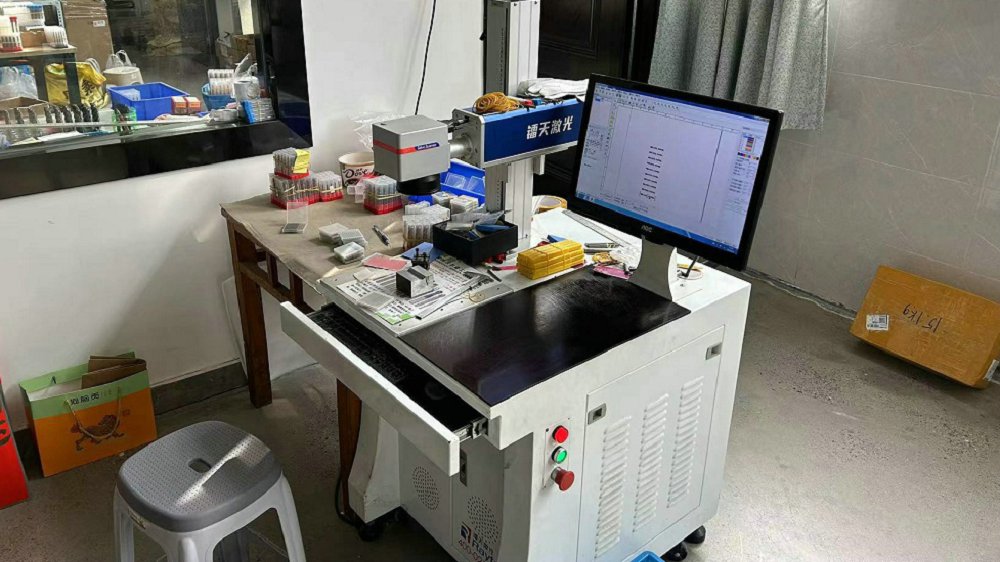 Laser Marking Machine
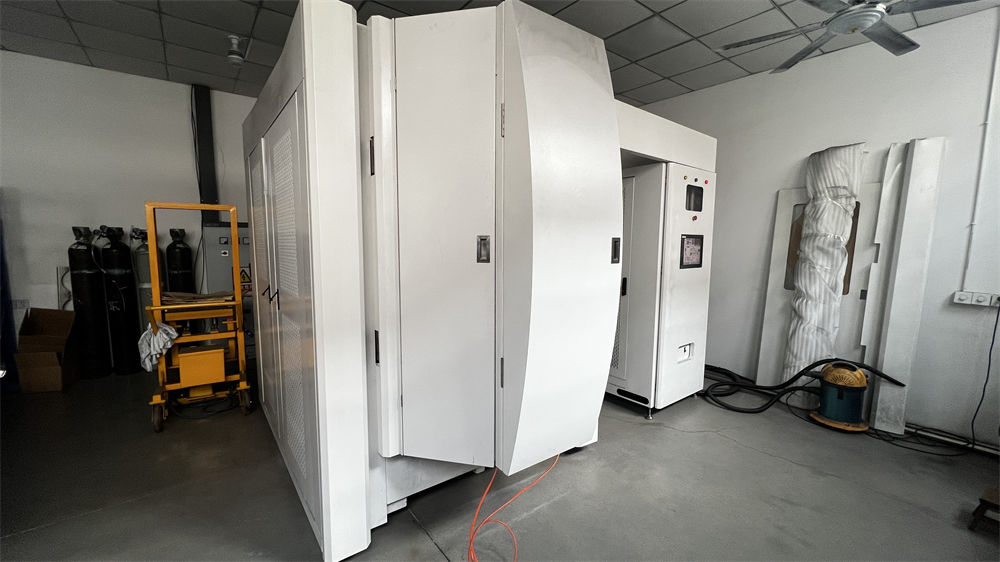 Coating Treatment
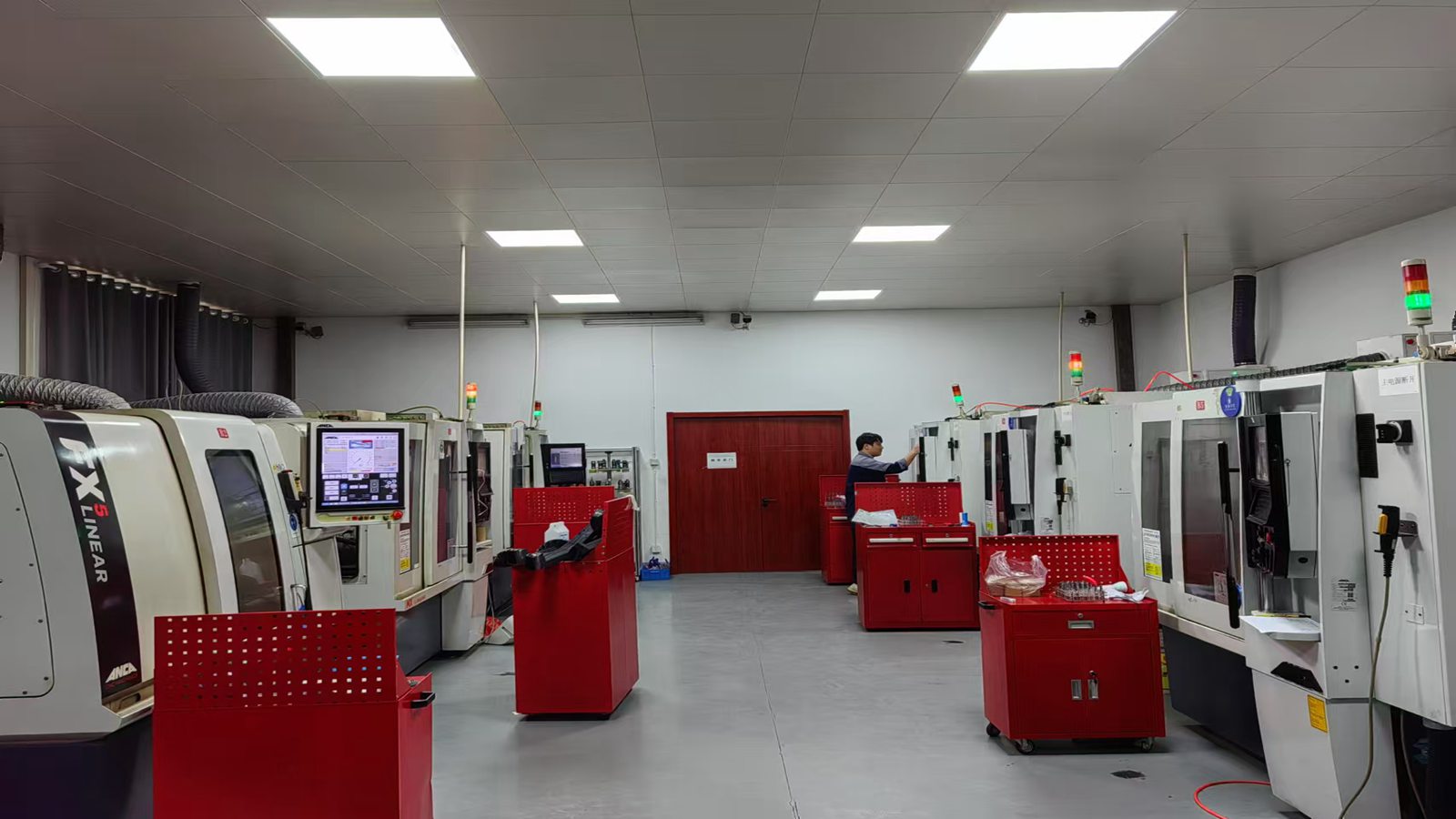 Precision Milling T1
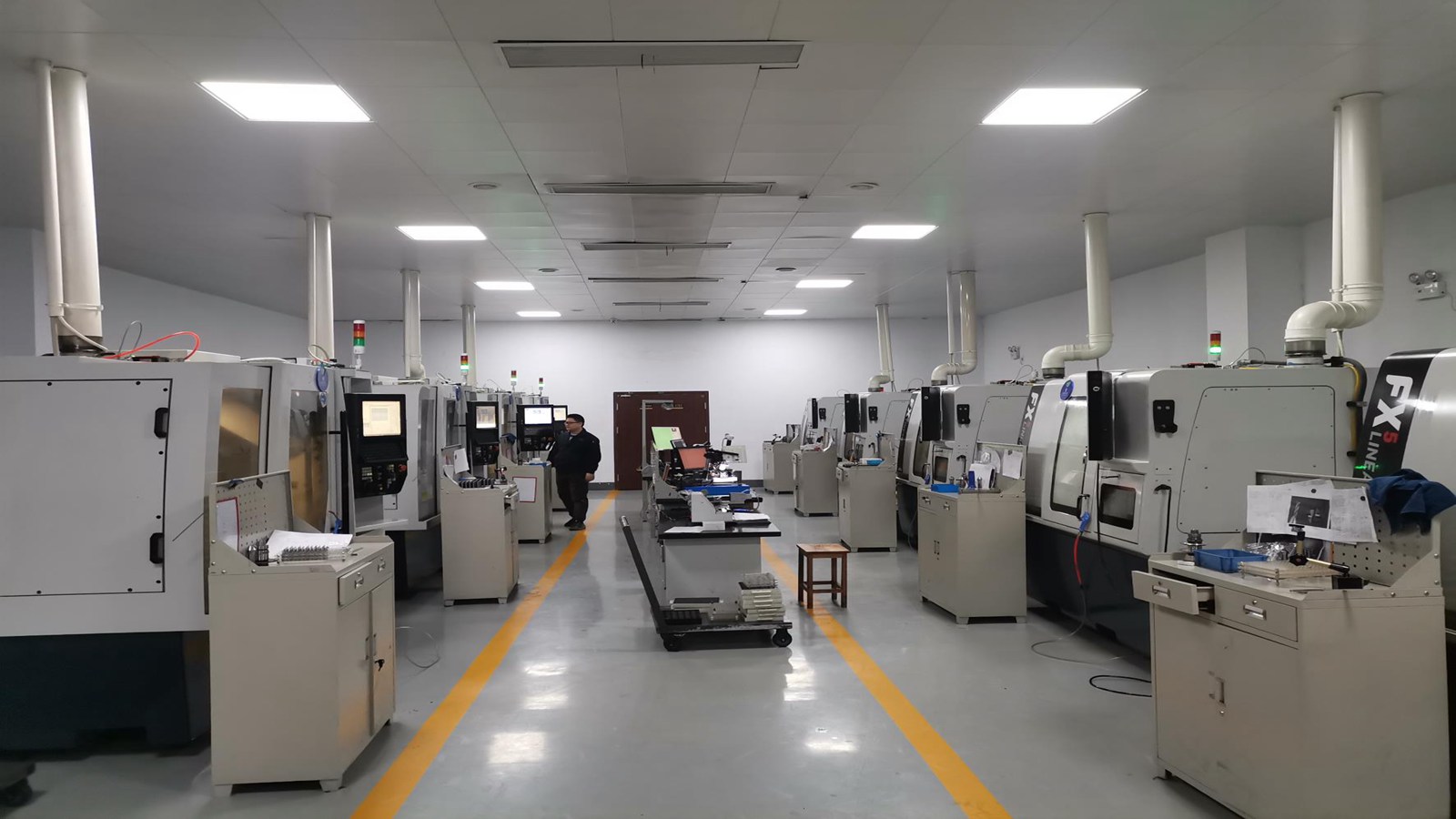 Precision Cylindrical Grinding
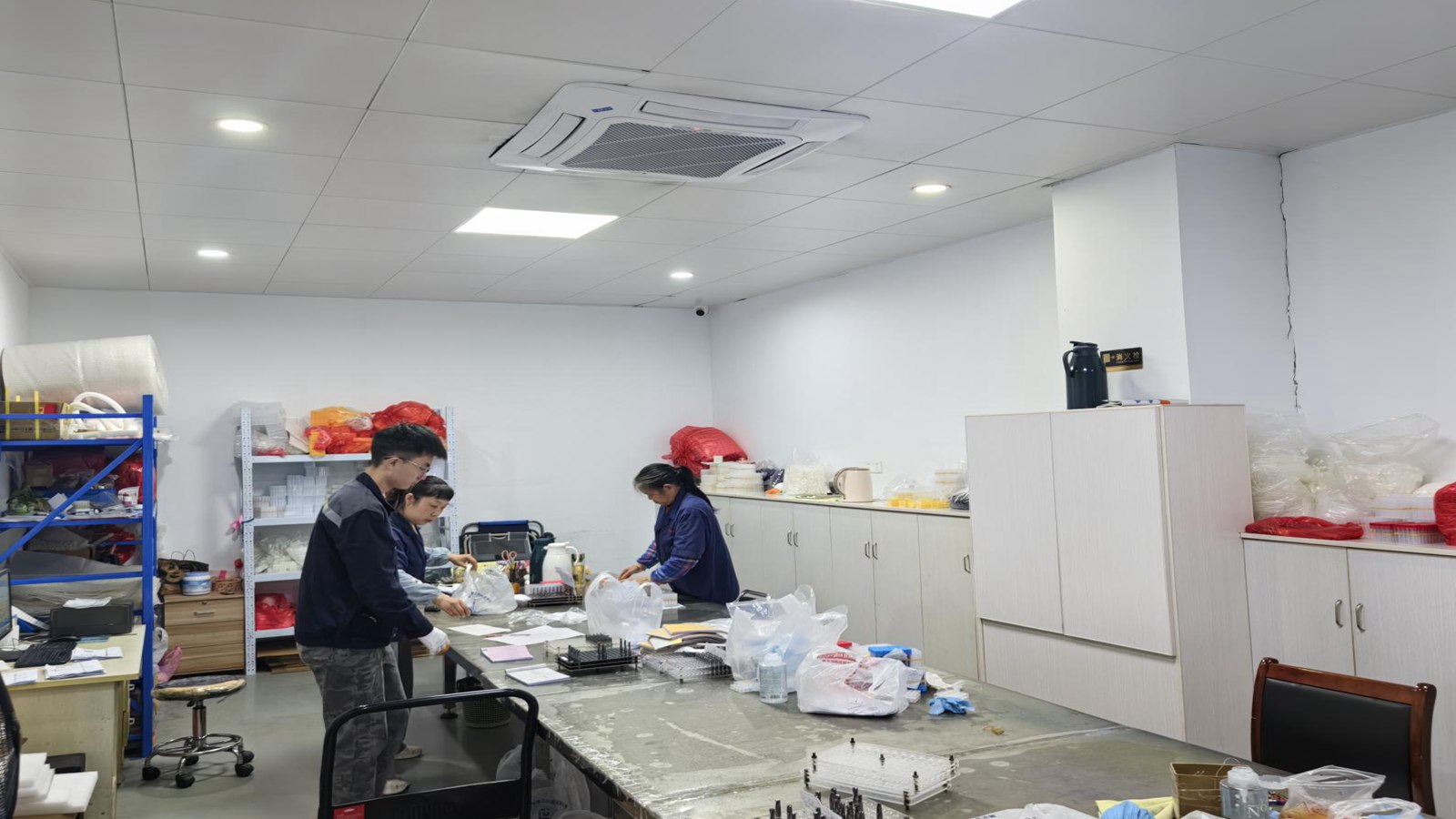 Cleanroom Packing
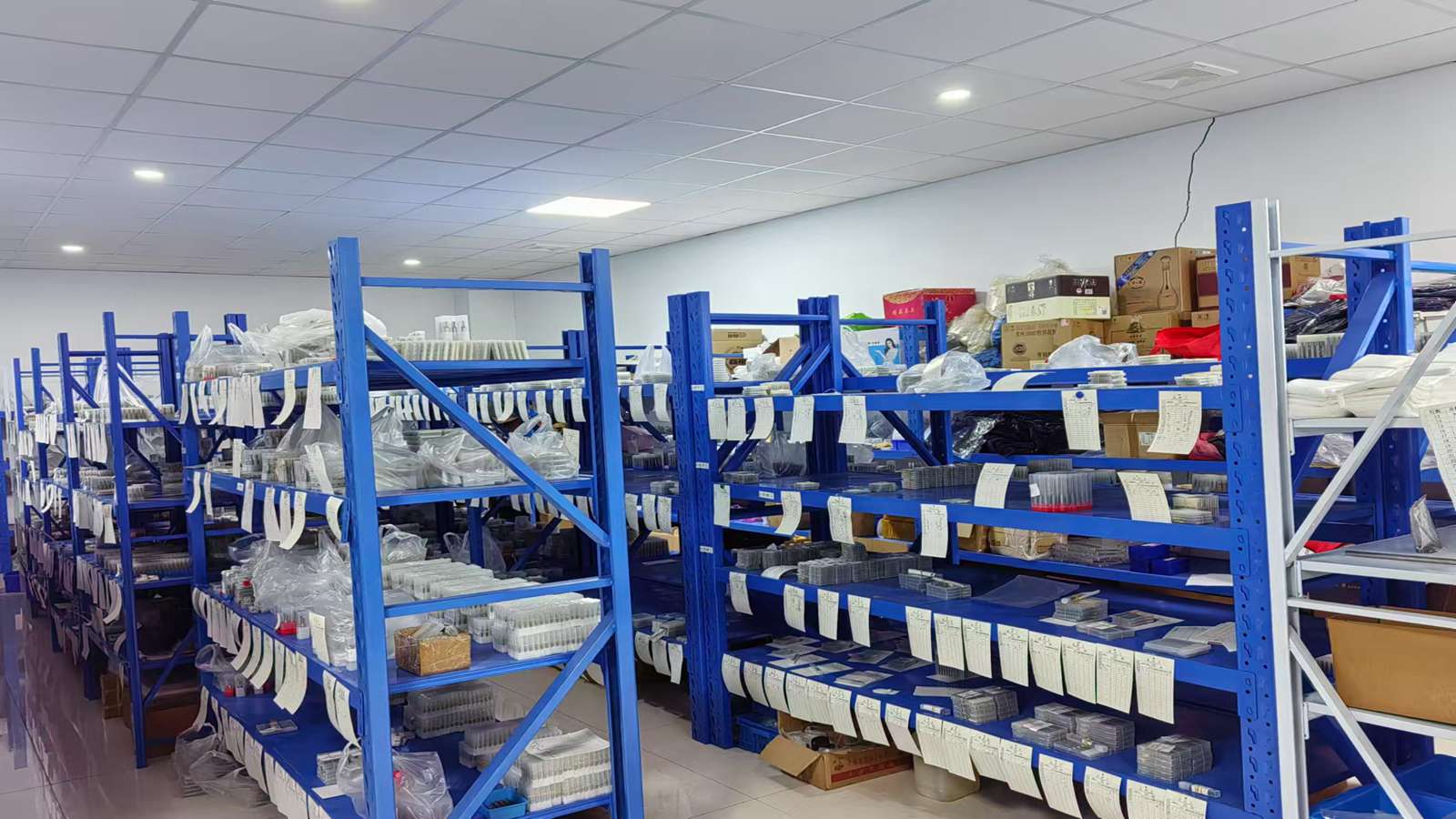 Inventory Logistics
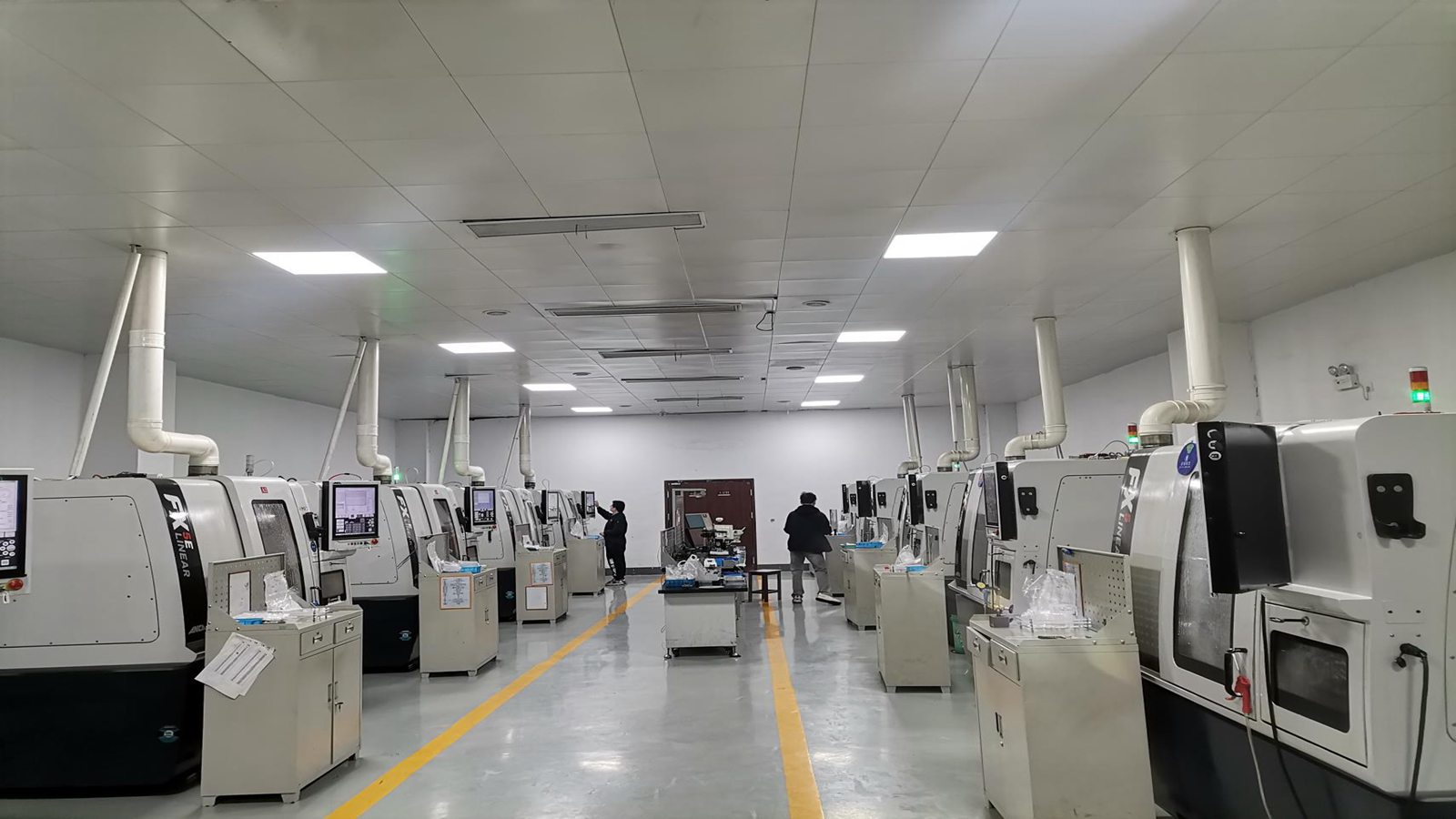 Multi-Axis Turning Center
Operational principles and optimization parameters deployed by our global field engineering support teams.
Objective: Finishing internal bores on heat-resistant titanium alloy turbine housings while maintaining a true cylindricity tolerance of under 0.005mm.
Strategic Method: Utilizing the BT40 fine boring setup equipped with custom PCD boring bars. By matching the thermal expansion coeffecients of the carbide shank toolholder, our engineers eliminated drift induced by high-RPM friction.
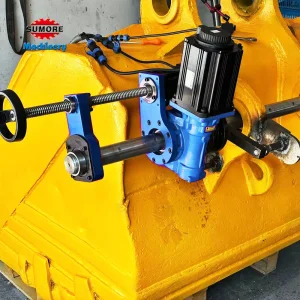
Result: 45% tool-life extension & zero structural scrap.Objective: Re-machining heavy excavator bucket pivot pins on-site to restore original mechanical tolerance and clearance parameters.
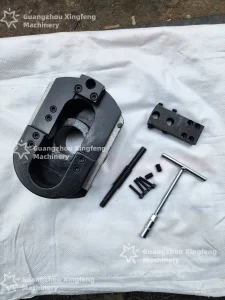
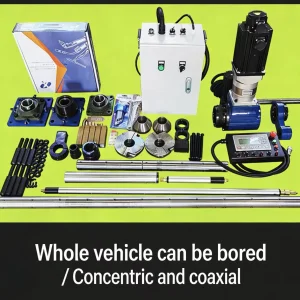
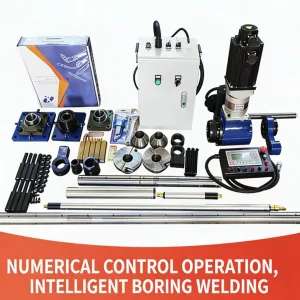
Strategic Method: Applying our portable 2-in-1 automatic line boring and welding machines directly to the mounting brackets, avoiding costly equipment disassembly and transport to offsite machine shops.
Result: Reduced machinery downtime from 5 days to 8 hours.Technical insight and answers to common queries faced by CNC machinists, manufacturing managers, and tooling buyers.
Chatter is caused by low static and dynamic rigidity in the tooling assembly, typically amplified when the length-to-diameter (L/D) ratio exceeds 5:1. Mitigation strategies include utilizing solid tungsten carbide boring bars instead of conventional tool steels, opting for positive-rake insert geometries to reduce cutting forces, and employing tuned vibration dampers inside the shank structure.
Digital boring systems display the absolute radial displacement on a water-resistant LED screen, which bypasses mechanical backlash issues present in traditional adjusting gears. Standard mechanical dials require manual calculation of the lead screw pitch, which increases human calculation errors, whereas digital readouts directly record movements in 0.002mm diametrical increments.
Spindle run-out unevenly loads the cutting edge of the insert, leading to accelerated localized wear, micro-chipping, and geometric inaccuracies (ovalization) of the finished bore. Keeping total integrated run-out (TIR) below 3 microns at the tool tip ensures symmetrical chip load and stable sizing over extended production runs.
For heavy maintenance industries (mining, heavy transport, civil construction), portable machines allow operators to perform line boring and bore-welding repairs on the same structural setup. This eliminates alignment errors associated with transferring heavy workpieces between machines and minimizes logistical downtime.
Explore our full line of fine finishing heads, portable rebuilders, and high-rigidity accessories built to global industrial standards.
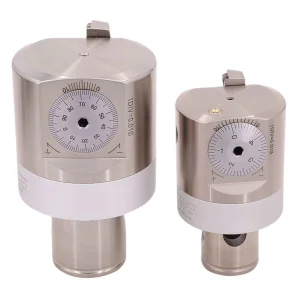
Connect with our technical engineers for configuration support, CAD drawings, and volume pricing adjustments on micro-boring sets.