Ricon Tools
Ricon Tools
Ricon Tools
Engineered for maximum rigidity, micro-adjustability, and high-efficiency performance on CNC lathes and milling machines.
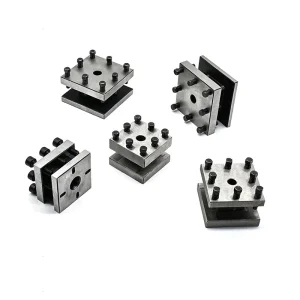
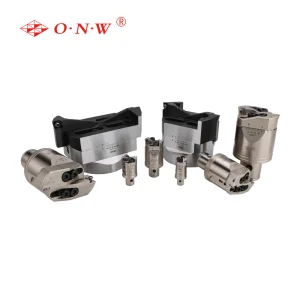
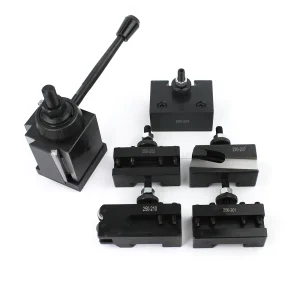
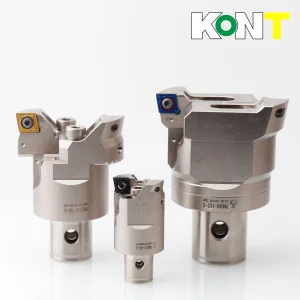
In modern metal removal processes, cutoff and grooving operations rank among the most demanding turning processes. Cutoff tool holders must withstand immense dynamic shear forces while maintaining absolute structural rigidity. Unlike face turning, parting off requires the blade to penetrate deep into the raw bar stock, creating a narrow slot that limits tool clearance and chip evacuation.
Any loss of rigidity in the tool holder propagates micro-vibrations directly to the cutting edge of the carbide insert. This leads to accelerated insert wear, poor surface finish, and in worst-case scenarios, catastrophic tool failure. As manufacturers strive for faster cycles and tighter tolerances, selecting a robust cutoff tool holder becomes a primary factor in optimizing machine uptime and reducing the cost-per-edge.
For international supply chain managers and tool distributors, sourcing high-performance machine tool accessories involves resolving critical technical bottlenecks. Global procurement departments are focusing on three main pillars:
1. Material Integrity: Standardizing on verified carbon-alloy steels that undergo rigorous vacuum heat-treatment processes to achieve a uniform hardness of HRC 42-48.
2. Interface Compatibility: Achieving flawless mechanical integration across VDI tool holders, American quick-change posts, BT/CAT steep tapers, and modular HSK spindles.
3. Supply Reliability: Partnering with established exporters who offer end-to-end traceabilities, complete with EN 10204 3.1 material certifications and transparent lead times.
How structural design elements inside tool holders directly impact thermal regulation and chip breaking behavior.
Modern grooving inserts generate localized temperatures exceeding 900°C. Standard external flood coolant is often blocked by the curling chip. Integrated, targeted internal coolant channels direct high-pressure coolant jets (up to 150 bar) directly onto the flank and rake faces, facilitating rapid cooling and efficient chip evacuation.
Whether utilizing a spring-clamp system, wedge-lock, or screw-down clamping system, the primary objective is to resist torsional twisting. Top-tier manufacturers design insert seat pockets with precise angles that utilize the force of the cut to seat the insert deeper, enhancing cutting stability.
For deep parting of large diameter bars, solid carbide or heavy metal (tungsten-based alloy) damping cores are integrated into the tool holder blades. These dampers absorb low-frequency vibrations, extending tool insert life by up to 200% and producing a mirror-like finish.
Shandong Ricon Tools Co., Ltd. is a professional manufacturer specializing in the research, development, production, and sales of precision machine tool accessories.
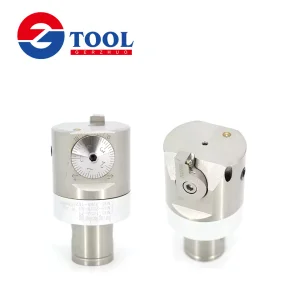
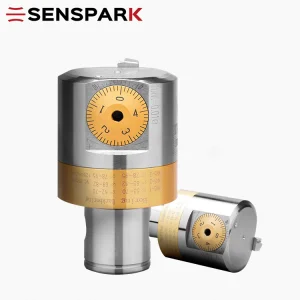
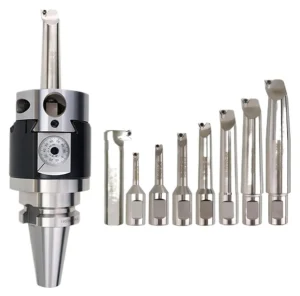
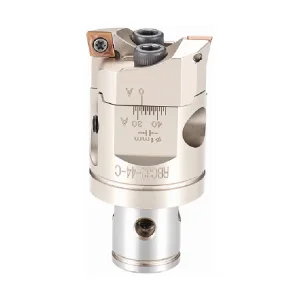
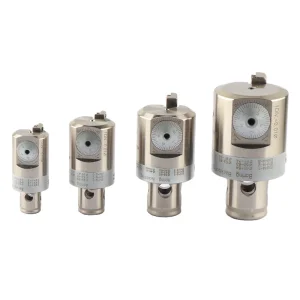
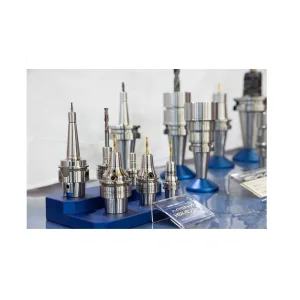
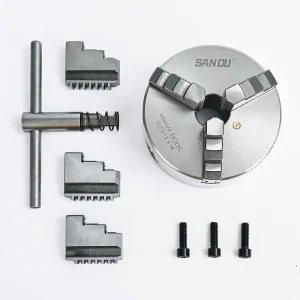
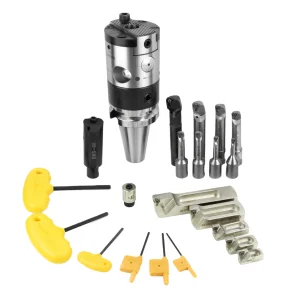
Since its establishment, Ricon Tools has been committed to providing high-quality tooling solutions for the global metalworking and woodworking industries. Our product portfolio includes a wide range of precision machine tool accessories, such as 4-jaw woodworking chucks, American quick-change tool holders, VDI tool holders, boring heads, ER collet chucks, milling chucks, drill chucks, tool holders, CNC tooling accessories, and other precision machining components. Our products are widely used in CNC machining centers, lathes, milling machines, woodworking machinery, and various industrial manufacturing applications.
To ensure consistent product quality and manufacturing efficiency, Ricon Tools has invested in advanced CNC machining equipment, precision grinding machines, inspection instruments, and automated production facilities from both domestic and international suppliers. Supported by an experienced technical team and a strict quality management system, every product is manufactured with high precision, excellent durability, and reliable performance to meet the demanding requirements of customers around the world.
With years of experience in the machine tool accessories industry, Ricon Tools has established long-term partnerships with customers across numerous industries. Our products are well recognized in the domestic market and are exported to more than 30 countries and regions, including the United States, Canada, Germany, Italy, Russia, Australia, Southeast Asia, the Middle East, and South America. We have earned an excellent reputation for superior quality, competitive pricing, on-time delivery, and professional customer service.
Driven by the philosophy of "Quality First, Innovation Driven, Customer Focused," Shandong Ricon Tools Co., Ltd. continuously invests in technological innovation, product development, and manufacturing excellence. We are dedicated to providing customers with reliable products, customized solutions, and comprehensive technical support.
Looking ahead, Ricon Tools will continue to strengthen its global presence, pursue continuous innovation, and create greater value for customers worldwide. We sincerely welcome partners from around the world to establish long-term cooperation and achieve mutual success.
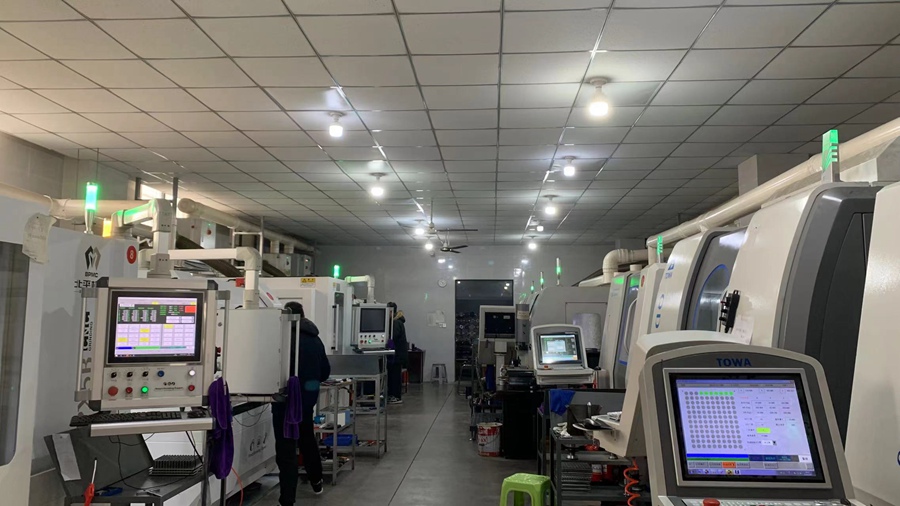
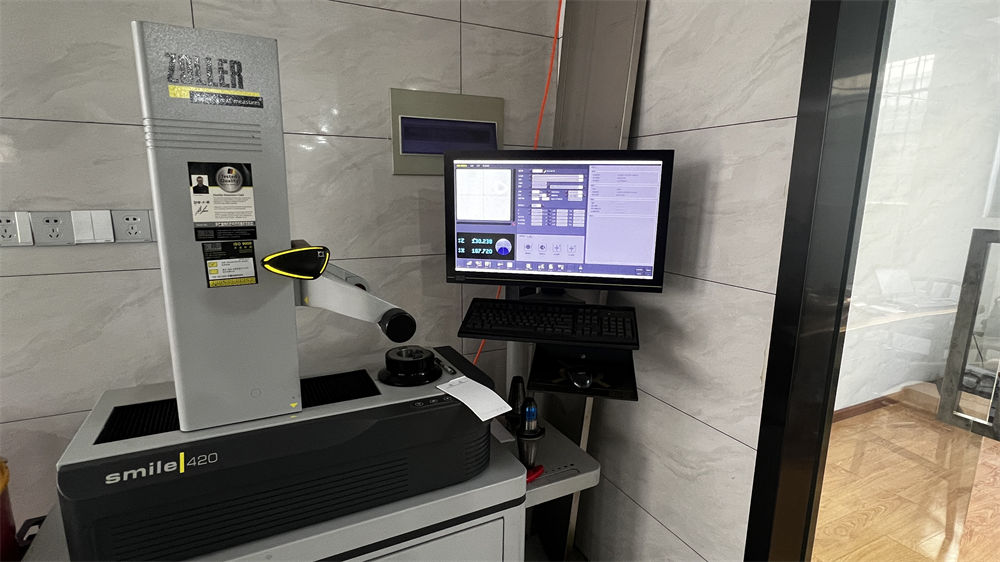
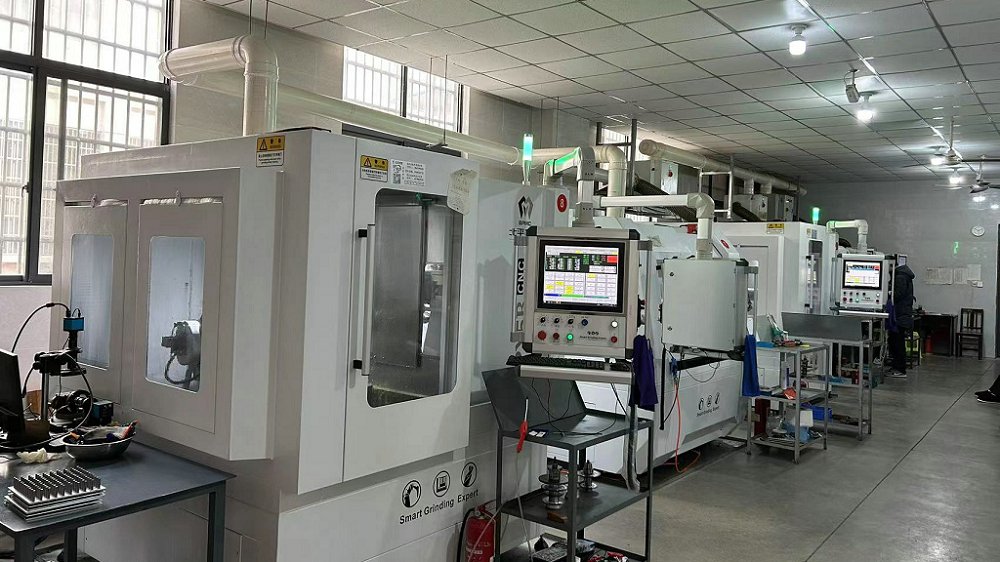
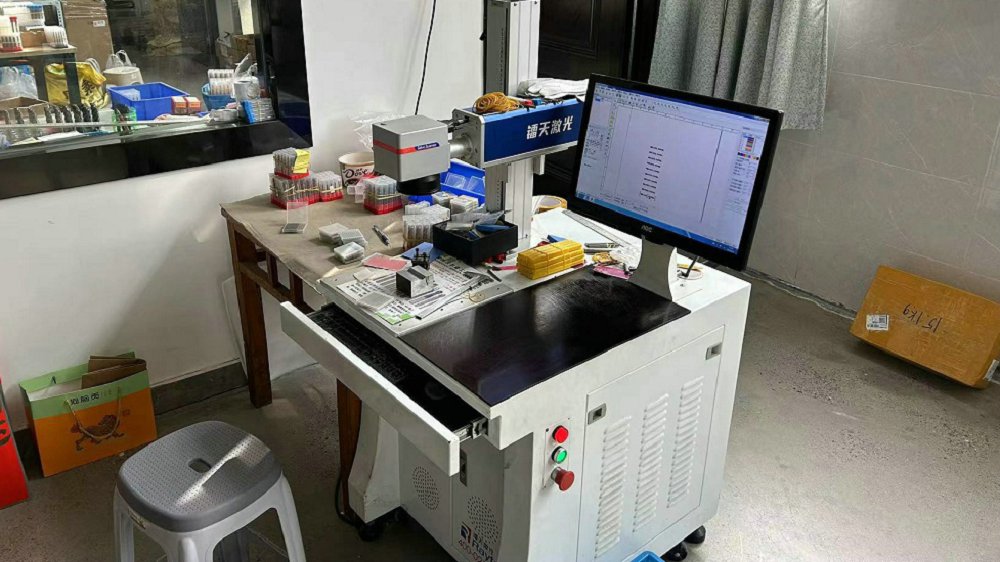
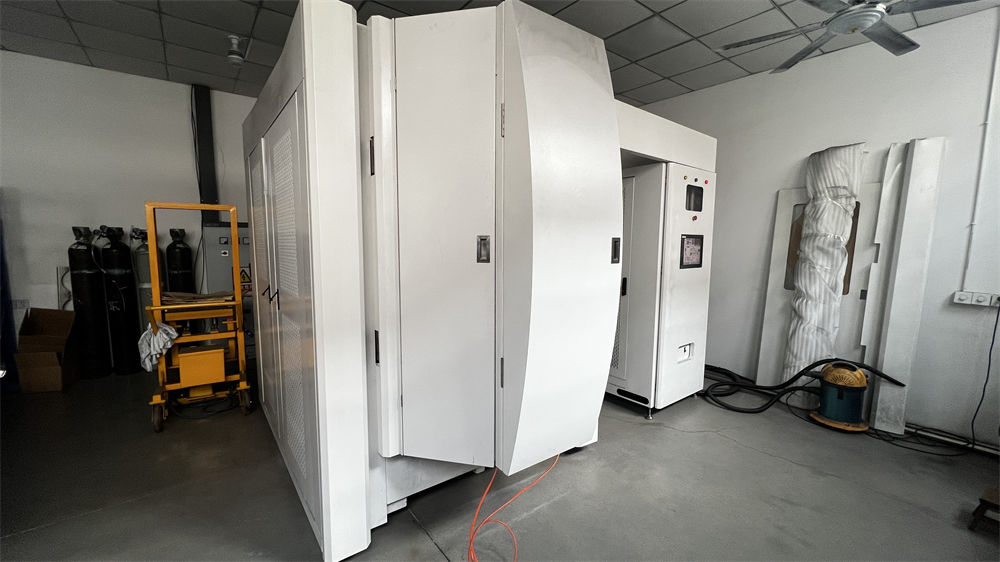
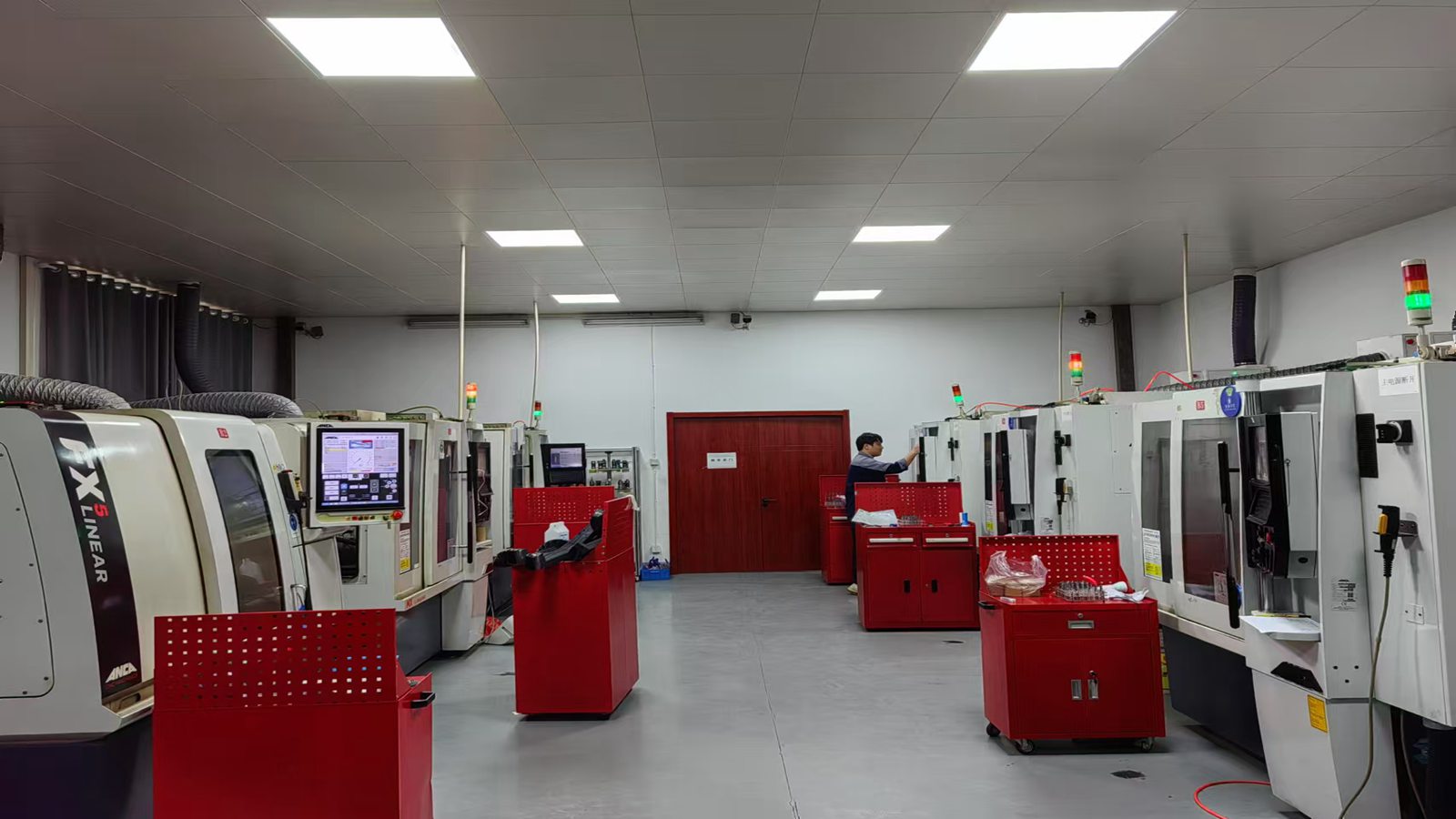
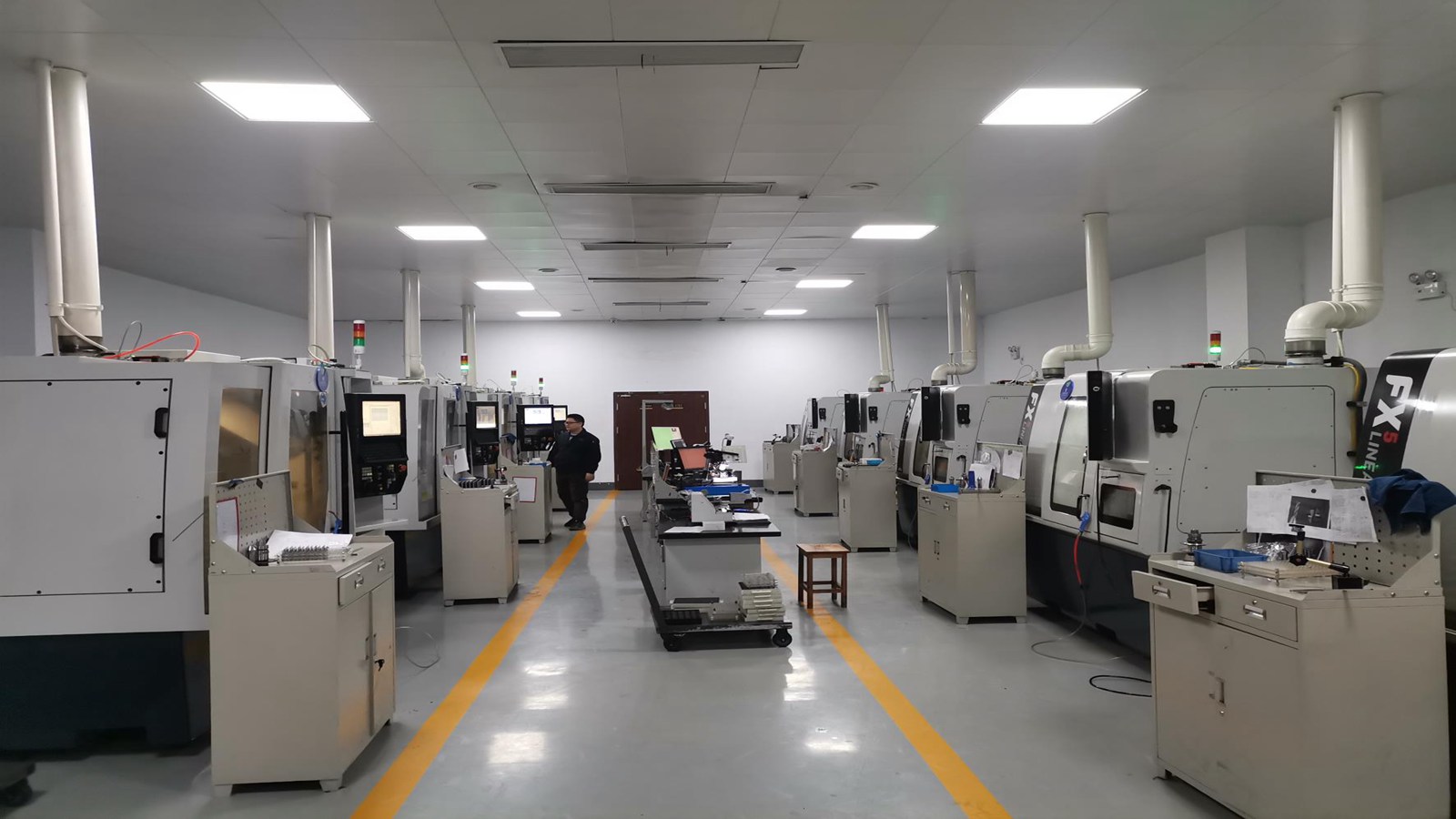
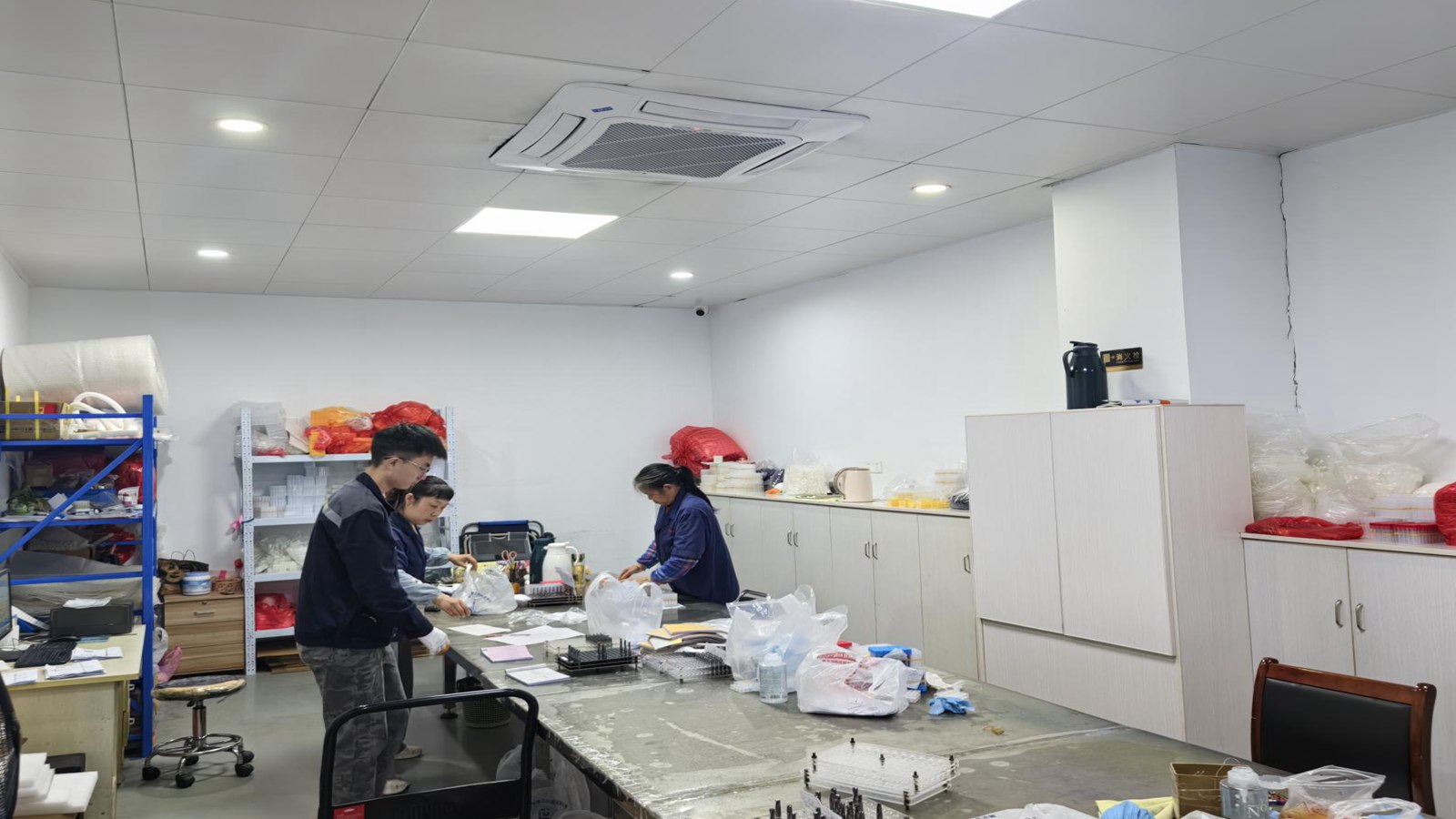
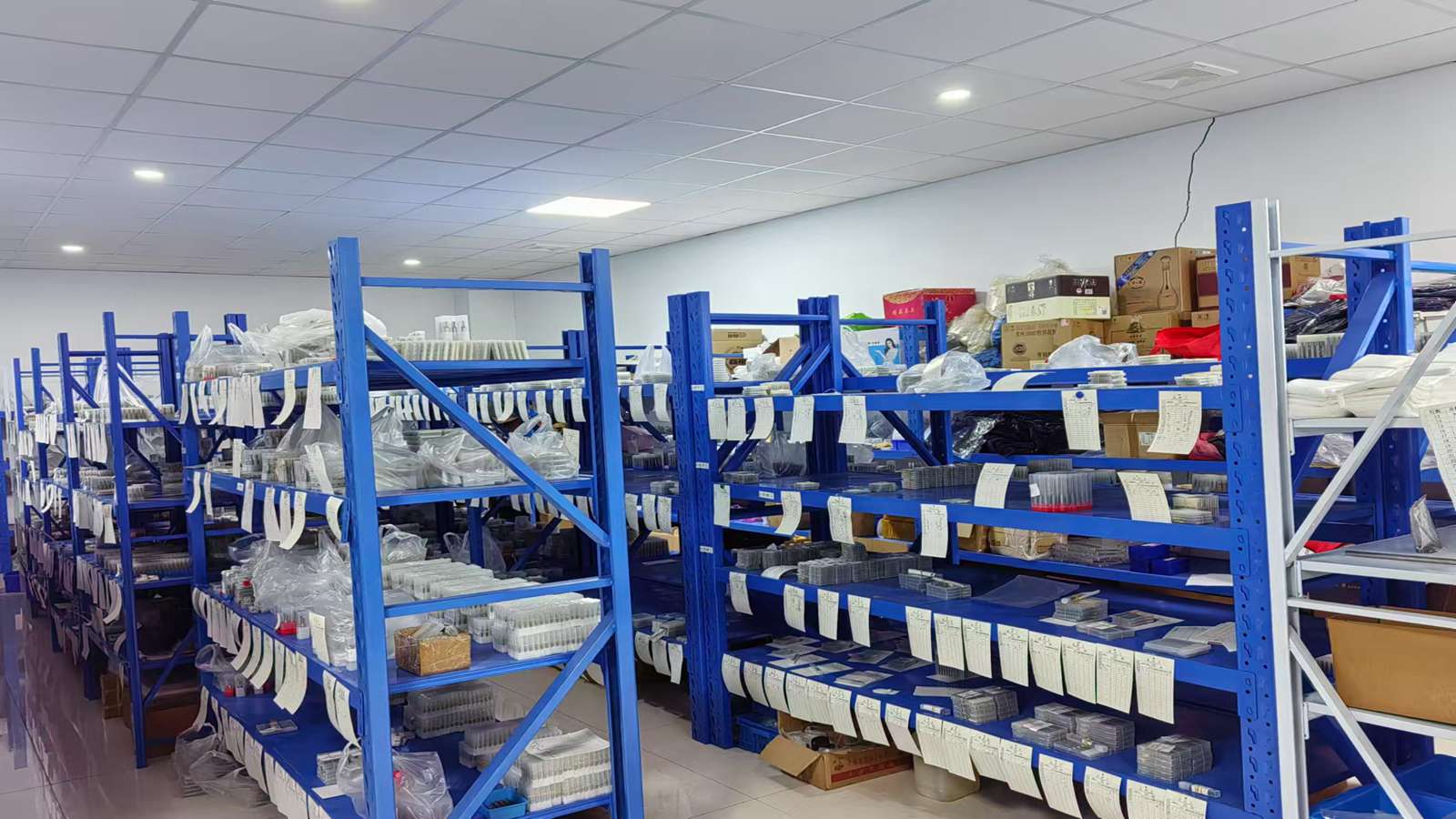
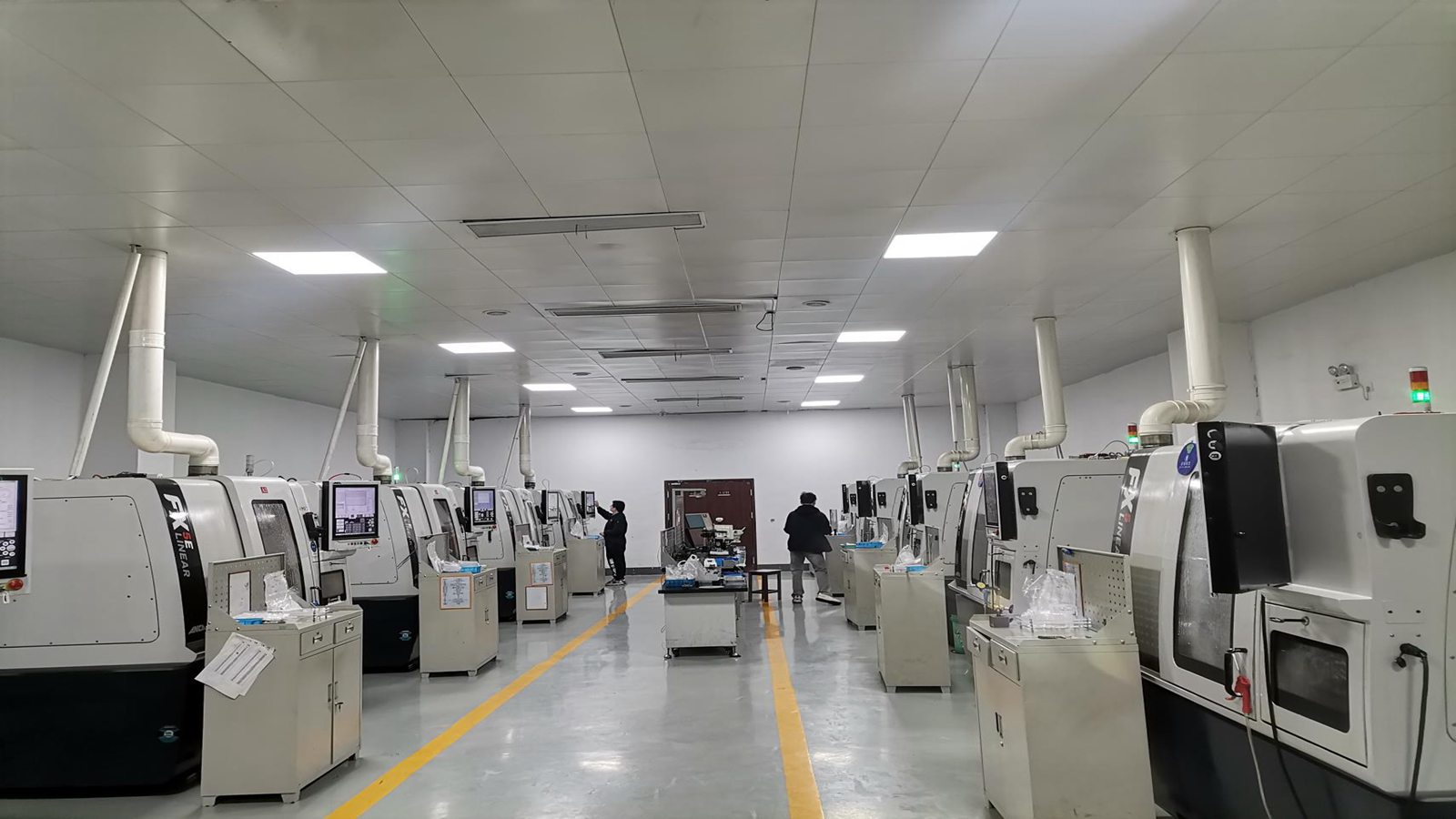
Precision tooling systems serve as the bedrock for critical manufacturing sectors globally. Shandong Ricon Tools matches high-accuracy hardware with distinct industrial environments:
Automotive Powertrains: In mass-production environments, cycle time and chip control are crucial. Customized tool holders designed for rapid-insert indexing allow for quick changes on automated transfer lines, reducing idle time and optimizing unit-economics.
Aerospace Structures: Machining titanium alloys, Inconel, and superalloys generates intense thermal stresses. Integrated high-pressure cooling paths inside tool holder assemblies reduce insert thermal wear, preventing workpiece deformation.
Oil, Gas & Energy: For heavy-duty operations like thread turning on drill pipes, tool holders must withstand massive interrupted cuts. Our heavy-walled boring systems and chuck configurations maintain rigidity over extended production runs.
Upgrading structural steels to modified high-carbon chromium alloys to raise yield strength limits and dynamic torsional fatigue limits.
Embedding miniature strain-gauge sensor units into the insert pocket to capture cutting load variations and feed real-time analytics to the CNC interface.
Using additive manufacturing technologies (3D metal printing) to produce curved coolant galleries inside the blade bodies, optimizing fluid dynamics.
Expert insights on troubleshooting vibration, optimizing coolant delivery, and selecting correct tool holder geometries.
Complete your workshop requirements with micro-precision systems, scroll chucks, and adjustable dual-cutter assemblies.