Ricon Tools
Ricon Tools
Ricon Tools
High-rigidity systems designed to increase machining throughput, reduce cycle times, and optimize surface finish in heavy-duty manufacturing environments.
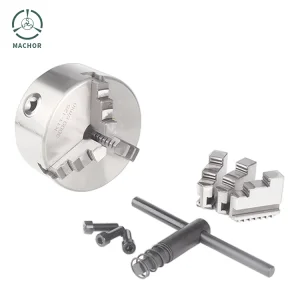
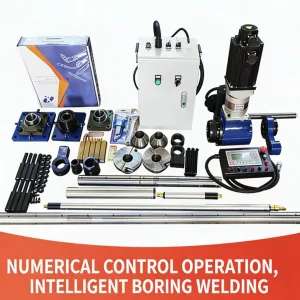
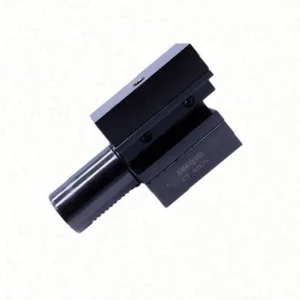
Rough boring represents one of the most critical roughing operations in heavy manufacturing, serving as the foundational step before finishing. Unlike general milling, rough boring is executed inside deep cavities, requiring tools to withstand severe intermittent cutting forces while removing substantial metal volumes. In modern aerospace, automotive engine block manufacturing, and wind energy gearbox fabrication, achieving high Material Removal Rates (MRR) without sacrificing machine tool uptime is paramount.
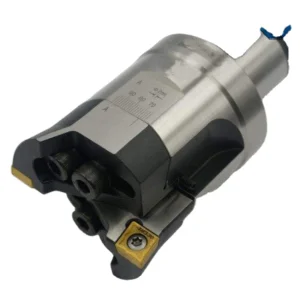
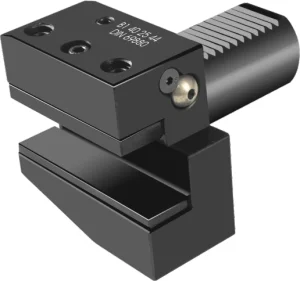
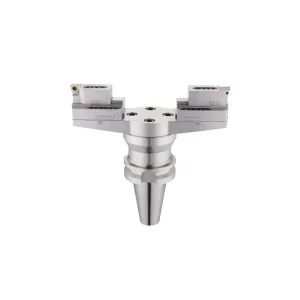
Globally, manufacturers are pushing the boundaries of material science, leading to the deployment of high-strength alloys, duplex stainless steels, and titanium. Consequently, standard boring heads are no longer sufficient. Industry-grade rough boring heads must incorporate specialized features, such as structural indexable twin-cutter arrangements and rigid serrated insert blocks, to distribute the cutting force symmetrically. This ensures stable machining even with large radial depths of cut.
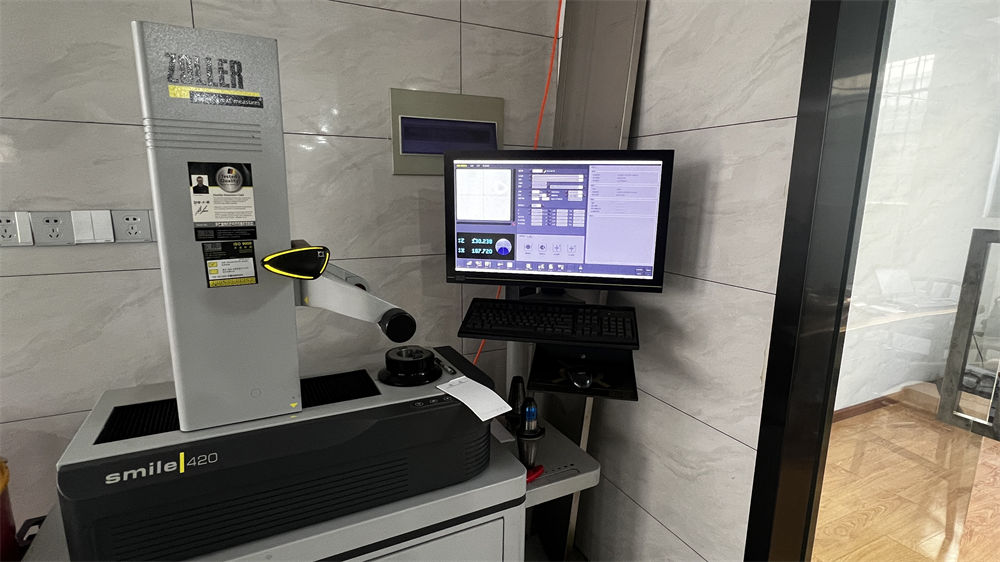
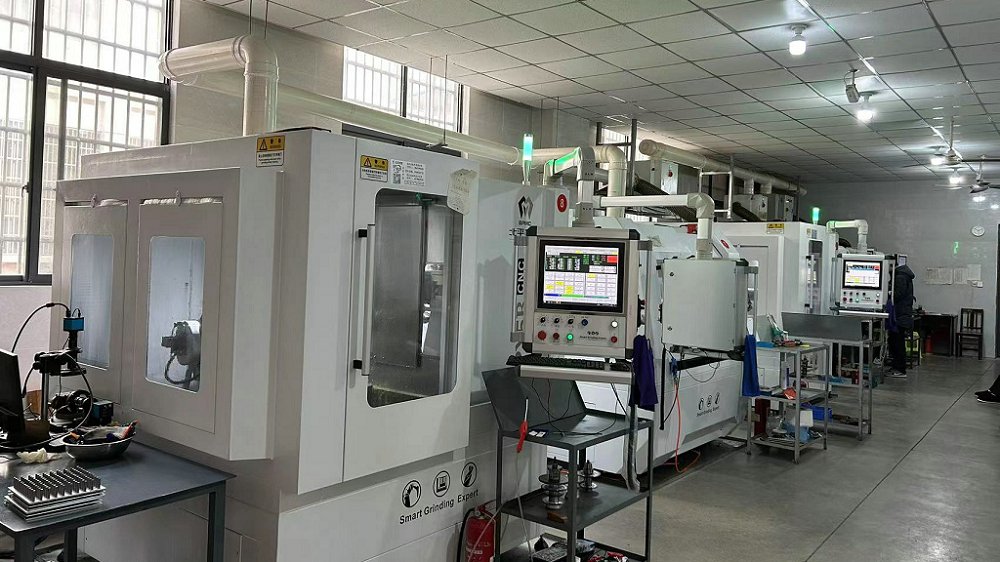
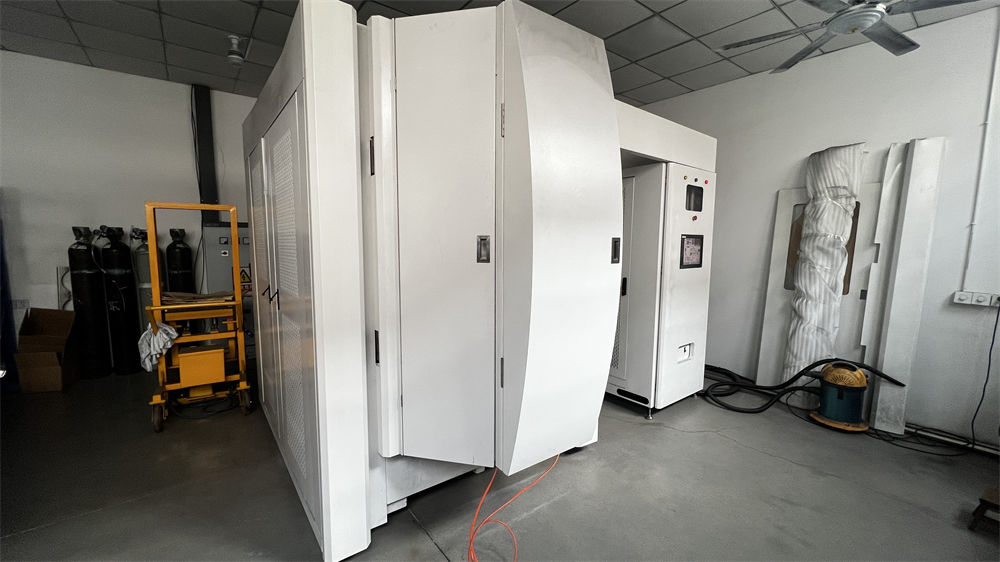
China's industrial tooling infrastructure has undergone a massive paradigm shift. No longer limited to baseline cost advantages, advanced Chinese manufacturers like Shandong Ricon Tools Co., Ltd. leverage state-of-the-art multi-axis CNC grinding centers, high-vacuum thermal treatment furnaces, and automated Swiss inspection systems. This technology stack enables the mass production of export-grade rough boring heads that feature concentricity and balancing standards comparable to premium European tooling houses, but with significantly shorter lead times and optimized pricing structures.
Unlocking superior dimensional accuracy and tooling longevity through intelligent hardware design and material optimization.
Our rough boring head assemblies are forged using high-tensile alloy steels, subjected to deep cryogenic treatment. This thermal profile eliminates residual stresses, ensuring zero dimensional drift during high-vibration interrupted cuts. Anti-vibration geometries minimize spindle wear and extend tool insert life.
For flexible operations, our rough boring heads support dual modes. In balanced boring mode, two inserts cut at the same axial level, canceling radial forces to permit high feed rates. In staggered boring mode, the cutters are set at different axial depths and radial offsets, doubling the depth of cut with lower spindle power demands.
Effective chip evacuation is the bottleneck of internal hole turning. Every boring system is built with high-velocity internal channels that deliver cutting fluids directly to the cutting zone. This cooling geometry reduces thermal shock, lowers the risk of micro-chipping, and washes away chips instantly.
Anticipating the technological demands of tomorrow's unmanned, high-speed CNC manufacturing ecosystems.
Tailoring modular tooling solutions for diverse vertical sectors and regional industrial requirements.
Rough boring titanium and high-strength alloy forgings requires tools that do not deflect under extreme mechanical stress. Our modular, high-rigidity micro and twin boring systems allow stable cutting depths up to 5xD without chatter, maintaining crucial initial dimensional tolerances for subsequent fine-finishing cycles.
Key metric: Vibration dampening up to 35% higher than standard steel shank tooling.In the wind energy sector, casting components feature massive inner bore diameters. Our large-diameter multi-CNC facing and rough boring head sets enable smooth, uninterrupted machining of cast iron housings, allowing multiple inserts to act in unison for maximum metal removal rates.
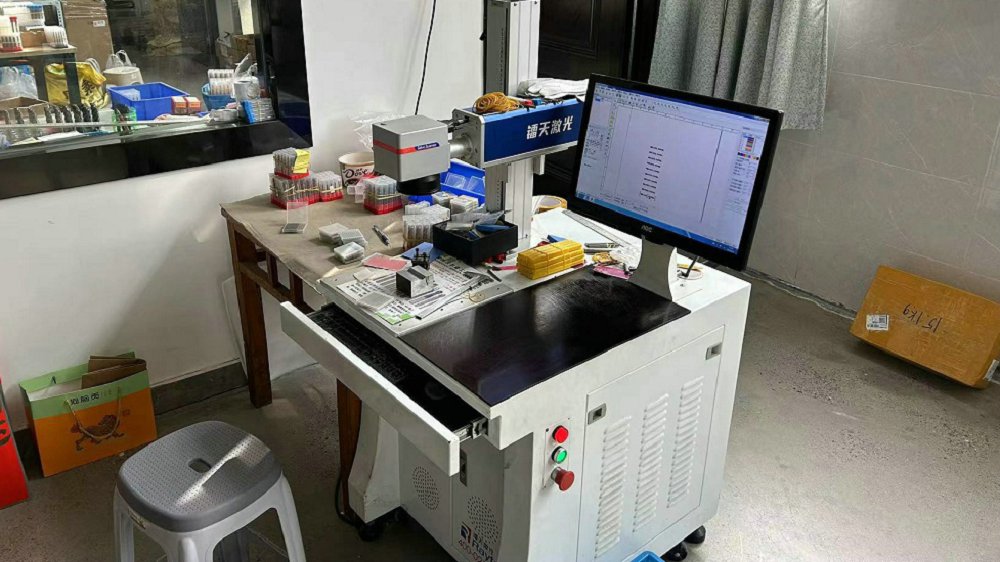
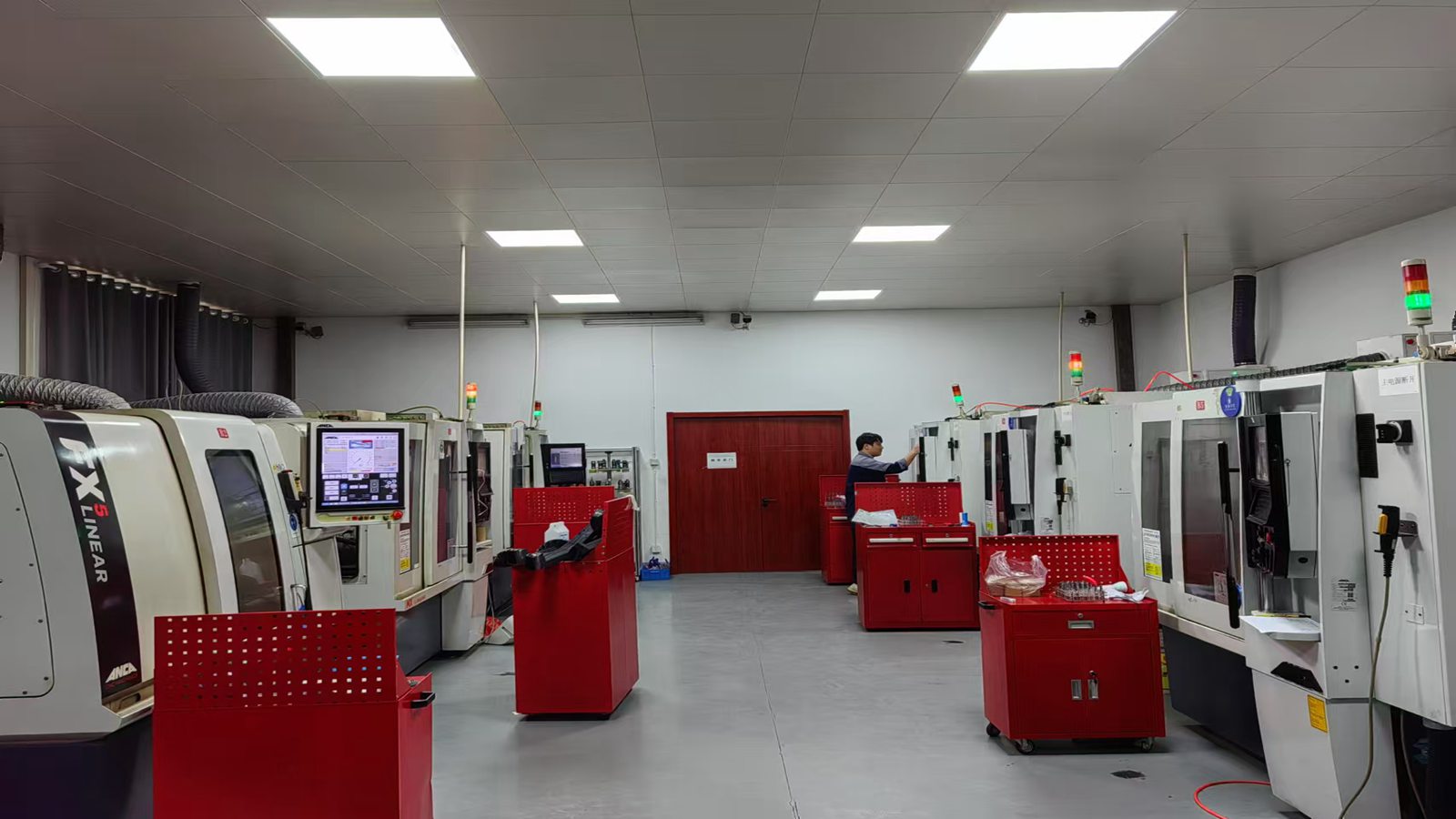
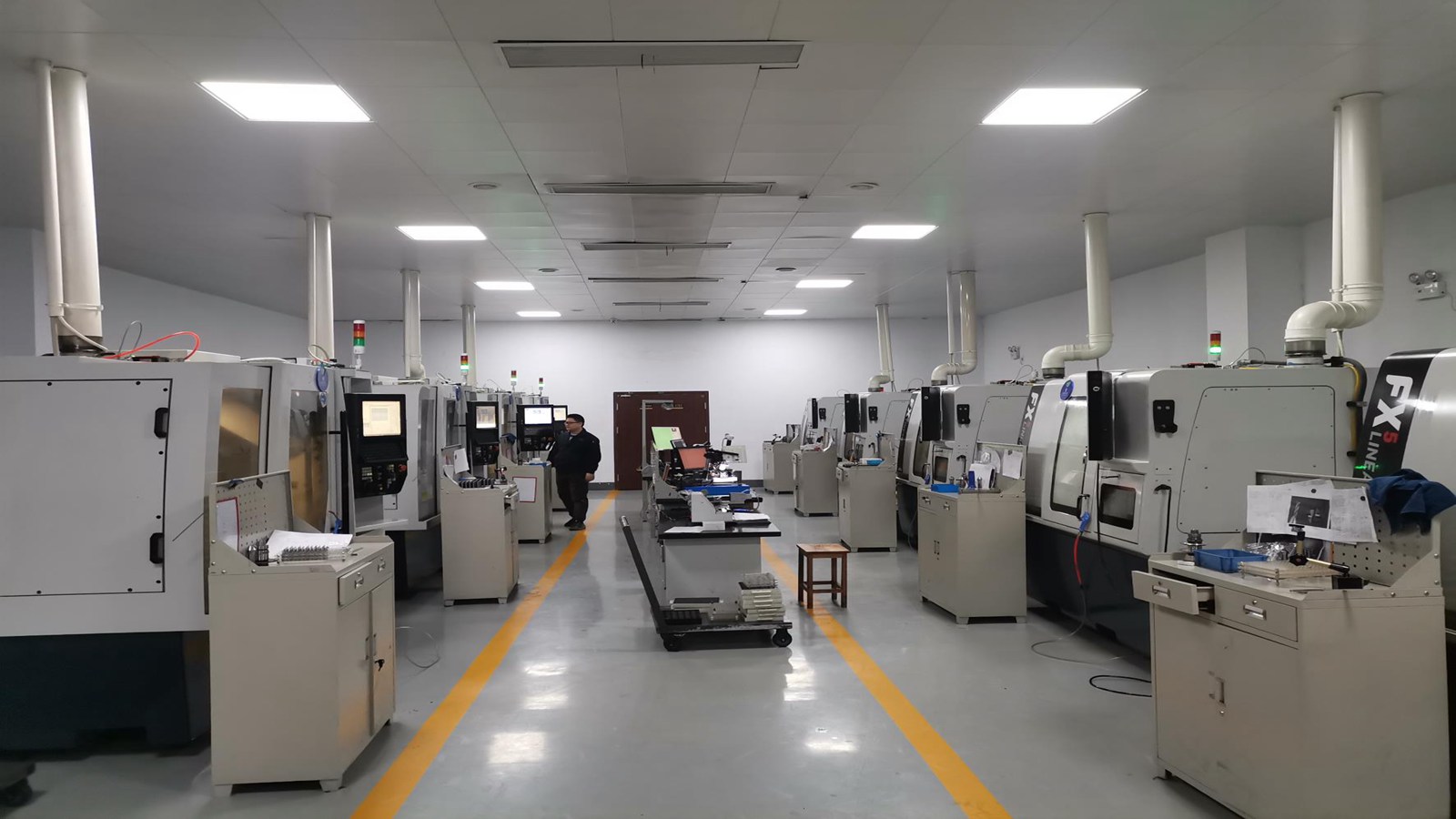
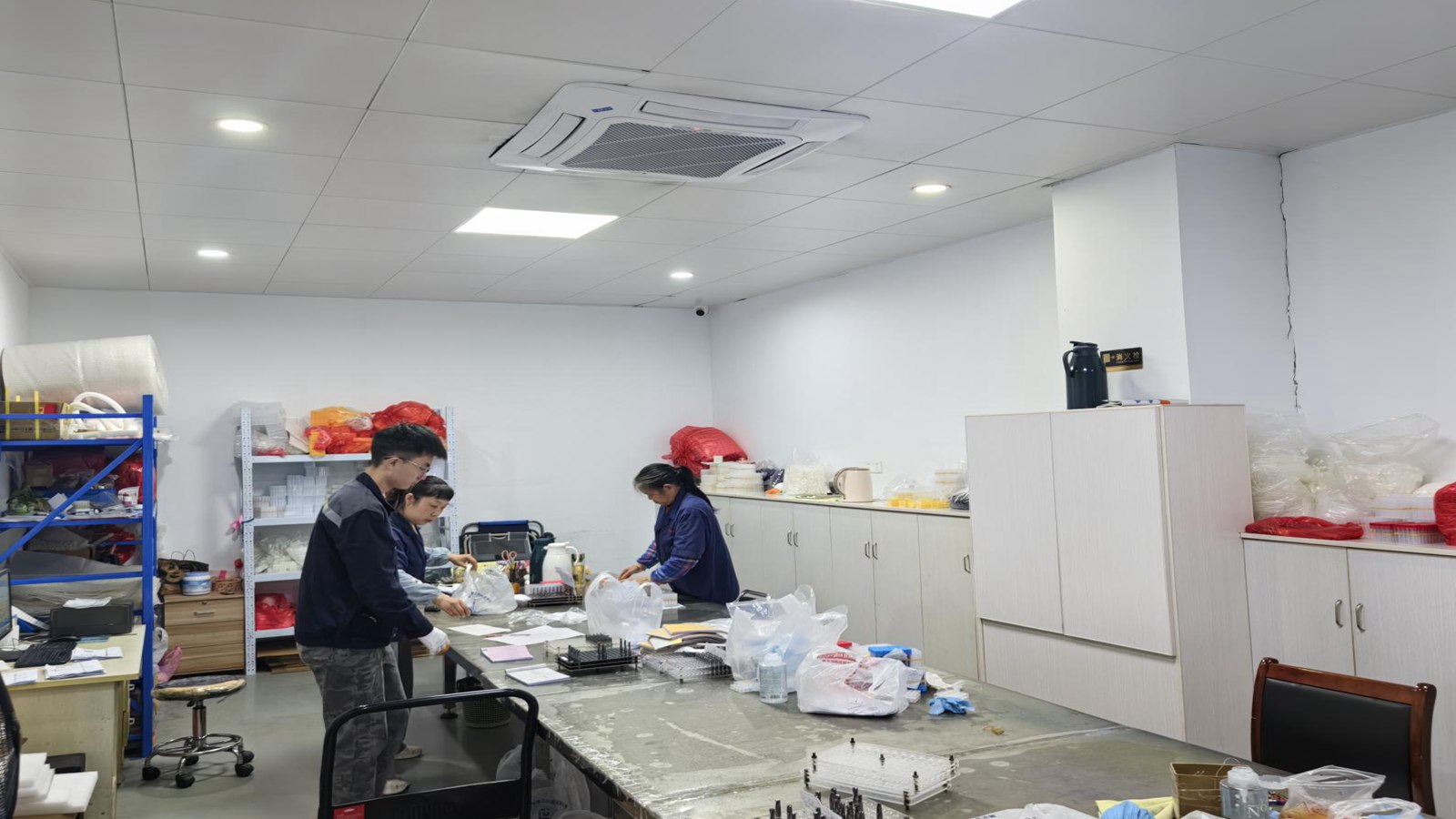
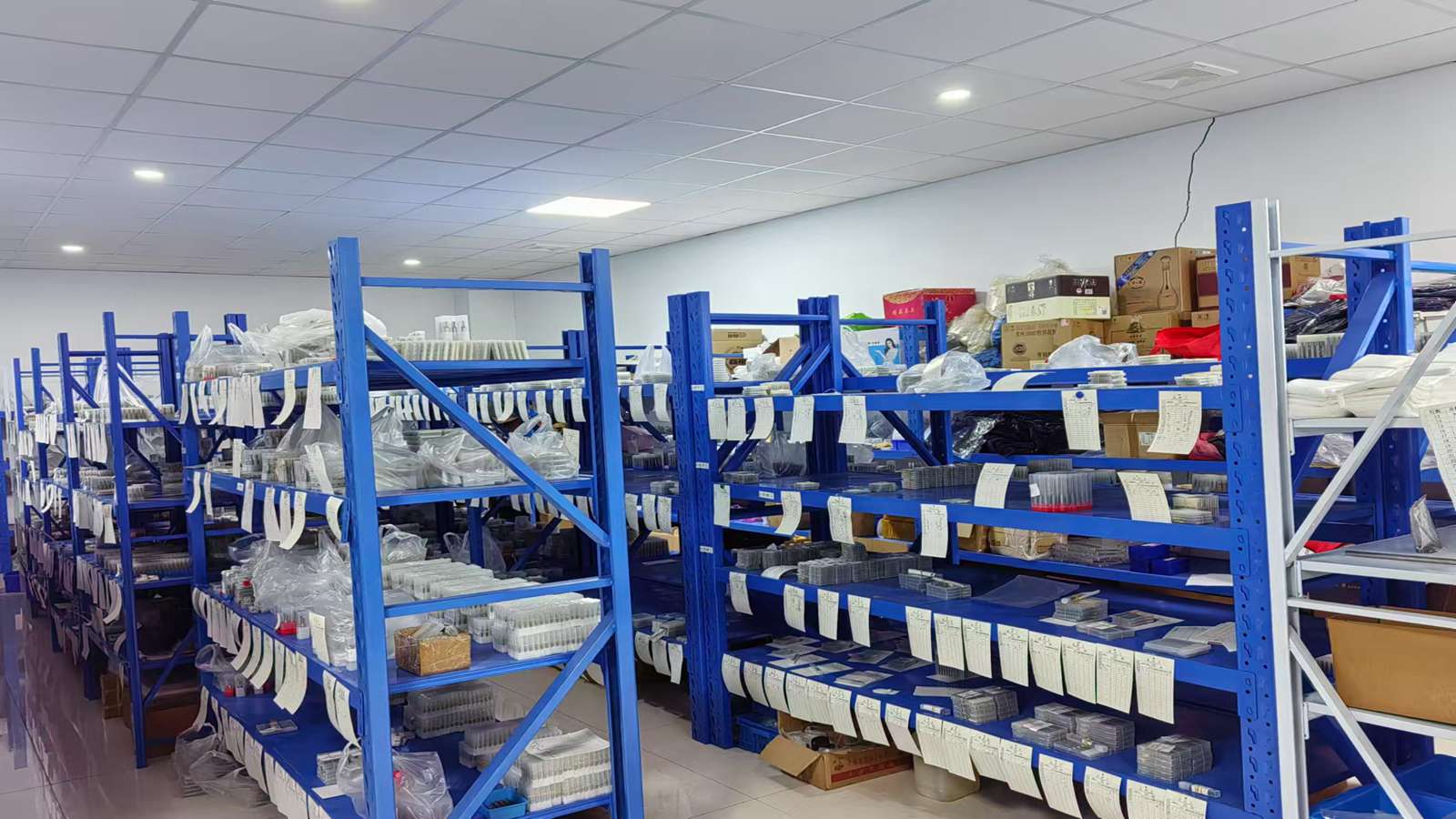
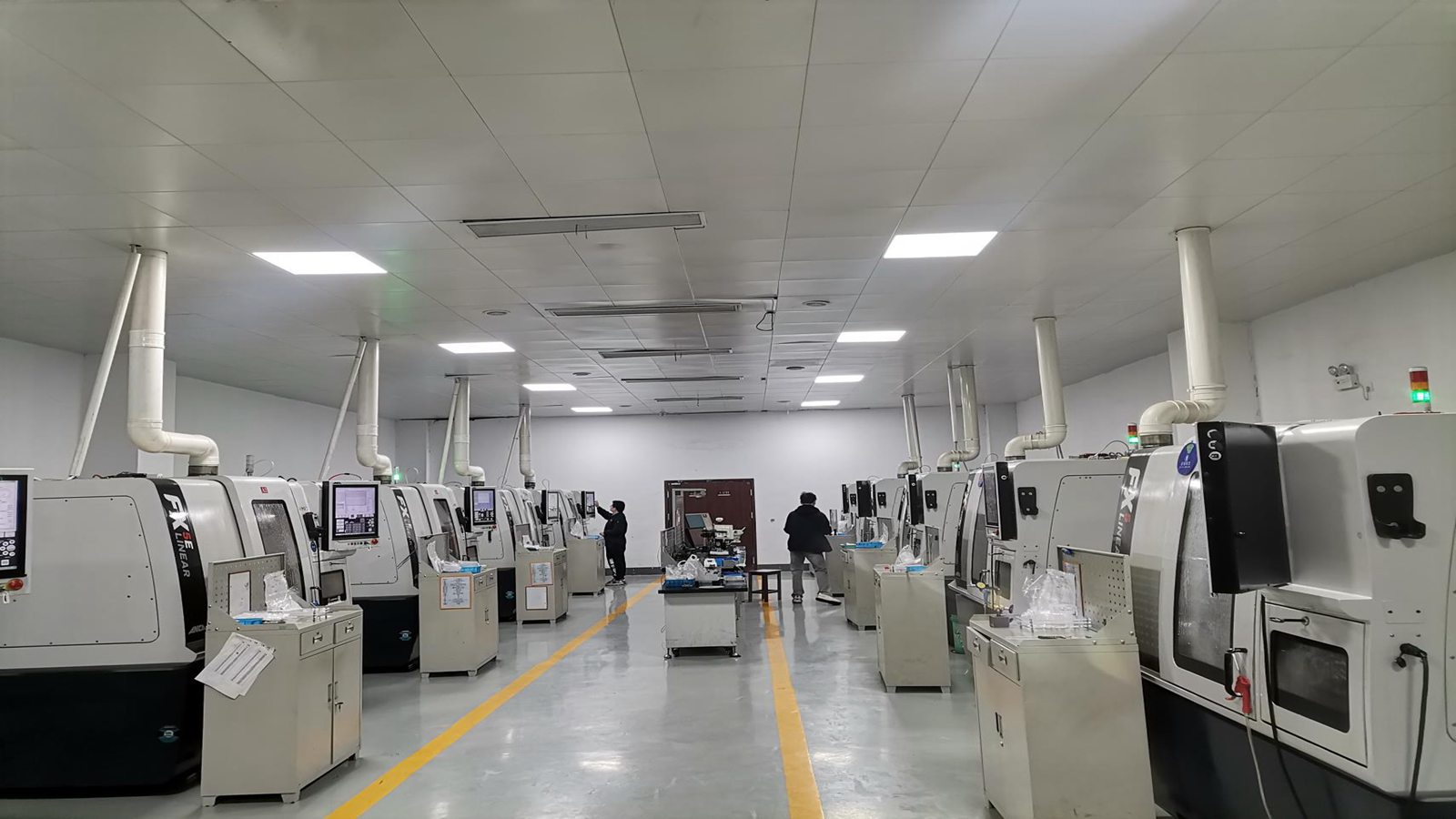
Key metric: Scalable modular systems up to 600mm machining diameters.An inside look at our advanced manufacturing units, rigorous quality assurance, and global logistics infrastructure.
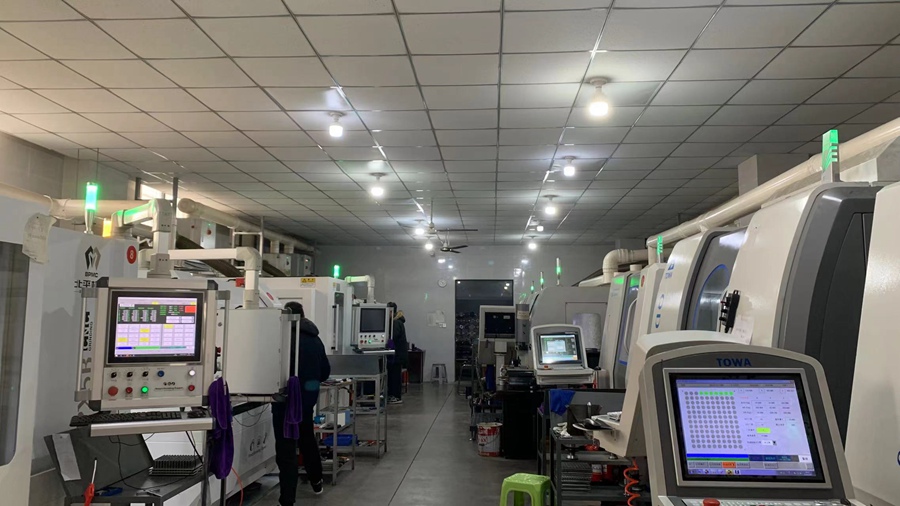
Shandong Ricon Tools Co., Ltd. is a professional manufacturer specializing in the research, development, production, and sales of precision machine tool accessories. Since our establishment, we have been committed to providing high-quality tooling solutions for the global metalworking and woodworking industries. Powered by an experienced technical team and a strict quality management system, every product is manufactured with high precision, excellent durability, and reliable performance to meet the demanding requirements of customers around the world.
Practical diagnostics and performance optimization techniques for machining operators and tooling managers.
Explore our full catalog of ISO9001-certified machine tool components, dynamic slotting systems, and rigid structural fixtures.