Ricon Tools
In the world of precision machining, the performance of machine tools directly impacts product quality. A common dilemma faced by machinists is, "Why is my lathe tool holder vibrating?" This issue can lead to dimensional inaccuracies and poor surface finishes. According to a report by the International Journal of Advanced Manufacturing Technology, vibrations can increase scrap rates by up to 15% in production settings.
Vibrations in tool holders can arise from various factors such as inadequate clamping, tool wear, or improper spindle alignment. Even minor imbalances in the tool holder's design can exacerbate these vibrations. A study by the American Society of Mechanical Engineers highlights that addressing these vibrations can improve machining efficiency by 20%. Knowing how to troubleshoot and resolve such issues is crucial for maintaining operational efficacy.
Common responses include tightening connections and regular inspection of tools. Yet, some machinists overlook these steps, leading to persistent challenges. The nuanced understanding of vibration dynamics remains an ongoing professional development need within the machining community. Addressing the question of vibrations is not just about fixing an issue; it's about enhancing the overall machining process.
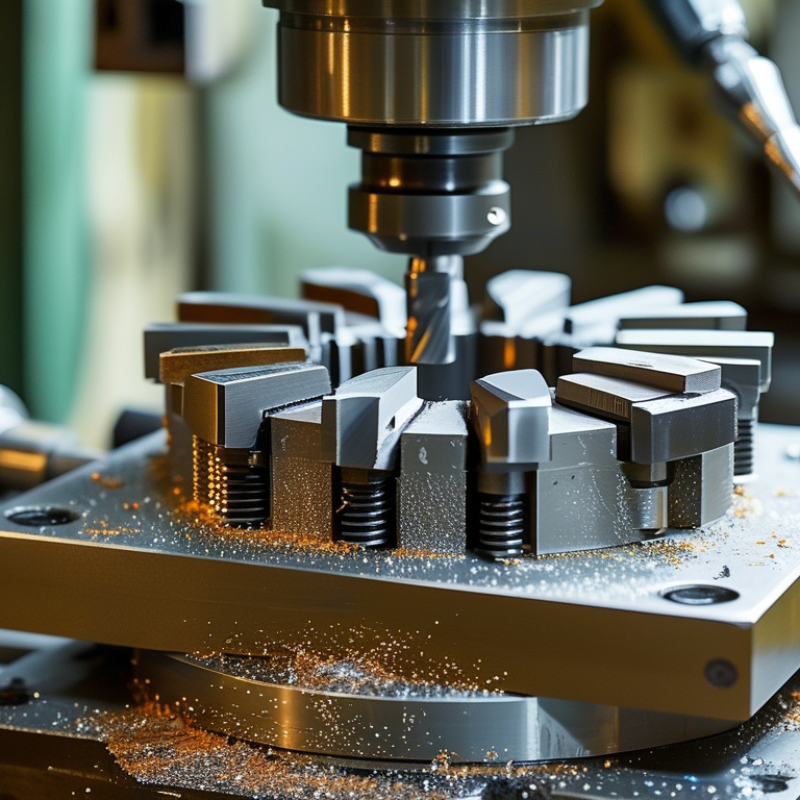
Lathe tool holder vibrations can stem from several common issues. One primary cause is poor alignment. If the tool holder isn't correctly aligned with the spindle, it can lead to significant vibrations during operation. Make sure to regularly check alignment to prevent excessive wear on both the tools and the machine.
Another contributing factor is the tool’s rigidity. A tool that lacks sufficient clamping pressure may shift during machining, introducing vibrations. It’s important to inspect the clamping mechanism and ensure it holds the tool securely. You might notice that even slight looseness can cause erratic vibrations.
Additionally, a worn or damaged tool can create imbalance. Regularly inspecting your tools for any signs of wear will help maintain balance and reduce vibrations. An overlooked dull edge can lead to more significant issues, affecting the overall machining quality. Maintaining tools in excellent condition is a reflection of good practice and ensures better reliability.
Tool holder alignment is critical for minimizing vibrations in lathe operations. A misaligned tool holder can lead to uneven cutting forces. This results in increased vibrations, which can affect both the quality of the workpiece and the longevity of the tool itself. Observing the tool holder during operation can reveal misalignment. Look for excessive movement or bouncing. This can be a clear sign that adjustment is needed.
To fix alignment issues, regularly check the mounting of your tool holder. Ensure it is securely attached. Use dial indicators to measure runout and ensure it meets manufacturer specifications. If the tool holder is not aligned, it can lead to tool wear and compromised workpiece finish. Adjustments may also require a recalibration of the lathe itself. Regular maintenance can prevent these issues and improve efficiency.
Keep in mind that not all vibrations are linked to alignment. Sometimes, the type of material being machined plays a role. For instance, harder materials may introduce different vibration patterns. Identifying the root cause of vibration requires experience and observation. For best results, remain diligent in your monitoring and alignment checks.
Lathe vibrations often stem from the tooling material and geometry. The material's density and rigidity influence stability during machining. Harder materials can lead to more vibrations if not matched properly with the workpiece. If the tool holder is too light or too flexible, it may amplify vibrations. Choosing the right material is crucial when aiming for precision.
Geometry plays an equally vital role. The cutting edge's angle can affect how forces interact during operation. A poorly designed angle may cause excessive chatter. The tool holder's length also matters. Longer holders can increase lever action, worsening vibration issues. Balancing stiffness and weight helps minimize these effects.
Experimenting with different materials and geometries can reveal ideal combinations. But this process requires trial and error. It’s essential to monitor vibrations closely while adjusting settings. Finding a balance between performance and vibration is often a complex task. Analyzing the causes will lead to practical solutions over time.
| Tool Holder Material | Vibration Frequency (Hz) | Vibration Amplitude (mm) | Geometry Type | Impact on Vibration |
|---|---|---|---|---|
| Carbon Steel | 120 | 0.15 | Standard | Moderate |
| High-Speed Steel | 150 | 0.10 | Tapered | Low |
| Cemented Carbide | 180 | 0.05 | Flat | Very Low |
| Aluminum Alloy | 130 | 0.20 | Irregular | High |
When operating a lathe, cutting speed and feed rate play crucial roles in tool holder stability. If these parameters are not set correctly, vibrations can worsen, leading to poor machining results. Optimizing cutting speed is essential. High speeds can generate excessive heat and lead to tool wear. Conversely, too slow speeds may not provide adequate chip removal. Finding the right balance is key.
Feed rate also directly impacts stability. A feed rate that is too high can cause chattering, resulting in uneven finishes. On the other hand, a feed rate that is too low might increase cutting time and strain the tool. It’s vital to experiment within the recommended ranges for your material and tool setup. By monitoring these variables closely, you can reduce vibrations and improve tool performance.
Regularly reviewing your lathe setup is crucial. Check if the tool holder is secure and aligned properly. Even slight misalignment can lead to vibrations. Consistent adjustments and calculations based on your specific requirements are essential. This approach will help in achieving a smoother machining process while prolonging tool life.
Lathe tool holder vibration can severely affect machining quality and tool life. Research indicates that excessive vibration may reduce tool life by up to 50%. Understanding and addressing this issue is essential for optimal performance.
To reduce vibration, one effective technique is proper alignment. Ensure that the tool holder is firmly clamped and correctly aligned with the spindle. Misalignment can create significant vibrations. Additionally, choose the right tool type and size for your specific application. Smaller tools may vibrate more than larger ones, especially in tough materials.
**Tip:** Regularly check the tool holder for wear. Worn components can increase vibration levels.
Another factor to consider is the cutting parameters. High feed rates and depths can lead to instability. Adjusting these settings can minimize vibrations. Moreover, using dampened tools designed to absorb vibrations can prove beneficial.
**Tip:** Experiment with different speeds to find the optimal setting for your material.
Balancing the tool holder and workpiece is also crucial. Unbalanced setups can aggravate vibration issues and lead to poor finishes. Implementing these best practices may significantly enhance machining efficiency and reduce tool wear, but be aware that vibrations can still occur, requiring ongoing adjustments.
**Tip:** Monitor vibrations consistently during machining to catch issues early.
: Common causes include poor alignment and insufficient tool rigidity.
If aligned incorrectly, it leads to excessive vibrations and wear on tools and machines.
Inadequate clamping pressure causes tools to shift, introducing vibrations during machining.
Regularly inspect tools for wear and ensure sharpness for better stability.
Excessive speeds generate heat, leading to tool wear and poor machining results.
Yes, a low feed rate increases cutting time and can strain tools, causing vibrations.
A high feed rate can cause chattering, while a low rate may not remove chips effectively.
Ensure the tool holder is secure and correctly aligned to prevent vibrations.
Finding the right speed reduces vibrations and improves overall machining efficiency.
Continuous adjustments based on specific needs promote smoother operations and tool longevity.
When troubleshooting the issue of "why is my lathe tool holder vibrating," it’s essential to understand the common causes of lathe tool holder vibrations. Factors such as misalignment, inadequate tooling material, and improper geometry can significantly affect vibration levels. Moreover, the cutting speed and feed rate play crucial roles in maintaining tool holder stability.
To address these challenges, implement best practices like ensuring proper tool holder alignment and selecting appropriate tooling materials. Regularly monitoring and adjusting cutting speeds and feed rates can also help minimize vibrations, enhancing the overall performance and precision of your lathe operations. By adhering to these techniques, operators can effectively reduce vibrations and improve the quality of their machining tasks.
