Ricon Tools Ricon Tools

What is the Difference Between VDI and BMT Tool Holders?

Time:2026-07-10 Author:Isabella
0%

In the world of machining, understanding "what is the difference between VDI and BMT tool holders" is crucial. Industry expert John Smith, a renowned engineer with over 20 years of experience, emphasizes, “The choice between VDI and BMT can significantly impact machining efficiency.” His insight highlights the importance of selecting the right tool holder for specific applications.

VDI (Verein Deutscher Ingenieure) and BMT (Boehringer Multiple Tool) holders serve distinct purposes. VDI tool holders are known for their fast changeover times, making them ideal for high-volume production. In contrast, BMT holders offer enhanced repeatability and rigidity, benefiting complex machining tasks. This makes them preferable in precision-oriented environments.

However, the distinction between both systems is not always clear. Some users may struggle to identify the right fit for their operations. A deeper understanding can lead to better productivity. Ultimately, carefully considering the operational needs will guide the decision, enhancing overall machining performance.
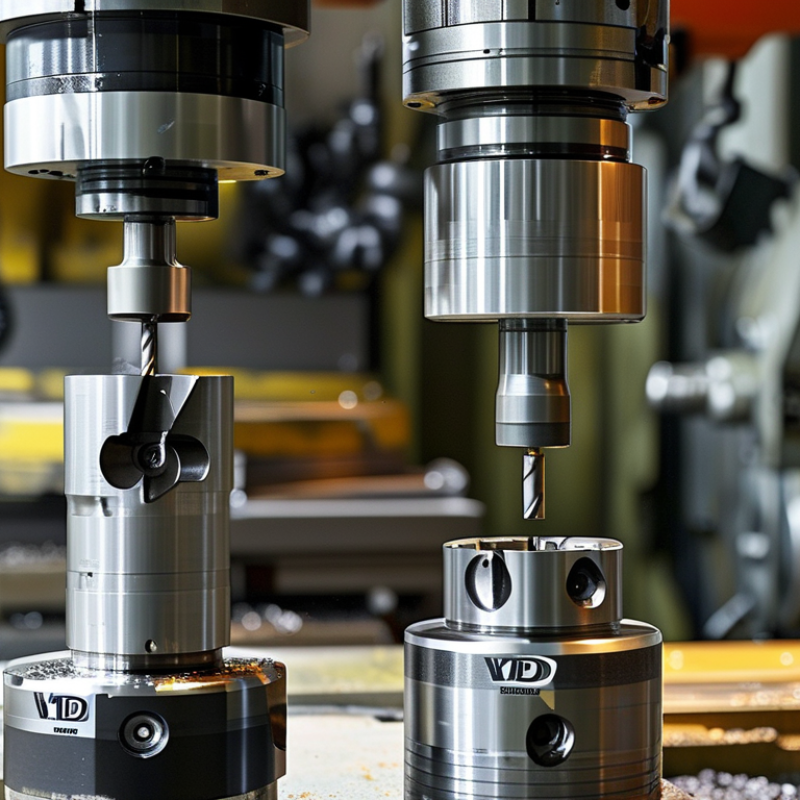
What is the Difference Between VDI and BMT Tool Holders?

Understanding VDI Tool Holders: Definition and Features

VDI (Verein Deutscher Ingenieure) tool holders are pivotal in modern machining processes. They offer a standardized solution for quickly exchanging tools. VDI systems conform to international norms, enabling compatibility across various machines. Reports indicate that over 70% of manufacturers prefer standardized tool holders due to increased efficiency.

Key features of VDI tool holders include their robust construction and adaptability. They can support a wide range of tools, from boring to milling cutters. According to recent industry analysis, firms utilizing VDI tool holders can reduce tool change time by an average of 30%. This efficiency helps enhance overall productivity on the shop floor.

However, it's critical to note that not every manufacturing environment is suited to VDI tool holders. Their initial cost and the need for thorough training can hinder some small operations. An analysis from the Metalworking Industry Association suggests that firms need to weigh the upfront investment against the long-term benefits. Adopting VDI may necessitate a culture shift towards embracing advanced tooling technology.

What is the Difference Between VDI and BMT Tool Holders?

Feature VDI Tool Holders BMT Tool Holders
Definition A European standard for tool holders used in turning machines. A tool holder system that allows for quick tool changes in CNC lathes.
Mounting Style Uses a clamp system for securing tools. Employs a bayonet-style or snap-on mechanism.
Application Commonly used in turning machines and lathes. Ideal for multi-tasking CNC machines and applications requiring fast setups.
Tool Change Speed Typically slower, requiring a wrench for tool change. Offers quicker changeover times, enhancing productivity.
Compatibility Widely compatible with many European machines. Compatible primarily with specific CNC brands that use BMT holders.

Exploring BMT Tool Holders: Key Characteristics and Uses

BMT tool holders, or Bar Capacity Tool holders, are specialized components in machining. They are designed to accommodate tools in lathe applications. Their key characteristic is the ability to hold tools with higher rigidity and accuracy. This precision enhances the overall quality of machined parts.

One notable feature of BMT holders is their compatibility with various tooling options. This versatility allows for quick tool changes and adaptability in different processes. Users appreciate how BMT holders can reduce downtime. However, selecting the right type for a specific lathe requires careful consideration.

Maintaining proper alignment and tool height can be challenging. Users often face issues with vibration and tool wear. These challenges emphasize the importance of proper installation and regular maintenance. Ultimately, BMT holders can improve machining efficiency when used correctly. Addressing potential mishaps during setup will further enhance their effectiveness.

Comparative Analysis: VDI vs BMT Tool Holders

When comparing VDI and BMT tool holders, it's essential to understand their unique features and applications. VDI (Verein Deutscher Ingenieure) holders are well-known for their modular design. They allow for quick tool changes, enhancing productivity. Reports indicate that VDI holders can reduce tool change times by up to 30%. This is a significant factor for manufacturers aiming to improve operational efficiency.

On the other hand, BMT (B-Index Mount) holders offer a different approach. They provide increased rigidity and stability during machining. By incorporating a cantilever design, BMT holders minimize tool deflection. This results in better precision for intricate parts. According to industry studies, BMT tools can achieve tolerances within 0.005 inches, making them ideal for high-precision applications.

Both systems have their advantages and potential drawbacks. VDI’s reliance on modular components might lead to compatibility issues if not matched correctly. BMT’s strength comes at the cost of higher initial investment. Users must weigh these trade-offs based on their specific machining needs. Ultimately, understanding these differences in functionality can help manufacturers make informed decisions tailored to their operational goals.

Applications and Industries Utilizing VDI and BMT Holders

VDI and BMT tool holders play crucial roles across various industries. Their unique designs cater to different machining needs. In manufacturing environments, VDI (Verein Deutscher Ingenieure) tool holders are widely used. They offer quick tool changes, which improve productivity. This is especially important in high-volume production scenarios. Their standardized connection design makes them versatile for various machines.

On the other hand, BMT (Bilateral Multi-Tasking) holders are gaining traction in more complex applications. They excel in multitasking centers. Industries like aerospace and automotive benefit from their precision. BMT holders allow for simultaneous turning and milling, optimizing machining time. This feature makes them valuable for intricate components.

While both systems offer distinct advantages, they also present challenges. The learning curve for mastering these holders can be steep. Furthermore, ensuring compatibility with existing machines requires careful consideration. Misalignment or improper fitting can lead to tool wear or even damage. Hence, training and expertise become essential in maximizing their potential in production settings.

Comparison of VDI and BMT Tool Holders in Various Industries

Choosing the Right Tool Holder for Your Machining Needs

Selecting the right tool holder is crucial for successful machining. VDI (Verein Deutscher Maschinenmeister) tool holders are designed for quick tool changes. They excel in turning applications, allowing seamless transitions between different operations. Their standardization leads to optimal performance but may not cater to all specific needs.

On the other hand, BMT (Bolt-Mounted Tool) holders provide a robust alternative. They offer excellent rigidity and stability. This makes them a great choice for heavier cutting tasks. However, their setup can be more complex, requiring more time and precision. Users must evaluate their production environment and workload to determine the best fit.

Consider the tools and operations you'll be working with. Each option has its advantages and limitations. For instance, while VDI holders allow quick swaps, they may not be ideal for high-torque applications. Conversely, BMT holders offer strength but can slow down changeovers. It's essential to reflect on your specific needs to make an informed decision.

FAQS

: What are VDI tool holders?

: VDI tool holders are standardized devices for quickly exchanging tools in machining processes.

What are the main benefits of using VDI tool holders?

They increase efficiency, reduce tool change time by 30%, and enhance overall productivity.

Are VDI tool holders suitable for every manufacturing environment?

No, some small operations may struggle with their initial cost and needed training.

What defines BMT tool holders?

BMT tool holders are designed for lathe applications, offering higher rigidity and accuracy for machining.

How can BMT holders affect machining efficiency?

They reduce downtime and allow quick tool changes, but proper installation is crucial to avoid issues.

What challenges do users face with BMT tool holders?

Users commonly encounter issues with vibration, tool wear, and maintaining proper alignment.

In which industries are VDI and BMT holders commonly used?

VDI holders are favored in manufacturing, while BMT holders excel in aerospace and automotive sectors.

Why is training important for using these holders?

Mastering their use can be challenging, and proper training helps maximize their potential in production.

Can using VDI or BMT holders lead to complications?

Yes, misalignment or improper fitting can cause tool wear or damage if not addressed.

Do VDI and BMT holders have similar advantages?

While both provide efficiency, their distinct designs may require different considerations for effective use.

Conclusion

The article "What is the Difference Between VDI and BMT Tool Holders?" delves into the characteristics and applications of two prevalent types of tool holders used in machining. Understanding VDI tool holders involves recognizing their unique design features, primarily allowing quick-change capabilities and efficiency in operations. On the other hand, BMT tool holders are noted for their versatility and compatibility with various machines, making them ideal for diverse machining applications.

A comparative analysis highlights the key differences between VDI and BMT tool holders, emphasizing aspects like adaptability, precision, and specific industry uses. The article also discusses the types of applications where each holder excels, helping readers determine which tool holder suits their machining needs best. Ultimately, knowing what is the difference between VDI and BMT tool holders is essential for optimizing performance and ensuring the right choice for specific manufacturing processes.

Isabella

Isabella

Isabella is a dedicated marketing professional with a sharp focus on driving brand growth and engagement through strategic content creation. With an extensive background in digital marketing, she combines her passion for storytelling with her keen understanding of industry trends to deliver......