Ricon Tools Ricon Tools

China Best Tips for Maintaining and Cleaning CNC Tool Holders?

Time:2026-07-30 Author:Aria
0%

Maintaining and cleaning CNC tool holders is crucial for optimal machining operations. According to Dr. Richard Lin, a leading expert in manufacturing technology, “Regular maintenance ensures longevity and precision in CNC tools.” His insight highlights the importance of a thorough understanding of how to maintain and clean CNC tool holders.

These tools endure intense wear and tear. They require careful attention to detail. Neglecting their upkeep can lead to compromised performance. Tool holders gather dust, chips, and coolant residue which affects their functionality. A clean tool holder improves tool life and part accuracy. It’s not just about cleanliness; it’s about precision.

Effective maintenance involves specific techniques. Using the right cleaning agents is essential. Experts recommend using mild solutions to avoid corrosion. Inspect each tool holder for damage regularly. Address any issues immediately. This approach necessitates reflection on practices. Are we doing enough to ensure our tools’ reliability? Embracing these strategies is vital for sustained productivity in CNC machining.
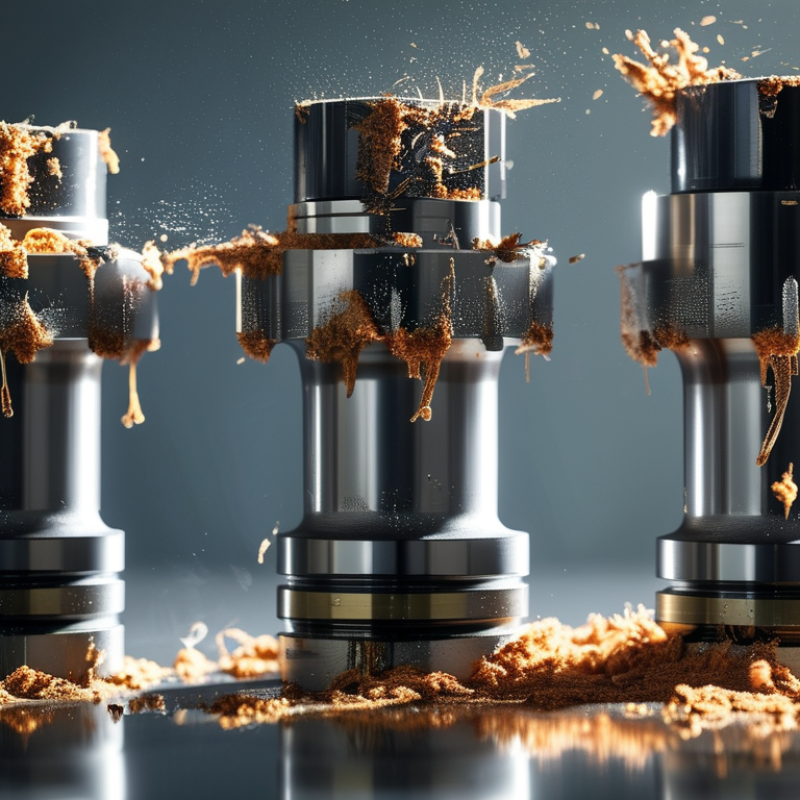
China Best Tips for Maintaining and Cleaning CNC Tool Holders?

Understanding the Importance of CNC Tool Holder Maintenance

CNC tool holders are critical components in machining. They hold tools securely and ensure precision. Maintaining these holders is essential for optimal performance. A well-maintained tool holder can lead to accurate cuts and a longer lifespan for both the holder and the tools.

Regular cleaning is a key part of maintenance. Swarf, dirt, and oil can accumulate in the holder. This build-up can affect tool performance. A simple cleaning routine using appropriate solvents can help. However, not every cleaning method is suitable. Sometimes, strong chemicals can damage the finishes. Using a soft brush or cloth is often a better option.

Inspection is just as important as cleaning. Look for signs of wear, such as nicks or cracks. These imperfections can lead to tool failure. Even if a holder looks fine, it may still have hidden issues. Regularly checking the tool holders can prevent unexpected downtime in production. Remember that neglecting maintenance might save time now, but it can cause bigger problems later.

Essential Tools and Materials for Cleaning CNC Tool Holders

Cleaning CNC tool holders requires the right tools and materials. Essential items include a soft brush, lint-free cloth, and a cleaning solvent. A soft brush helps to remove chips and debris without scratching the holder's surfaces. Thorough cleaning prevents wear and prolongs tool life.

When choosing a cleaning solvent, consider using biodegradable options. They are effective and safer for the environment. It's important to ensure the solvent is compatible with the materials of the tool holders. After applying the solvent, wipe with a lint-free cloth. This prevents lint from sticking to the holders.

Regular maintenance is crucial. Sometimes, it’s easy to overlook small signs of wear. Small scratches can develop into bigger issues if not addressed. Being meticulous about cleaning ensures that tool holders remain in optimal condition. Reflecting on your cleaning routine can prevent potential problems down the line.

China Best Tips for Maintaining and Cleaning CNC Tool Holders

This bar chart illustrates the recommended maintenance frequency for CNC tool holders in China. Regular inspection and daily cleaning are emphasized as key practices for ensuring the longevity and performance of these essential tools.

Step-by-Step Guide to Disassembling CNC Tool Holders

Disassembling CNC tool holders can seem daunting, but it is a crucial task for any machinist. Begin by wearing safety gloves and goggles to protect yourself. Ensure the machine is turned off and has completely cooled down. Use a wrench to carefully loosen the screws or bolts securing the tool holder in place. Remember to keep all small parts organized in a container for easy reassembly later.

Once the holder is loose, gently pull it from the spindle. Inspect the holder closely for any wear or debris. Cleaning the internal parts is essential. Use a soft brush and a cleaning solvent to remove any chips or dust accumulated inside. For stubborn spots, a cloth may be necessary, but avoid abrasive materials.

After cleaning, visually check for any damage, such as cracks or wear on the surface, which could affect performance in the future. This process not only ensures longevity but also promotes better machining results.

Effective Cleaning Techniques for CNC Tool Holders

CNC tool holders are crucial for precision machining. Proper maintenance and cleaning ensure their longevity and performance. According to industry reports, regular cleaning can improve tool holder life by up to 20%. Using effective cleaning techniques helps avoid costly downtime and repairs.

One effective method is ultrasonic cleaning. This technique uses high-frequency soundwaves to remove dirt and debris. It can reach intricate areas that are hard to clean by hand. When combined with suitable cleaning solutions, ultrasonic cleaning can enhance the results significantly.

Tip: Always inspect the tool holders after cleaning. Look for any signs of wear or damage. A small issue can lead to bigger problems if unnoticed. Another useful technique is manual scrubbing with a soft brush. It helps dislodge stubborn residues without damaging the surface.

Remember, cleanliness affects performance. A clean tool holder maintains accuracy and produces better workpieces. It is essential to establish a routine cleaning schedule to keep your CNC tools in peak condition. Regular maintenance saves resources and time in the long run.

Best Practices for Storing and Handling CNC Tool Holders

Proper storage and handling of CNC tool holders is crucial for maintaining their longevity and performance. Tool holders should be kept in a clean, dry environment. Humidity can lead to rust, which compromises tool integrity. Store them in designated containers or racks to prevent physical damage. Using protective covers can further shield against dust and moisture.

When handling tool holders, ensure your hands are clean and dry. Oils from fingers can affect the grip during machining. Always lift tool holders by their shanks, avoiding contact with the cutting edges. Regularly inspect them for wear and damage. A damaged holder can lead to inaccurate machining and additional costs. Categorizing holders based on size and type can streamline access and reduce the risk of mix-ups. Reflecting on storage habits can reveal areas for improvement, enhancing both safety and efficiency.

China Best Tips for Maintaining and Cleaning CNC Tool Holders

Tip Description Frequency Recommended Tools
Regular Cleaning Clean the tool holder after each use to prevent build-up of debris and coolant. After Each Use Brush, Rags, Solvent
Inspect for Damage Check for signs of wear or damage on tool holders to ensure precision. Weekly Visual Inspection Tools
Proper Storage Store tool holders in a designated, dry area to avoid corrosion. Monthly Tool Boxes, Racks
Lubrication Apply appropriate lubricant to threads and gages to maintain functionality. Every 5 Uses Lubricant, Grease
Use of Protective Caps Always cover tool holders with protective caps when not in use. Always Protective Caps

FAQS

: What tools are needed for cleaning CNC tool holders?

: Essential tools include a soft brush, lint-free cloth, and a suitable cleaning solvent.

Why is it important to use a soft brush?

A soft brush removes chips and debris gently, preventing scratches on the holder's surface.

What type of cleaning solvent should I choose?

Opt for biodegradable cleaning solvents that are effective and environmentally safe.

How should I apply the cleaning solvent?

Apply the solvent and then wipe with a lint-free cloth to avoid lint buildup.

Why is regular maintenance necessary for tool holders?

Regular maintenance helps to identify small signs of wear before they become bigger issues.

How should CNC tool holders be stored?

Store them in a clean, dry environment, ideally in designated containers or racks.

What is a critical aspect of handling tool holders?

Always keep your hands clean and dry to avoid transferring oils that affect grip.

How can I prevent damage to tool holders?

Lift holders by their shanks and avoid contact with cutting edges during handling.

What can categorizing tool holders help with?

It helps streamline access and reduces risks of mix-ups during storage.

What should I reflect on regarding my cleaning and storage habits?

Regular reflection can highlight areas needing improvement for better efficiency and safety.

Conclusion

Maintaining and cleaning CNC tool holders is crucial for ensuring precision and longevity in machining operations. Understanding the importance of regular maintenance can prevent performance issues and extend the life of the tool holders. Essential tools and materials, such as cleaning brushes and lubricants, should be readily available to facilitate the cleaning process.

To effectively maintain and clean CNC tool holders, a step-by-step approach is recommended. This includes disassembling the tool holders carefully, employing effective cleaning techniques, and ensuring all residues are removed. Additionally, following best practices for storing and handling tool holders can significantly reduce the risk of damage and contamination. By prioritizing these practices, operators can enhance tool performance and reliability, demonstrating the importance of knowing how to maintain and clean CNC tool holders effectively.

Aria

Aria

Aria is a dedicated marketing professional with a deep passion for innovative strategies and a keen understanding of our company's product offerings. With a wealth of experience in the industry, Aria excels at crafting engaging content that highlights the unique features and benefits of our......