Ricon Tools Ricon Tools

2026 Best Ways to Choose the Right Boring Head for Milling?

Time:2026-07-03 Author:Sophia
0%

Choosing the right boring head for milling can significantly impact your machining results. According to John Smith, a renowned expert in precision machining, "The choice of boring head can make or break your project." This statement emphasizes the importance of understanding how to choose the right boring head for milling effectively.

Many factors influence this decision. Compatibility with your milling machine is crucial. You must also consider the size and type of the insert. Sometimes, it's easy to overlook the quality and materials used in the boring head itself. Each aspect plays a role in achieving precise measurements and good surface finishes.

Yet, this process is not without its challenges. Even experienced machinists face difficulties in making the right choice. A wrong selection can lead to wasted materials and time. Reflecting on mistakes and learning from them is essential. The right tools can drive improvement and efficiency in your work.
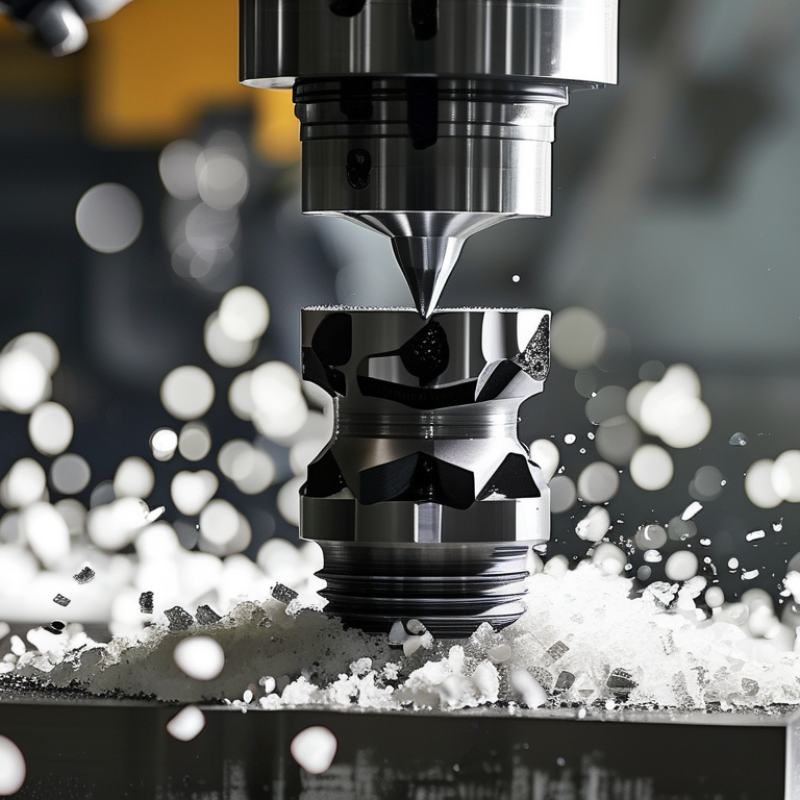
2026 Best Ways to Choose the Right Boring Head for Milling?

Understanding the Function of Boring Heads in Milling Operations

Boring heads are essential tools in milling operations. They enable precision adjustments to achieve the desired hole size and finish. Proper understanding of their function can significantly influence machining accuracy. Boring heads allow for incremental alterations, which is crucial when it comes to achieving tight tolerances.

When selecting a boring head, consider the type of workpiece and anticipated cutting depth. The choice between adjustable and fixed boring heads can impact the flexibility of your project. Adjustable heads provide versatility for various tasks, yet they may require more practice to set correctly.

Inadequate knowledge about boring head technology may lead to inefficiencies. An operator might underestimate the importance of tool stability and alignment. This can create challenges, like poor surface finish or dimensional inaccuracies.

Continuous learning and hands-on experience are vital for mastering the use of boring heads. Take time to reflect on mistakes made during machining processes to improve future efforts.

Key Factors to Consider When Selecting a Boring Head

Selecting the right boring head for milling is crucial for precision and efficiency. Several key factors should be considered to make an informed decision. The size and type of the boring head play a vital role in matching it with the milling machine. A properly sized head ensures stability during operation and enhances accuracy.

Another important aspect is the material of the boring head. High-speed steel and carbide are common choices. Each material offers different levels of durability and cutting performance. This choice can significantly affect the overall machining process and the lifespan of the tool.

Adjustability is also a key feature. A boring head that allows for fine adjustments provides greater control over the cutting depth. This can lead to improved surface finish and required tolerances. It’s essential to reflect on how often adjustments are needed in your specific applications. Not all jobs require intricate adjustments, but when they do, a reliable boring head can make all the difference.

Types of Boring Heads and Their Applications in Milling

When it comes to milling, selecting the right boring head is crucial. Boring heads come in various types, each suited for different applications. A standard boring head can handle general tasks, offering good flexibility. However, special designs like micro-boring heads focus on precision work. These are ideal for small-diameter holes and tight tolerances.

The application of each type matters. Universal boring heads allow for easy adjustments and are versatile in multiple milling environments. On the other hand, fixed boring heads provide greater stability but lack the same level of adjustability. If a job requires frequent changes, a universal head might be the better choice.

Choosing the wrong boring head can lead to inefficiencies. It’s important to reflect on the specific needs of a project. Will you need precision, or are broad adjustments more critical? Take time to assess the material you are working with. Different materials respond differently to varied cutting tools. Inadequate understanding can result in poor outcomes, so thorough research is essential.

2026 Best Ways to Choose the Right Boring Head for Milling

Boring Head Type Application Recommended Usage Advantages Disadvantages
Standard Boring Head General machining Suitable for medium workpieces Versatile, easy to set up Limited precision
Micro Boring Head High precision work Use on small components High accuracy, fine adjustments Requires skilled handling
T-Slot Boring Head Slot machining Ideal for T-slots in workpieces Specifically designed for T-slots Limited to specific applications
Universal Boring Head Complex shapes and sizes Flexible for various tasks Highly adaptable to different projects May require more time to adjust
CNC Boring Head Automated machining Best for mass production High efficiency, repeatability Initial setup can be complex

Compatibility with Milling Machines and Tools

Choosing the right boring head for milling is crucial for efficiency. Compatibility with milling machines and tools is a major factor. According to a report by the International Journal of Advanced Manufacturing Technology, nearly 30% of production downtime is caused by tool incompatibility. Selecting the right boring head can greatly reduce this downtime.

When considering compatibility, check the specifications of both your milling machine and the boring head. Ensure that the shank sizes align. A mismatch can lead to reduced performance and costly errors. Tools with a higher rigidity and better stability can offer improved precision. Also, consider the cutting materials used in the boring head. Different materials have varying impacts on the quality of the final product.

Tips: Always consult your machine's manual. This can help clarify compatibility. Test multiple boring heads to see which one works best with your machine. Remember, not all boring heads perform equally well across different machines. Keeping a versatile inventory can help prepare you for different tasks while minimizing compatibility issues.

2026 Best Ways to Choose the Right Boring Head for Milling

This chart illustrates the compatibility scores of various boring heads with milling machines and tools, helping you understand the best options available.

Maintenance Tips for Optimal Performance of Boring Heads

When it comes to maintaining boring heads for milling, an understanding of proper care can significantly impact their performance. Regular checks on tool wear can lead to better precision in machining. Studies indicate that worn tools can reduce accuracy by up to 25%. This makes maintenance not just a task, but a vital aspect of machining operations.

For optimal performance, ensure that your boring head is regularly cleaned. Dust and debris can cause imperfections in the bore, leading to inefficiencies. Use a soft brush to remove residues and avoid harsh chemicals that could damage the tool. Check the tool alignment frequently as misalignment can contribute to rapid wear.

Tips: Always lubricate your boring head before use. A good lubricant can reduce friction and extend the tool's lifespan. Additionally, consider the material of your workpieces. Some materials are harsher on the tools than others, leading to increased wear. Monitoring these factors can help you get the most out of your boring heads.

FAQS

: How does tool compatibility affect production downtime?

: Nearly 30% of production downtime is due to tool incompatibility. This significantly impacts efficiency.

What should I check for compatibility between tools?

Always verify the specifications of the milling machine and boring head, especially shank sizes.

Why is tool maintenance important?

Regular maintenance prevents wear, which can reduce machining accuracy by up to 25%.

How often should I clean my boring head?

Clean your boring head regularly to remove dust and debris that can cause inefficiencies.

What is the best way to clean a boring head?

Use a soft brush to remove residues. Avoid harsh chemicals that could damage the tool.

How can I extend the lifespan of my boring head?

Always lubricate the tool before use to reduce friction and wear.

Can all boring heads work well with different machines?

No, not all boring heads perform equally well across different machines. Compatibility varies.

What should I do if my tool alignment is off?

Check alignment frequently, as misalignment can lead to rapid wear and decreased performance.

What materials should I consider for my workpieces?

Choose workpiece materials wisely, as some can be harsher on the tools, increasing wear.

How can I prepare for different machining tasks?

Maintain a versatile inventory of boring heads to minimize compatibility issues on various tasks.

Conclusion

In the realm of milling operations, understanding how to choose the right boring head for milling is essential for achieving precision and efficiency. Boring heads function by enlarging holes to specified diameters, allowing for greater accuracy in machining tasks. When selecting a boring head, key factors such as the type of material being machined, desired hole size, and the specific application must be considered.

There are various types of boring heads available, each suited to different milling tasks. It's also crucial to ensure compatibility with your milling machines and tools to maximize performance. Regular maintenance is vital for optimal performance, as it helps in prolonging the life of boring heads and maintaining their accuracy. By following these guidelines, you can make an informed decision that enhances your milling operations.

Sophia

Sophia

Sophia is a dedicated marketing professional with an exceptional depth of knowledge about her company's products and services. With a keen understanding of market trends and customer needs, she crafts insightful blog posts that not only inform but also engage readers, enriching the company’s online......